
 Risk of severe infection

- Genetic factors (disposition) are involved in the risk of severe infectionThe strength of the immune response varies depending on the genotype of the DNA region rs9542155.
- CC type genotypePeople with the virus have suppressed HLA antigens, which prevents activation of immune cells, making them more susceptible to infections and becoming more serious.
- appropriateNutritional management, adequate sleep, and infection prevention measuresIt is possible to enhance immune function and reduce the risk of severe illness.
Overview Although there are many infectious diseases, the susceptibility to them varies from person to person. Some people never get it, while others get it every year. Therefore, many people may be wondering whether they are the type that is susceptible to infectious diseases. Infectious disease is a general term for diseases in which pathogens invade the body and cause various symptoms, including colds, pneumonia, hepatitis B, pharyngitis, and measles. Infectious diseases are also the second leading cause of death worldwide. Surprisingly, genetic factors (constitution) are said to be involved in susceptibility (reference link 1). So, why not take a genetic test to find out if you are predisposed to infectious diseases? 2. Rationale Information about viruses and bacteria that have invaded the body is transmitted via white blood cells to T cells and B cells, which are the executive forces of immunity. One of the genes that plays an important role in this information transmission is a gene called ``KLHL1 (Kelch Like Family Member 1)'' located on chromosome 13, and one of the various gene types that belong to this gene is a DNA region called ``rs9542155.'' This DNA region was discovered through an analysis of genetic polymorphisms in more than 200,000 people of European descent, and was found to be polymorphic in relation to tonsillitis associated with infectious diseases. (Reference link 2) The DNA region "rs9542155" has three genotypes: "TT type", "TC type", and "CC type". The genotypes of Japanese people are 32.5% TT type, 49.0% TC type, and 18.5% CC type (Reference link 3). In TC and CC types, the antigen-presenting function of white blood cells is suppressed, weakening the immune response to pathogens. In addition, it has been found that in people with the CC type, which is the least common type among Japanese people, the immune response is strongly suppressed, making them more susceptible to infections and more likely to become seriously ill or develop other illnesses (Reference links 2 and 3). 3. Mechanism of action White blood cells play the role of taking in pathogens that have entered the body and transmitting information to "T cells" and "B cells", which are the executive forces of immunity. HLA (human leukocyte antigen) plays an important role in this information transmission. HLA is expressed on the cell surface and provides the information necessary to recognize pathogens. T cells and other cells then read information from HLA and recognize the pathogen, causing an immune response (Reference link 4). KLHL1 is an important protein for the formation of the cytoskeleton and is also involved in the antigen-presenting function of leukocytes. When the DNA region "rs9542155" becomes the "TC type" or "CC type" type, the structure of the HLA antigen becomes suppressive (reference links 2 and 5), which prevents activation of immune cells and makes the patient more susceptible to infectious diseases. Therefore, it is important for people with the TC type or CC type in the DNA region rs9542155 to improve their immune function by eating a nutritionally balanced diet and getting enough sleep.
What is the risk of severe infection?
The risk of severe infection refers to the fact that the strength of the immune response when a pathogen invades the body varies from person to person, and that some people are more susceptible to infection and more likely to develop severe disease.Infectious disease is a general term for diseases caused by pathogens that invade the body, and includes colds, pneumonia, hepatitis B, pharyngitis, measles, etc. Infectious diseases are the second most reported cause of death worldwide (1).
Causes and mechanisms of risk of aggravation of infectious diseases
The following factors affect your susceptibility to infection:
- Genetic factors (disposition):The genotype of the DNA region rs9542155 influences the structure of the HLA antigen and influences the strength of the immune response.
- Antigen presenting function of leukocytes:The process by which white blood cells take in pathogens and transmit information to T cells and B cells differs depending on genotype.
- Structure of HLA (human leukocyte antigen):In TC and CC types, HLA antigens become suppressive, preventing activation of immune cells (2, 5)
- Lifestyle:Nutritional balance, sleep quality, and exercise habits affect immune function
Immune mechanisms related to the risk of aggravation of infectious diseases
White blood cells have the role of taking in pathogens that have entered the body and transmitting information to T cells and B cells, which are the executive forces of immunity.is in charge of HLA (human leukocyte antigen) is essential for this information transmission (4).
- HLA is expressed on the cell surface and provides information necessary for pathogen recognition
- An immune response is initiated by T cells reading information from HLA.
- KLHL1 is a protein involved in the formation of the cytoskeleton and is also involved in the antigen presentation function of leukocytes.
- If the DNA region rs9542155 is of the TC type or CC type, the HLA antigen becomes suppressed and the immune response is weakened (2, 5)
Characteristics of risk of severe infection by genotype
| Comparison items | TT type | TC type | CC type |
|---|---|---|---|
| immune response | normal immune response | somewhat suppressed | strongly suppressed |
| HLA antigen | active type | intermediate type | Suppression type |
| infection risk | low | somewhat expensive | expensive |
| Risk of severe illness | low | somewhat expensive | expensive |
| Percentage of Japanese people | 28.9% | 49.7% | 21.3% |
Prevention and treatment
The following preventive measures are effective for people with genotypes (TC type/CC type) that have a high risk of developing severe infections.
- Nutritionally balanced diet:Actively intake nutrients that support immune function, such as vitamin C, vitamin D, and zinc.
- Adequate sleep:Promote immune cell activation with 7-8 hours of quality sleep a day
- Moderate exercise:Walking and light exercise improve circulation of immune cells
- Basic infection prevention:Use of hand washing, gargling, and vaccinations
Relationship between genes and risk of severe infection
Relationship between DNA region rs9542155 and onset risk
An analysis of genetic polymorphisms in over 200,000 people of European descent (2) revealed that the DNA region rs9542155 of the KLHL1 gene, located on chromosome 13, is associated with tonsillitis associated with infections.
- There are three genotypes of rs9542155: TT, TC, and CC.
- Genotypes of TC type and CC typeIn people with cancer, the antigen-presenting function of white blood cells becomes suppressed, resulting in a weakened immune response.
- least among JapaneseCC typeIn patients, the immune response is strongly suppressed, making them more susceptible to infections and at higher risk of developing severe disease or developing other diseases (2, 3)
Genotype distribution in Japanese (rs9542155)
| Genotype | Percentage of Japanese people | percentage of the world |
|---|---|---|
| TT type | 28.9% | 10.9% |
| TC type | 49.7% | 44.3% |
| CC type | 21.3% | 44.6% |
Rationale for testing
Surface DNA region: Risk of aggravation of infectious disease
The gene region that most strongly influences the risk of severe infection is rs9542155. The distribution of isomorphic genotypes in Japan is as follows.
- TT
28.9 % - TC
49.7 % - CC
21.3 %
Basis for inspection
Information about viruses and bacteria that have entered the body is transmitted via white blood cells to T cells and B cells, which are the executive forces of immunity. One of the genes that plays an important role in this information transmission is the KLHL1 (Kelch Like Family Member 1) gene located on chromosome 13, and the DNA region belonging to this gene is rs9542155. In an analysis of more than 200,000 people of European descent, it was discovered as a polymorphism associated with tonsillitis associated with infectious diseases (2). In TC and CC types, the HLA antigen structure becomes suppressive, preventing immune cell activation and making them more susceptible to infections (2, 5).
The DNA region investigated this time
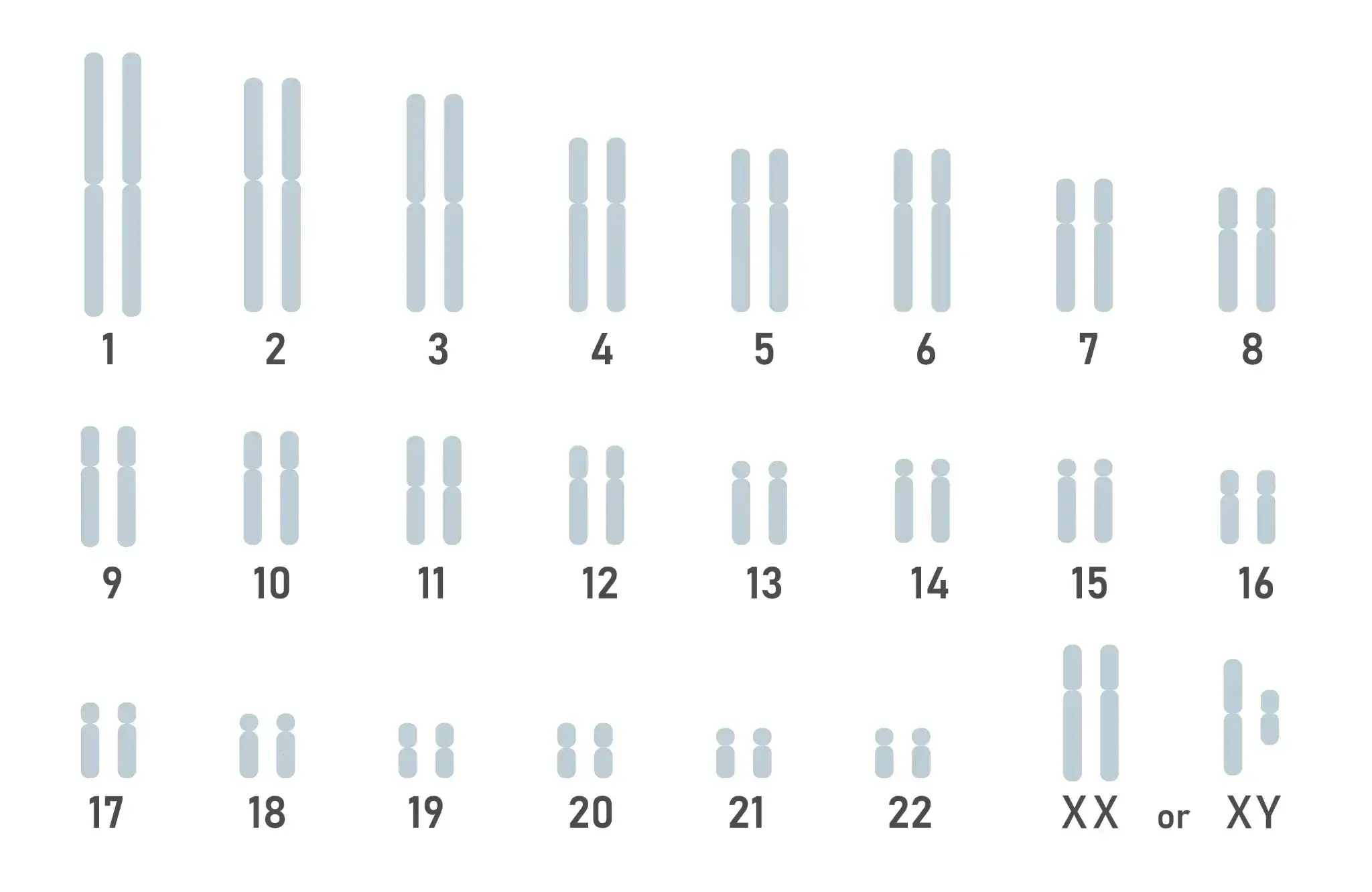
Schematic diagram of DNA map present in cells
- ■
- ■
- ■
- ■
- ■
- ■
- ■
- ■
- ■
Related genes
| Related genes | KLHL1 |
|---|
Frequently asked questions (FAQ)
Q1. What is the risk of severe infection?
The risk of severe infection refers to the fact that the strength of the immune response when a pathogen invades the body varies from person to person, and that some people are more susceptible to infection and more likely to develop severe disease.The genotype of the DNA region rs9542155, which belongs to the gene KLHL1, is associated with this risk (1, 2).
Q2. How are genes involved in the risk of severe infection?
The genotype of the DNA region rs9542155 of the gene KLHL1 located on chromosome 13 isAffects the structure of HLA antigensgive. In TC and CC types, HLA antigens are suppressed and the antigen-presenting function of leukocytes is reduced, weakening the immune response against pathogens (2, 5).
Q3. Which genotype has a higher risk of severe infection?
DNA region rs9542155CC typehas the strongest immune response suppression, making them more susceptible to infection and more likely to develop severe disease.TC typeIt tends to be somewhat suppressed,TT typeindicates a normal immune response (2, 3).
Q4. What are the preventive measures for people who are at high risk of developing severe infections?
People with the TC or CC genotype areNutritionally balanced meals, sufficient sleep, and moderate exerciseIt is important to boost your immune function. Basic infection prevention measures such as hand washing, gargling, and vaccinations are also effective.
References
- Reference link 1: 2011 Oct., Hamdi Mbare, Hum Mol Gene.
- Reference link 2: 2017 Sep., Chao Tian, Nat Commun.
- Reference link 3: Information on DNA region “rs9542155” NIH
- Reference link 4: 2001 Oct., DM van der Kolk, Leukemia.
- Reference link 5: 2000 Jan., J Adams, Trends Cell Biol.
- Reference link 6: 2016 Jul., Joseph K Pickrell, Nat Genet
- Reference link 7: 2017 Sep., Chao Tian, Nat Commun