
 tea preferences
- Tea preference is associated with DNA region rs4817505Research has found that people with type C mutation tend to prefer tea.
- Japanese rs4817505 genotype distribution isTT type 17.8%, TC type 48.8%, CC type 33.2%shows characteristics different from the world average.
- contained in teaPolyphenols, caffeine, amino acidsprovides health benefits such as antioxidant effects and cardiovascular protection.
Overview Tea is a drink that has been enjoyed since ancient times and has a rich cultural background. Tea contains bioactive substances such as polyphenols, caffeine, and amino acids that give it its unique taste and aroma and may also provide health benefits. You can enjoy different colors and flavors depending on the processing technology, such as green tea, black tea, and oolong tea. Drinking tea not only refreshes your mind and relieves fatigue, but it may also have positive effects on your health, including antioxidant effects, reducing blood lipids, and protecting your cardiovascular system. Love for tea is influenced by personal taste, lifestyle, and health status. Cultural background and social environment also have a major influence. Different cultures have different tea customs, rituals, and meanings, which also form personal emotional connections. Social factors such as home, friends, and work can also influence tea acceptability and preference. In modern society, health consciousness is increasing, and tea culture is also undergoing new developments. New tea drinks and stylish cafes will spread, and many people may fall in love with tea. A study by Said et al. from the University of Groningen revealed that tea preference is associated with a DNA region called rs4817505. There are three genotypes in this DNA region: TT, TC, and CC, and it was found that people with the C genotype tend to prefer tea.
What is your tea preference?
Tea preference refers to the degree to which an individual likes tea, and is influenced by genetic factors, taste sensitivity, and cultural background.A study by Said et al. at the University of Groningen (1) reported that the DNA region rs4817505 is associated with tea preference.
What factors influence tea preferences?
Preference for tea is formed by the following factors:
- Genetic factors:Mutations in taste receptor genes (such as TAS2R38) are involved in bitter taste sensitivity and influence how tea flavor is perceived.
- Biologically active substances:Amino acids such as polyphenols, caffeine, and L-theanine create a unique taste and aroma.
- Cultural background:In Japan, which has a tea ceremony culture, the habit of drinking green tea on a daily basis has taken root.
- Health consciousness:Perceptions of antioxidant and cardiovascular protective effects influence tea consumption behavior
Differences between types of tea and health effects
Tea is classified into different types based on processing techniques, and each type has different health benefits.
| types of tea | Main features | Typical health effects |
|---|---|---|
| green tea | Non-fermented tea, rich in catechins | Antioxidant effect/Fat burning promotion |
| black tea | Fully fermented tea/contains theaflavin | Blood lipid reduction/digestion promotion |
| oolong tea | Semi-fermented tea/contains polyphenols | Weight management/blood sugar level regulation |
Why genes are involved in tea preferences
The reason why tea preferences are related to genes is thatIndividual differences in taste receptorsThere is. Bitter components such as catechins and tannins contained in tea are perceived through the taste receptor TAS2R38.
Genetic variations in this receptor change how bitterness is perceived, leading to differences in tea preferences. Mutations in the rs4817505 region may affect these taste-related gene pathways.
What are the benefits of drinking tea?
The health benefits of tea have been confirmed in multiple studies.
- Antioxidant effect:Catechin removes active oxygen and reduces cellular oxidative stress
- Cardiovascular protection:It has been reported that consuming 3 or more cups of green tea per day reduces the risk of heart disease by approximately 26% (2)
- Blood lipid reduction:Contributes to lowering LDL cholesterol levels
- Relaxing effect:L-theanine increases alpha waves and promotes mental relaxation
The relationship between genes and tea preferences
Relationship between DNA region rs4817505 and preference
A study by Said et al. at the University of Groningen (1) revealed that the DNA region rs4817505 is associated with tea preference.
- There are three genotypes of rs4817505: TT, TC, and CC.
- Genotype with type C mutationIt turns out that people with type TC and type CC tend to prefer tea.
Genotype distribution in Japanese (rs4817505)
| Genotype | Percentage of Japanese people | percentage of the world |
|---|---|---|
| TT type | 17.8% | 42.4% |
| TC type | 48.8% | 45.4% |
| CC type | 33.2% | 12.1% |
Japanese people are characterized by the fact that the percentage of people with type CC is 33.2%, which is about 2.7 times higher than the world average (12.1%). This suggests that many Japanese people have a genetic tendency to prefer tea.
Rationale for testing
External DNA region: tea preferences
The gene region that most strongly influences tea preference is rs4817505. The distribution of isomorphic genotypes in Japan is as follows.
- TT
17.8 % - TC
48.8 % - CC
33.2 %
Another gene region involved in tea preference is rs713598. The distribution of isomorphic genotypes in Japan is as follows
- CC
18.7 % - CG
49.0 % - GG
32.1 %
Basis for inspection
A study by Said et al. from the University of Groningen revealed that tea preferences are linked to genes. There is a region called rs4817505 in the human genome, and there are two types of mutations, T and C, in the gene in this region. It was found that people with type C mutation tend to prefer tea (1).
The DNA region investigated this time
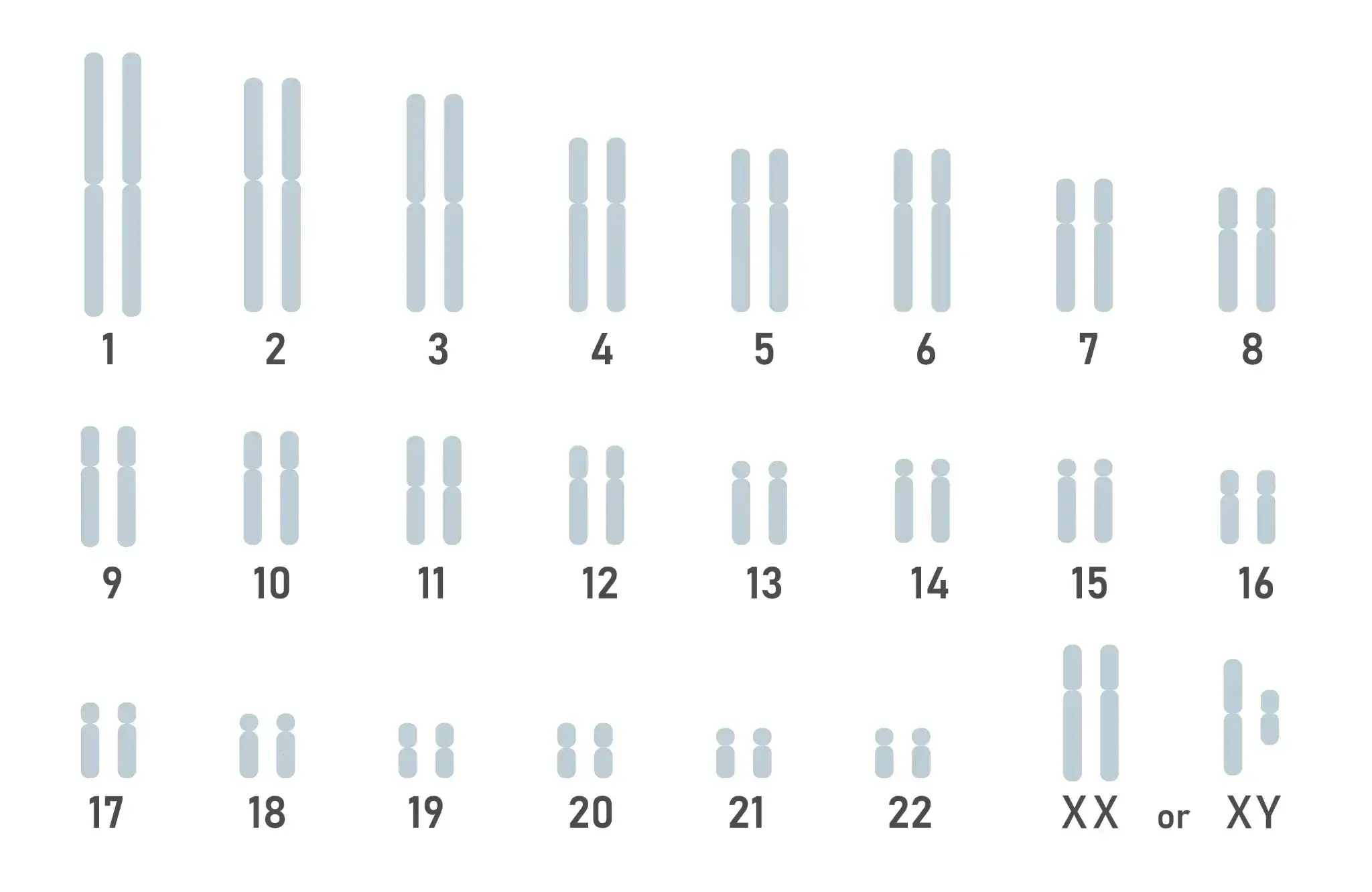
Schematic diagram of DNA map present in cells
- ■
- ■
- ■
- ■
- ■
- ■
- ■
- ■
- ■
Related genes
| Related genes | C21orf62-AS1 |
|---|---|
| Related genes | MGAM |
Frequently asked questions (FAQ)
Q1. What is your tea preference? Does it have to do with genes?
Tea preference refers to the degree to which an individual likes tea, and genetic factors are involved.A study by Said et al. from the University of Groningen found that the DNA region rs4817505 is associated with tea preference. People with the C genotype tend to prefer tea (1).
Q2. What is the DNA region rs4817505 that affects tea preferences?
rs4817505 is a DNA region that exists on the human genome.Three genotypes: TT, TC, and CCThere is. Among Japanese people, the distribution is TT type 17.8%, TC type 48.8%, and CC type 33.2%. It has been reported that people with type C mutation tend to prefer tea (1).
Q3. What are the health benefits of drinking tea?
Tea contains polyphenols, caffeine, amino acids, etc.biologically active substancesContains. Multiple studies have reported that it has positive effects on health, including antioxidant effects, reduction of blood lipids, and cardiovascular protection (2)(3).
Q4. Is it possible to find out tea preferences using genetic testing?
By examining the genotype of DNA region rs4817505,Do you have a genetic predisposition to prefer tea?can be understood. Research has shown that people with the C genotype (TC type and CC type) tend to prefer tea (1).
References
- Reference link 1: 2020 Dec., M Abdullah Said, J Am Heart Assoc
- Reference link 2: 2019 Jul., Victor W Zhong, Hum Mol Genet
- Reference link 3: 2020 Mar., Joanne B Cole, Nat Commun