
 Reaction to sunburn
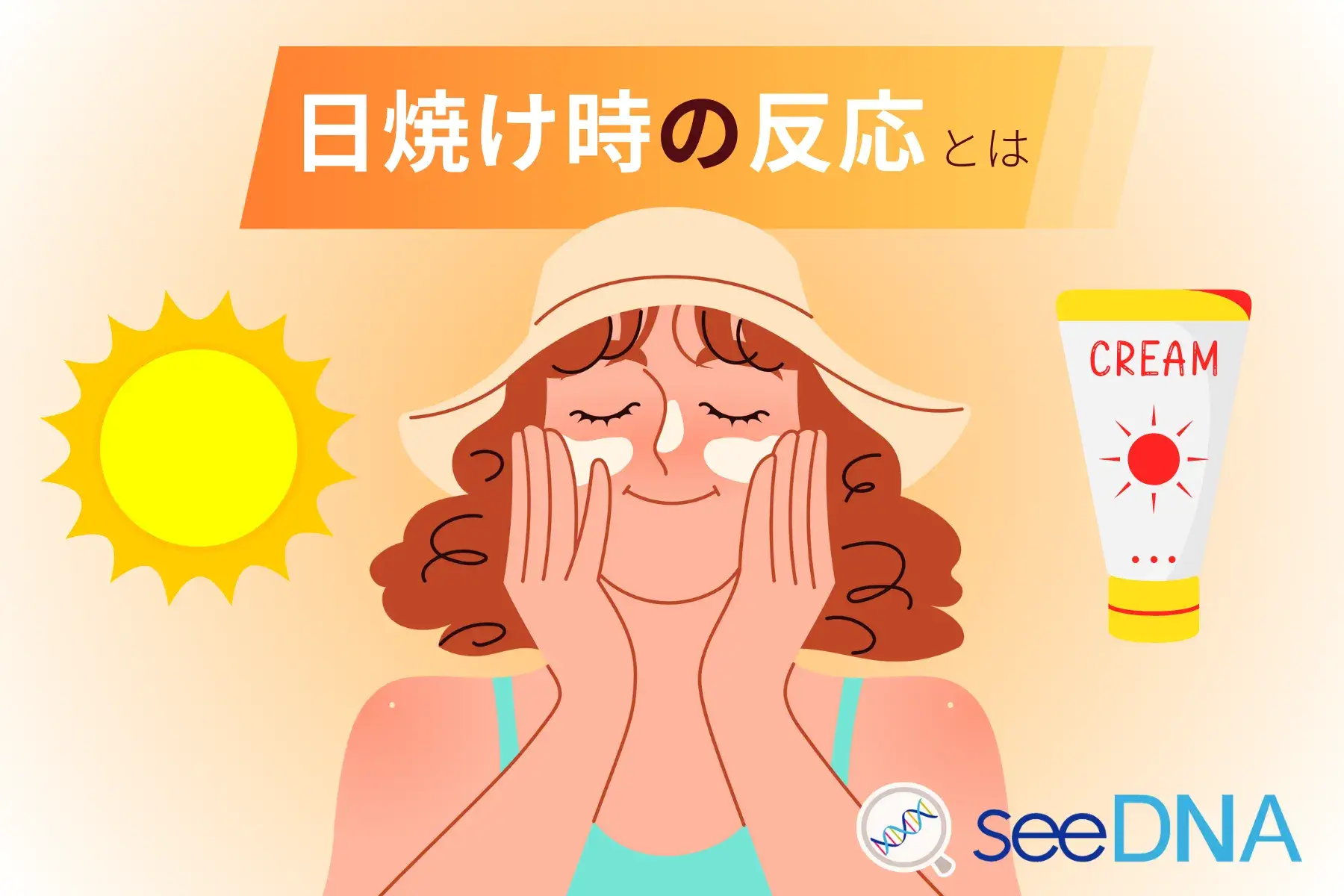
- Sunburn reaction is the degree to which the skin produces melanin and turns brown when exposed to ultraviolet rays.This is a reaction with large individual differences that is classified into 6 stages according to the Fitzpatrick classification.
- G-type mutation in DNA region rs12913832A King's College London study found that people with
- The prevalence of type AA in Japanese people at rs12913832 is99.9%This is a significantly higher percentage than the global average of 13.4%.
Overview Tanning ability refers to the ability of the skin to react to ultraviolet rays and cause sunburn. This varies greatly from person to person and depends on genetic factors and skin type. Sunburn is a reaction in which melanin pigment in the skin increases due to exposure to ultraviolet rays, causing the skin to darken. Melanin helps protect the skin from UV damage, and this is the process of tanning. Skin types are commonly classified on a scale called the Fitzpatrick classification. Under this classification, skin types are divided into six types depending on how much the skin gets tanned or how quickly it turns red without tanning. Type 1 is for people who are very fair-skinned and don't get sunburned and gets red easily, and type 6 is for people who are very dark-skinned and get sunburned easily and whose skin darkens deeply. Darker skin types tend to have a better ability to tan, because their skin contains more melanin. Your ability to tan is also affected by your age, lifestyle, and past frequency of tanning. People who get sunburned frequently from a young age have active melanin production and are more likely to get sunburned. However, frequent tanning can damage your skin and, in the long term, can accelerate skin aging and increase your risk of skin cancer. Research by Visconti et al. at King's College London revealed that a DNA region called rs12913832 is associated with sunburn reactions. There are three genotypes in this DNA region: AA, AG, and GG, and it was found that people with the G-type mutation tend to have a stronger reaction to sunburn.
What is the reaction to sunburn?
Sunburn reaction is a physiological reaction that varies from person to person and indicates the extent to which the skin produces melanin pigment and becomes tanned when exposed to ultraviolet (UV) rays.This response is determined by genetic factors and skin type.
What is the mechanism of sunburn?
Sunburn occurs when melanocytes (pigment cells) in the skin are activated by exposure to ultraviolet rays.Increased production of melanin pigmentThis is a defensive reaction that causes the skin to turn brown. Melanin plays a role in protecting the DNA of skin cells from UV damage.
What are skin types according to Fitzpatrick classification?
Skin sunburn reactionFitzpatrick classification (Fitzpatrick Skin Type)It is classified on a 6-step scale called .
| skin type | sunburn reaction | Features |
|---|---|---|
| type 1 | Always red, never brown | Very fair skin/prone to freckles |
| type 2 | Easily reddened and slightly browned | Fair skin, not easily sunburned |
| type 3 | Slightly red and uniformly brown | medium skin tone |
| type 4 | Hardly red, easily browns | slightly brown skin |
| type 5 | Not red but deep brown | brown skin |
| type 6 | No redness, very deep browning | very dark skin |
What are the health risks of sunburn?
Frequent sunburn poses the following health risks:
- Photoaging of the skin:It causes spots, wrinkles, and sagging, leading to an appearance that is older than one's actual age.
- Skin cancer risk:The risk of developing basal cell carcinoma, squamous cell carcinoma, and malignant melanoma increases approximately 2 to 5 times.
- DNA damage:UV rays can directly damage DNA and cause cell mutations
- Impact on immune function:Excessive UV exposure causes local immunosuppression
Comparison of factors influencing sunburn response
| influencing factors | Effect on melanin production | changeability |
|---|---|---|
| genetic factors | The biggest factor determining the amount and type of melanin | Cannot be changed |
| age | Melanocyte function declines with aging | Cannot be changed |
| UV exposure history | Frequent exposure activates melanin production | Can be controlled by actions |
| lifestyle habits | Intake of antioxidants contributes to skin protection | changeable |
Relationship between genes and sunburn response
Relationship between DNA region rs12913832 and sunburn response
Research by Visconti et al., King’s College London (2018, Nature Communications) revealed that the response to sunburn is associated with the DNA region rs12913832.
- There are three genotypes of rs12913832: AA, AG, and GG.
- Genotype with type G mutation(AG type/GG type) people tend to have a strong reaction to sunburn.
- This gene region is related to the HERC2 gene and influences the expression of the OCA2 gene, which controls melanin production
Comparison of genotype distribution in Japanese and the world (rs12913832)
| Genotype | Percentage of Japanese people | percentage of the world |
|---|---|---|
| AA type | 99.9% | 13.4% |
| AG type | 0.1%以下 | 46.4% |
| GG type | 0.1%以下 | 40.0% |
The prevalence of type AA in Japanese people is99.9%This is a significantly higher percentage than the global average of 13.4%. This indicates that the genetic diversity of rs12913832, which is involved in sunburn response, is extremely low in the Japanese population.
Other related gene regions
In addition to rs12913832, the following four gene regions are associated with sunburn response.
| gene region | Related genes | Main types of Japanese people (percentage) | Major types in the world (percentage) |
|---|---|---|---|
| rs2238529 | FANCA | CC type (74.0%) | GG type (40.4%) |
| rs9561570 | DCT | GT type (47.7%) | GT type (45.5%) |
| rs1448484 | OCA2 | Type AA (99.9%) | Type AA (91.2%) |
| rs16891982 | SLC45A2 | CC type (99.9%) | GG type (74.9%) |
Rationale for testing
Surface DNA region: response to sunburn
The gene region that most strongly influences sunburn response is rs12913832. The distribution of isomorphic genotypes in Japan is as follows.
- AA
99.9 % - AG
0.1%以下 - GG
0.1%以下
Another gene region involved in sunburn response is rs2238529. The distribution of isomorphic genotypes in Japan is as follows
- GG
1.9 % - GC
23.9 % - CC
74.0 %
Another gene region involved in sunburn response is rs9561570. The distribution of isomorphic genotypes in Japan is as follows
- GG
15.5 % - GT
47.7 % - TT
36.6 %
Another gene region involved in sunburn response is rs1448484. The distribution of isomorphic genotypes in Japan is as follows
- AA
99.9 % - AG
0.1%以下 - GG
0.1%以下
Another gene region involved in sunburn response is rs16891982. The distribution of isomorphic genotypes in Japan is as follows
- CC
99.9 % - CG
0.1%以下 - GG
0.1%以下
Basis for inspection
Research by Visconti et al. at King's College London revealed that genes are associated with sunburn reactions. There is a region called rs12913832 in the human genome, and there are two types of mutations, A and G, in the gene in this region. It was found that people with the type A mutation tend to have a stronger reaction to sunburn.
The DNA region investigated this time
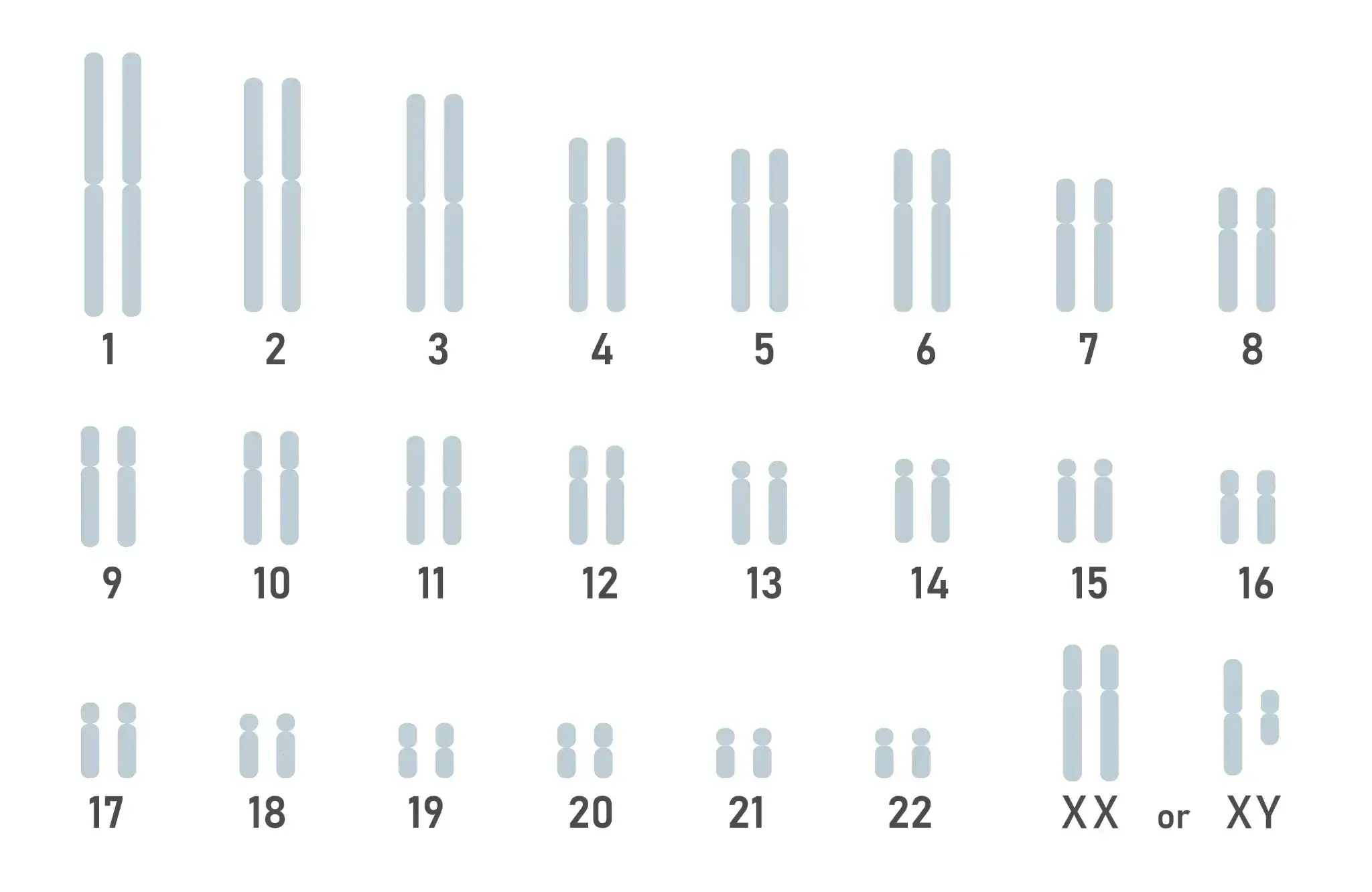
Schematic diagram of DNA map present in cells
- ■
- ■
- ■
- ■
- ■
- ■
- ■
- ■
- ■
Related genes
| Related genes | HERC2 |
|---|---|
| Related genes | FANCA |
| Related genes | DCT |
| Related genes | OCA2 |
| Related genes | SLC45A2 |
Frequently asked questions (FAQ)
Q1. What is the reaction to sunburn?
Sunburn reaction is a physiological reaction that varies from person to person and indicates the degree to which the skin produces melanin pigment and turns brown when exposed to ultraviolet rays.The Fitzpatrick classification classifies skin into six stages, from type 1 (always red and never brown) to type 6 (never red and deeply brown). The amount and type of melanin determines the strength of the reaction.
Q2. Is the reaction to sunburn related to genes?
Yes.Research by Visconti et al., King’s College London (2018, Nature Communications) found that the DNA region rs12913832 is associated with sunburn reactions.There are three genotypes of rs12913832: AA, AG, and GG, and people with the G-type mutation tend to have a stronger reaction to sunburn. A total of five gene regions (rs12913832, rs2238529, rs9561570, rs1448484, rs16891982) are involved in sunburn response.
Q3. What are the differences in genotype regarding tanning between Japanese people and those around the world?
rs12913832 is JapaneseAA type possession rate is 99.9%In contrast, the world average is 13.4% for type AA, 46.4% for type AG, and 40.0% for type GG. Almost all Japanese people have type AA, and type G mutations are almost non-existent. Regarding rs16891982, 99.9% of Japanese people have CC type, while 74.9% of people in the world have GG type, so there is a large genetic difference between Japanese people and the rest of the world.
Q4. What are the health risks of sunburn?
frequent sunburnsPhotoaging of the skin (spots, wrinkles, sagging)promote,Skin cancer (basal cell carcinoma, squamous cell carcinoma, malignant melanoma)increases the risk of developing the disease by approximately 2 to 5 times. Since UV rays directly damage DNA, it is essential to take precautions against UV rays, such as using sunscreen, wearing hats and long sleeves, and refraining from going out during the hours when UV rays are strongest (10 a.m. to 2 p.m.).
Q5. What are the effective ways to prevent sunburn?
For sun protectionRegularly reapply sunscreen with SPF 30 or higherIt is effective to wear UV-blocking clothing, hats, and sunglasses (every 2 hours), and avoid direct sunlight between 10 a.m. and 2 p.m., when UV rays are at their strongest. Eating foods containing antioxidants such as vitamin C and vitamin E can also help reduce skin damage caused by UV rays.
References
- Reference link 1: 2018 May., Alessia Visconti, Nat Commun
- Reference link 2: 2023 Jan., Xavier Farré, Genes (Basel)