
 Takayasu arteritis

- Takayasu arteritis is a vasculitis that causes chronic inflammation of the aorta and its major branches.is an autoimmune disease that commonly occurs in Asian women under the age of 40.
- T-type mutation in DNA region rs9540128A University of Pittsburgh study found that people with
- early diagnosis andCorticosteroids, immunosuppressive therapy, surgical treatmentThe combination of these can suppress the progression of symptoms and prevent organ ischemia.
Overview Hypertensive arteritis is a type of vasculitis that primarily affects the aorta. This thickens the blood vessels and narrows the area through which blood flows, restricting blood flow. Various symptoms can be seen, including fever, fatigue, muscle pain, and weight loss in the early stages. As the disease progresses, symptoms such as decreased pulse rate, difference in blood pressure between the arms, dizziness, headache, and visual disturbances appear. As the disease progresses, it causes generalized pain and weakness, angina, and high blood pressure. Diagnosis involves checking the condition of the arteries using angiography, MRI, CT scan, etc. Treatments include drugs such as corticosteroids to reduce inflammation and surgery to open narrowed arteries. The cause of this disease is not completely clear, but it is thought to occur when immune cells attack their own substances. It is more common in Asian women under the age of 40, but people around the world can be affected. A study by Ortiz-Fernández et al. at the University of Pittsburgh revealed that the risk of developing Takayasu's arteritis is associated with a DNA region called rs9540128. There are three genotypes in this DNA region: CC, CT, and TT, and it was found that people with the T genotype tend to have a higher risk of Takayasu's arteritis.
What is Takayasu arteritis?
Takayasu arteritis is a type of vasculitis that causes chronic inflammation of the aorta and its major branches.Blood vessel walls become thickened and fibrotic, and the lumen becomes narrowed or occluded, restricting blood flow and causing organ ischemia (1).
Cause and mechanism of Takayasu arteritis
The exact mechanism behind Takayasu's arteritis is unknown, but the following factors are involved.
- Autoimmune reaction:Immune cells (T cells) attack own blood vessel walls and cause chronic inflammation
- Genetic predisposition:T-type mutation in DNA region rs9540128 is associated with risk
- HLA related:Strong association with HLA-B*52 antigen has been reported
- Environmental factors:Infectious diseases (such as Mycobacterium tuberculosis) may trigger the onset of the disease.
Main symptoms of Takayasu arteritis
Symptoms of Takayasu arteritisDepends on the stage, the characteristics change between the early and advanced stages.
- Initial symptoms (systemic symptom stage):Fever, fatigue, muscle pain, weight loss, joint pain
- Advanced stage symptoms (vascular occlusion stage):Decreased or absent pulse, difference in blood pressure between arms, dizziness, headache, visual disturbances
- Severe stage:Angina pectoris, hypertension, aortic regurgitation, cerebral ischemic symptoms
Differences between Takayasu arteritis and other vasculitides
| Comparison items | Takayasu arteritis | giant cell arteritis |
|---|---|---|
| Affected vessels | Aorta/Main branches | Intracranial artery (temporal artery) |
| Age of onset | Under 40 years old | Over 50 years old |
| gender difference | More common in women (male to female ratio 1:9) | Slightly more common in women |
| Regional differences | common in Asia | common in Europe and America |
| Characteristic symptoms | No pulse/left/right blood pressure difference | Headaches, visual impairment, jaw claudication |
How to diagnose Takayasu arteritis
Diagnosis is based on the following imaging tests and clinical findings.
- Angiography:Confirmation of narrowing, occlusion, and dilation of arteries
- MRI angiography:Assessment of inflammation and thickening of blood vessel walls
- CT scan:Detection of calcification and structural changes in arterial walls
- Blood test:Measurement of inflammatory markers using CRP/erythrocyte sedimentation rate (ESR)
Treatment and countermeasures for Takayasu arteritis
Treatment of Takayasu arteritisCombination of pharmacotherapy and surgical treatmentIt will be done in
- Corticosteroids:Inflammation suppression with prednisolone (first choice)
- Immunosuppressants:Combination of methotrexate and azathioprine
- Biological products:TNF inhibitor (infliximab)/IL-6 inhibitor (tocilizumab)
- Surgical treatment:Balloon dilation, stent placement, bypass surgery
Main influencing factors
The risk of developing Takayasu's arteritis varies greatly from person to person and is influenced by the following factors.
- Genetic factors (genotypes of DNA regions rs9540128 and rs2836883)
- HLA type (HLA-B*52 possessed)
- Gender (more common in women)
- Ethnic background (high incidence among Asians)
Relationship between genes and Takayasu arteritis
Relationship between DNA region rs9540128 and onset risk
A study by Ortiz-Fernández et al. (1) from the University of Pittsburgh revealed that the DNA region rs9540128 is associated with the risk of developing Takayasu's arteritis.
- There are three genotypes of rs9540128: CC, CT, and TT.
- Genotype with T-type mutation(TT type/CT type) people tend to have a higher risk of Takayasu arteritis.
Genotype distribution in Japanese (rs9540128)
| Genotype | Percentage of Japanese people | percentage of the world |
|---|---|---|
| CC type | 39.0% | 58.8% |
| CT type | 46.8% | 35.7% |
| TT type | 14.0% | 5.4% |
Genotype distribution in Japanese (rs2836883)
| Genotype | Percentage of Japanese people | percentage of the world |
|---|---|---|
| GG type | 69.9% | 55.6% |
| GA type | 27.3% | 37.9% |
| AA type | 2.6% | 6.4% |
Rationale for testing
Superficial DNA region: Takayasu arteritis
The gene region that most strongly affects Takayasu arteritis is rs9540128. The distribution of isomorphic genotypes in Japan is as follows.
- CC
39.0 % - CT
46.8 % - TT
14.0 %
Another gene region involved in Takayasu's arteritis is rs2836883. The distribution of isomorphic genotypes in Japan is as follows
- GG
69.9 % - GA
27.3 % - AA
2.6 %
Basis for inspection
A study by Ortiz-Fernández et al. at the University of Pittsburgh revealed that the risk of developing Takayasu's arteritis is related to genes. There is a region called rs9540128 in the human genome, and there are two types of mutations in the gene in this region: C and T. It was found that people with the T-type mutation tend to have an increased risk of Takayasu's arteritis.
The DNA region investigated this time
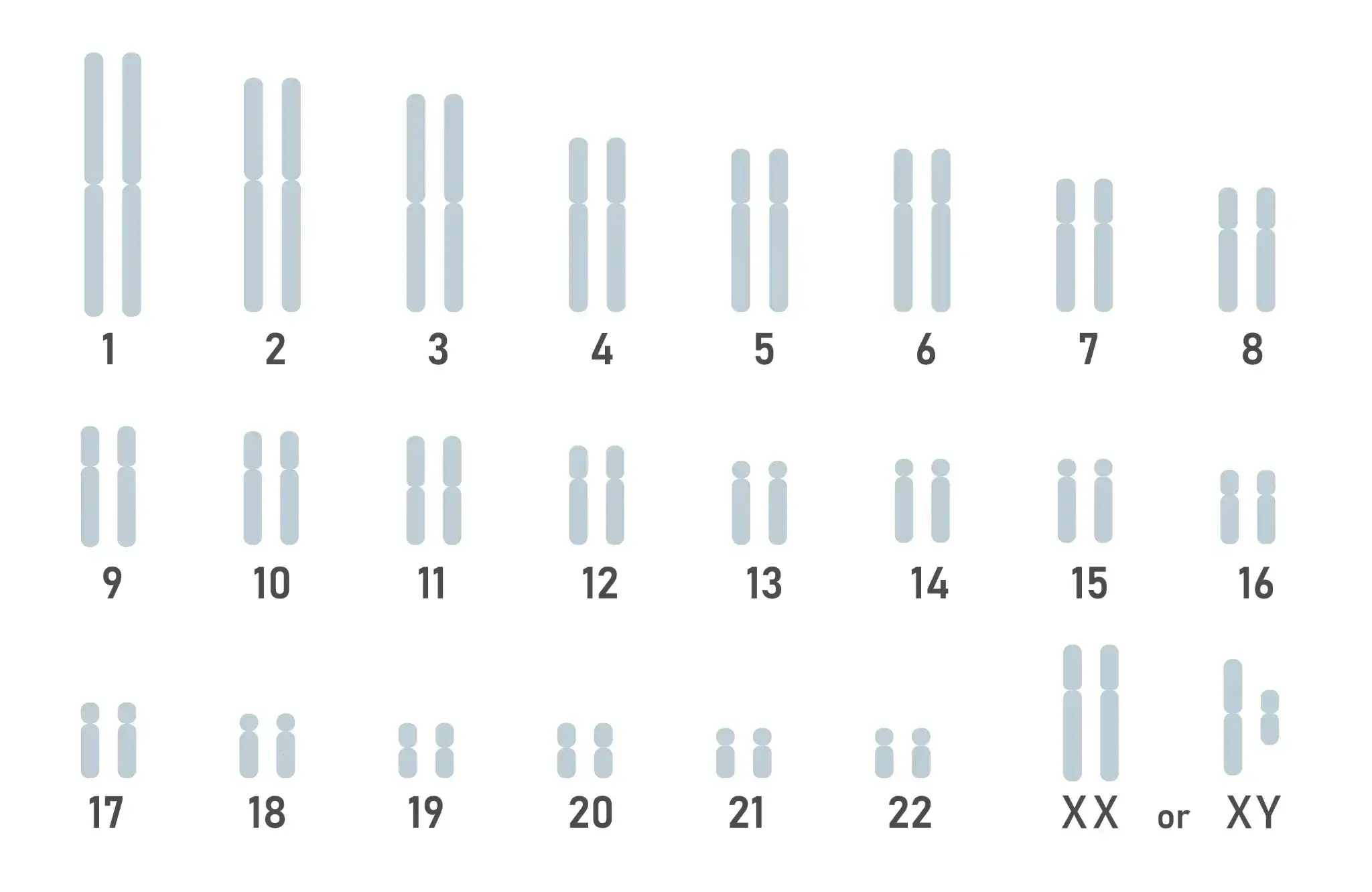
Schematic diagram of DNA map present in cells
- ■
- ■
- ■
- ■
- ■
- ■
- ■
- ■
- ■
Related genes
| Related genes | LINC00355 |
|---|---|
| Related genes | LINC02940 |
Frequently asked questions (FAQ)
Q1. What is Takayasu arteritis?
Takayasu arteritis is a type of vasculitis that causes chronic inflammation of the aorta and its major branches.Blood vessel walls become thickened and the lumen narrows, restricting blood flow. It occurs more frequently in Asian women under the age of 40 and is thought to be caused by an immune abnormality (1).
Q2. What is the cause of Takayasu's arteritis?
The exact cause is unknown, butAutoimmune reaction in which immune cells (T cells) attack the walls of your own blood vesselsis thought to be the main cause. As a genetic factor, the T-type mutation in the DNA region rs9540128 is involved in the risk (1).
Q3. Can genetic testing determine the risk of Takayasu arteritis?
By examining the genotype of the DNA region rs9540128,Understand the risk trend of developing Takayasu arteritisYou can. A University of Pittsburgh study found that people with the T mutation genotype (TT type/CT type) tend to be at higher risk (1).
Q4. Is there any treatment for Takayasu arteritis?
Inflammation suppression with corticosteroids (prednisolone)is the first choice. If the effect is insufficient, immunosuppressants or TNF inhibitors may be used in combination. If the blood vessels are severely narrowed, balloon dilation or bypass surgery may be performed.
References
- Reference link 1: 2021 Jan., Lourdes Ortiz-Fernández, Am J Hum Genet