
 systolic blood pressure level

- Systolic blood pressure is the highest pressure exerted on the artery walls when the heart pumps blood.The normal value is less than 120 mmHg, and a value of 130 mmHg or more is diagnosed as hypertension.
- G-type mutation in DNA region rs1870464A study by the National Institutes of Health found that people with the disease tend to have higher systolic blood pressure.
- The prevalence of type G mutation (GG+GA) in Japanese people is63.2%This is a high percentage compared to the world average of 46.3%.
Overview Systolic blood pressure is one of the important numbers in blood pressure measurement and is an indicator of cardiovascular health. This number, expressed in millimeters of mercury (mm Hg), indicates the maximum pressure exerted on the artery walls as the heart pumps blood. Too high blood pressure can increase your risk of cardiovascular disease and other health problems. Normal systolic blood pressure is usually less than 120 mm Hg. A value between 120 and 129 mm Hg indicates the early stages of high blood pressure and lifestyle changes are recommended. On the other hand, readings above 130 mm Hg are considered high blood pressure, which increases your risk of heart attack, stroke, and kidney disease. Systolic blood pressure numbers vary depending on many factors, including activity level, stress, sleep, time of day, and the effects of medications. Long-term systolic blood pressure trends are an important source of information for determining cardiovascular health and treatment needs. A single high reading does not necessarily mean chronic high blood pressure, but continuous monitoring and diagnosis by a doctor are necessary. A study by Gouveia et al. from the National Institutes of Health revealed that fluctuations in systolic blood pressure are associated with a DNA region called rs1870464. There are three genotypes in this DNA region: GG, GA, and AA, and it was found that people with the G genotype tend to have higher systolic blood pressure.
What is systolic blood pressure?
Systolic blood pressure is the peak pressure exerted on the artery walls when the heart contracts and pumps blood into the arteries.It is displayed as the "upper number" in blood pressure measurements and is expressed in millimeters of mercury (mmHg). This number is one of the most important indicators for determining cardiovascular health.
Standard values and classification of systolic blood pressure
The classification of systolic blood pressure based on the standards of the Japanese Society of Hypertension is as follows.
| classification | Systolic blood pressure (mmHg) | Approximate response |
|---|---|---|
| normal blood pressure | less than 120 | Maintain the status quo |
| normal high blood pressure | 120〜129 | Lifestyle improvement recommendations |
| high blood pressure | 130〜139 | Lifestyle improvement/physician consultation |
| 1st degree hypertension | 140〜159 | Considering starting treatment |
| Second degree hypertension | 160〜179 | Consideration of drug therapy |
| Third degree hypertension | 180 or more | urgent treatment required |
Why is high systolic blood pressure dangerous?
A systolic blood pressure of 130 mmHg or higher is considered high blood pressure and increases your risk of:
- Heart attack:Increased risk of coronary artery narrowing or occlusion, cutting off blood flow to the heart muscle
- Stroke:Increased risk of brain tissue damage due to rupture or blockage of cerebral blood vessels
- Kidney disease:Damage to small blood vessels in the kidneys, increasing the risk of decreased kidney function
- Arteriosclerosis:Arterial walls become thickened and hardened, restricting blood flow.
Factors affecting systolic blood pressure
Systolic blood pressure values vary depending on the following factors:
- Activity level:Temporarily increases during exercise and decreases during rest
- Stress:Mental tension activates the sympathetic nervous system and increases blood pressure.
- Sleep:Lack of sleep and poor sleep quality are factors that increase blood pressure.
- Meals:Excessive salt intake and potassium deficiency increase blood pressure
- Genetic predisposition:Mutations in DNA regions affect blood pressure levels
Relationship between genes and systolic blood pressure
Relationship between DNA region rs1870464 and systolic blood pressure
A study by Gouveia et al. from the National Institutes of Health revealed that changes in systolic blood pressure are associated with the DNA region rs1870464.
- There are three genotypes of rs1870464: GG, GA, and AA.
- Genotype with type G mutation(GG type/GA type) people tend to have high systolic blood pressure
Comparison of genotype distribution in Japanese and the world (rs1870464)
| Genotype | Percentage of Japanese people | percentage of the world |
|---|---|---|
| GG type | 15.5% | 7.1% |
| GA type | 47.7% | 39.2% |
| AA type | 36.6% | 53.6% |
The G mutation prevalence rate (GG+GA) in Japanese people is63.2%This is approximately 1.4 times higher than the global average of 46.3%. This suggests that genetic predispositions associated with systolic blood pressure are more widely distributed in the Japanese population.
Other related DNA regions
Multiple DNA regions other than rs1870464 are associated with systolic blood pressure levels.
| DNA region | Genotype | Japanese distribution | world distribution |
|---|---|---|---|
| rs356833 | AA / AG / GG | 67.5% / 29.2% / 3.1% | 55.1% / 38.1% / 6.6% |
| rs4119478 | CC / CT / TT | 31.6% / 49.2% / 19.1% | 47.2% / 42.9% / 9.7% |
| rs10784502 | CC / CT / TT | 1.5% / 21.8% / 76.5% | 21.3% / 49.7% / 28.8% |
| rs366178 | CC / CA / AA | 2.8% / 27.9% / 69.1% | 45.7% / 43.7% / 10.4% |
| rs11105364 | TT / TG / GG | 35.5% / 48.1% / 16.3% | 71.3% / 26.2% / 2.4% |
| rs6015450 | AA / AG / GG | 99.9% / 0.1%以下 / 0.1%以下 | 76.6% / 21.8% / 1.5% |
Rationale for testing
Superficial DNA region: systolic blood pressure level
The gene region that most strongly influences systolic blood pressure levels is rs1870464. The distribution of isomorphic genotypes in Japan is as follows.
- GG
15.5 % - GA
47.7 % - AA
36.6 %
Another gene region involved in systolic blood pressure levels is rs356833. The distribution of isomorphic genotypes in Japan is as follows
- AA
67.5 % - AG
29.2 % - GG
3.1 %
Another gene region involved in systolic blood pressure levels is rs4119478. The distribution of isomorphic genotypes in Japan is as follows
- CC
31.6 % - CT
49.2 % - TT
19.1 %
Another gene region involved in systolic blood pressure levels is rs10784502. The distribution of isomorphic genotypes in Japan is as follows
- CC
1.5 % - CT
21.8 % - TT
76.5 %
Another gene region involved in systolic blood pressure levels is rs366178. The distribution of isomorphic genotypes in Japan is as follows
- CC
2.8 % - CA
27.9 % - AA
69.1 %
Another gene region involved in systolic blood pressure levels is rs11105364. The distribution of isomorphic genotypes in Japan is as follows
- TT
35.5 % - TG
48.1 % - GG
16.3 %
Another gene region involved in systolic blood pressure levels is rs6015450. The distribution of isomorphic genotypes in Japan is as follows
- AA
99.9 % - AG
0.1%以下 - GG
0.1%以下
Basis for inspection
Research by Gouveia and colleagues at the National Institutes of Health revealed that changes in systolic blood pressure are associated with genes. There is a region called rs1870464 in the human genome, and there are two types of mutations, G and A, in the gene in this region. It was found that people with type G mutations tend to have higher systolic blood pressure.
The DNA region investigated this time
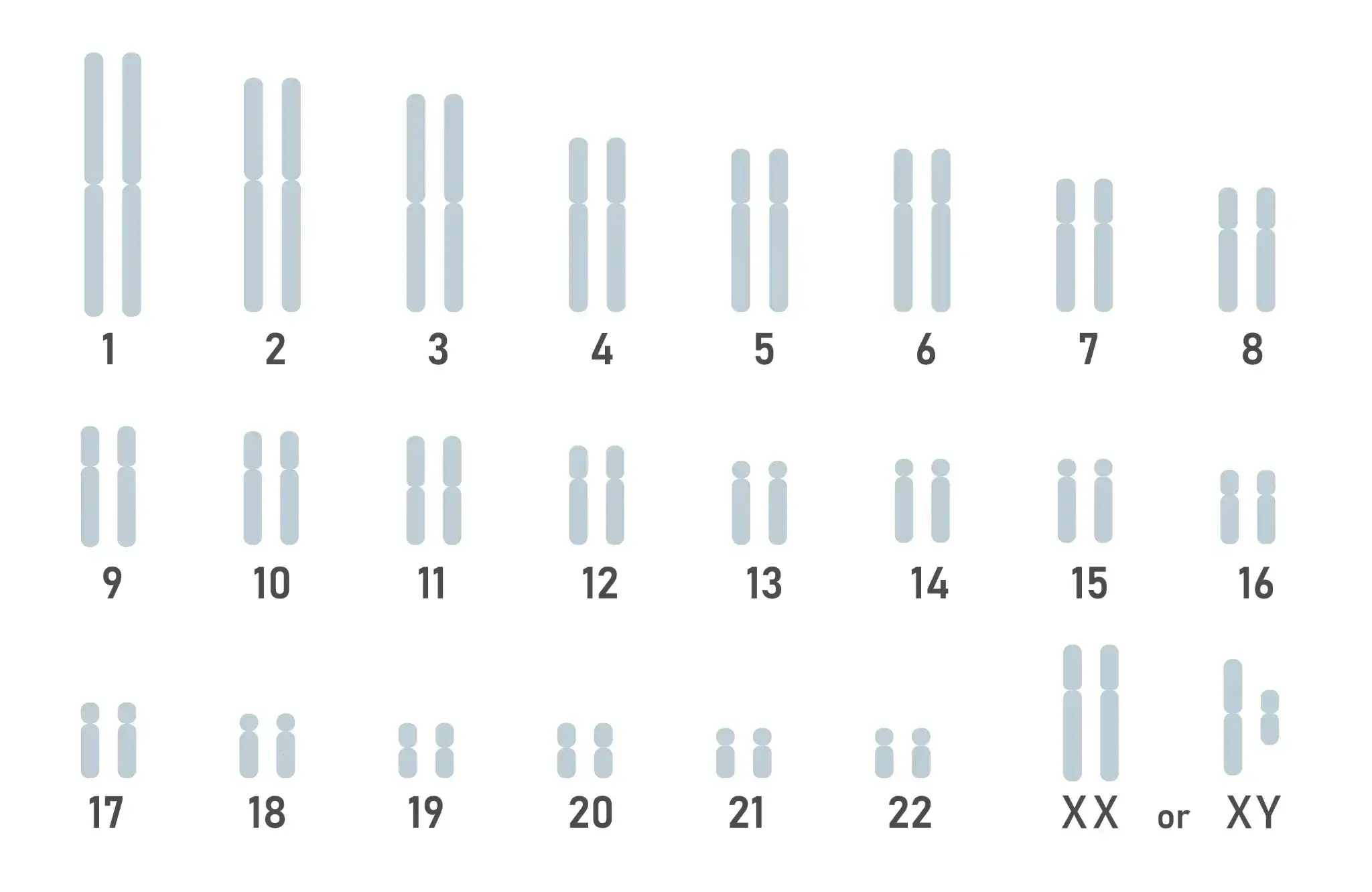
Schematic diagram of DNA map present in cells
- ■
- ■
- ■
- ■
- ■
- ■
- ■
- ■
- ■
Related genes
| Related genes | MSANTD2P1 |
|---|---|
| Related genes | ARIH2P1 |
| Related genes | RPL18AP17 |
| Related genes | HMGA2 |
| Related genes | RNU6-682P |
| Related genes | ATP2B1 |
| Related genes | ZNF831 |
Frequently asked questions (FAQ)
Q1. What is systolic blood pressure?
Systolic blood pressure is the peak pressure exerted on the artery walls when the heart contracts and pumps blood into the arteries.It is displayed as the "upper number" when measuring blood pressure, and the unit is mmHg. A normal value is less than 120 mmHg, and a value of 130 mmHg or more is diagnosed as hypertension. It is one of the most important indicators for assessing cardiovascular health.
Q2. Is systolic blood pressure related to genes?
Yes.A study by Gouveia et al. from the National Institutes of Health found that the DNA region rs1870464 is associated with systolic blood pressure.There are three genotypes of rs1870464: GG, GA, and AA, and people with the G mutation genotype tend to have high systolic blood pressure. Six other DNA regions are also associated: rs356833, rs4119478, rs10784502, rs366178, rs11105364, and rs6015450.
Q3. Please tell me the standard value and classification of systolic blood pressure.
The classification of systolic blood pressure is as follows:Normal blood pressure: less than 120mmHg, Normal high blood pressure: 120-129mmHg, High blood pressure: 130-139mmHg, Grade I hypertension: 140-159mmHg, Grade II hypertension: 160-179mmHg, Grade III hypertension: 180mmHg or more. Above 130mmHg, the risk of heart attack, stroke, and kidney disease increases.
Q4. What is the distribution of the DNA region rs1870464 related to systolic blood pressure in Japanese people?
The genotype distribution of rs1870464 in Japanese people isGG type 15.5%, GA type 47.7%, AA type 36.6%It is. Globally, 7.1% of people have the GG mutation, 39.2% have the GA mutation, and 53.6% have the AA mutation, and Japanese people have a higher prevalence of the G mutation than the world average.
Q5. What can I do to lower my systolic blood pressure?
The following lifestyle changes are effective in lowering systolic blood pressure.Reduced salt (less than 6g per day), moderate aerobic exercise (more than 150 minutes a week), maintenance of appropriate weight (BMI 25), smoking cessation, alcohol moderation (less than 20g of pure alcohol per day), and stress management practices are recommended. If you are genetically at high risk, it is important to regularly measure your blood pressure and consult your doctor.
References
- Reference link 1: 2021 Feb., Mateus H Gouveia, Sci Rep
- Reference link 2: 2019 Jan., Ayush Giri, Nat Genet
- Reference link 3: 2023 Feb., Mindy M Pike, J Am Heart Assoc
- Reference link 4: 2017 Jan., Thomas J Hoffmann, Nat Genet
- Reference link 5: 2020 Dec., Praveen Surendran, Nat Genet
- Reference link 6: 2018 Nov., Fumihiko Takeuchi, Nat Commun
- Reference link 7: 2011 Sep., International Consortium for Blood Pressure Genome-Wide Association Studies, Nature