
 systemic lupus erythematosus

- Systemic lupus erythematosus (SLE) is a chronic autoimmune disease in which the immune system attacks its own tissues.It occurs most frequently in women in their 20s to 40s, with a male to female ratio of approximately 1:9.
- C-type mutation in DNA region rs76596471Research shows that people with the disease tend to be at higher risk of developing
- early diagnosis andHydroxychloroquine/immunosuppressantIt is possible to manage symptoms and prevent organ damage with appropriate treatment such as
Overview Systemic lupus erythematosus (SLE) is a chronic autoimmune disease in which the body's immune system mistakenly attacks its own tissues and organs. This causes systemic inflammation and damage. SLE can affect many different parts of the body, including the skin, joints, kidneys, blood, and brain. The cause of SLE is not completely understood, but genetic, environmental, and hormonal factors may play a role. Women are more commonly affected, but men and children can also be affected. Symptoms of SLE include: 1. Skin rash, especially a "butterfly erythema" on the cheeks 2. Photosensitivity 3. Pain and swelling in the joints 4. Fever 5. Fatigue 6. Hair loss 7. Mouth sores 8. Pleuritis and pericarditis 9. Neurological symptoms such as convulsions and mental disorders 10. Kidney problems such as nephritis and renal failure Diagnosis of SLE is based on clinical symptoms, physical findings, and antinuclear antibody (ANA) testing. Treatment aims to suppress inflammation, prevent organ damage, and alleviate symptoms using nonsteroidal anti-inflammatory drugs and hydroxychloroquine. SLE is a complex autoimmune disease that requires proper diagnosis and treatment. Avoiding sun exposure, maintaining a healthy lifestyle, and having regular check-ups can improve treatment and prognosis. A study by Wang et al. at the University of Hong Kong revealed that the risk of developing systemic lupus erythematosus is associated with a DNA region called rs76596471. There are three genotypes in this DNA region: TT, TC, and CC, and it was found that people with the C genotype tend to have a higher risk of developing systemic lupus erythematosus.
What is systemic lupus erythematosus (SLE)?
Systemic Lupus Erythematosus (SLE) Erythematosus) is a chronic systemic autoimmune disease in which the immune system mistakenly attacks its own tissues and organs.It causes inflammation and damage throughout the body, including the skin, joints, kidneys, blood, and brain.
Causes and mechanisms of SLE
The exact cause of SLE is not completely understood, but three factors are involved in a complex manner:
- Genetic factors:Genetic mutations such as the HLA gene and DNA region rs76596471 are involved in the risk of developing the disease.
- Environmental factors:UV exposure, viral infections (such as EB virus), and certain drugs can trigger the disease.
- Hormonal factors:Estrogen promotes immune response and is one of the reasons why women in their 20s to 40s have a higher incidence of the disease.
In SLEantinuclear antibody (ANA)YaAnti-double-stranded DNA antibody (anti-dsDNA antibody)attacks its own cell nucleus, and immune complexes are deposited in tissues, causing inflammation.
Main symptoms of SLE
Symptoms of SLE areDiverse and highly variable, depending on the affected organ.
- Skin symptoms:Erythema butterfly (butterfly-shaped rash from cheek to nose), photosensitivity, erythema disciformis
- Joint symptoms:Multi-joint pain and swelling (non-destructive)
- Systemic symptoms:Fever, chronic fatigue, hair loss
- Kidney symptoms:Lupus nephritis (occurs in approximately 50% of SLE patients)
- Blood abnormality:Anemia, leukopenia, thrombocytopenia
- Neurological symptoms:Convulsions, cognitive dysfunction, psychiatric symptoms
- Oral symptoms:Stomatitis (characterized by being painless)
- Serositis:Pleuritis, pericarditis
Difference between SLE and rheumatoid arthritis
| Comparison items | systemic lupus erythematosus | rheumatoid arthritis |
|---|---|---|
| target | Organs of the whole body (skin, kidneys, brain, etc.) | Mainly joint synovium |
| Age of onset | Women in their 20s to 40s | Women in their 40s to 60s |
| Male to female ratio | Approximately 1:9 (female dominance) | Approximately 1:3 (female predominance) |
| Characteristic skin findings | butterfly erythema | rheumatoid nodules |
| joint destruction | Usually non-destructive | progressive joint destruction |
| diagnostic index | Antinuclear antibody (ANA) positive | Rheumatoid factor (RF) positive |
Complication risk of SLE
Without proper treatment, the following serious complications may occur:
- Lupus nephritis:Approximately 50% of SLE patients develop this disease and may lead to end-stage renal failure.
- Cardiovascular disease:Accelerated arteriosclerosis, pericarditis, myocarditis
- Central nervous system lupus:Convulsions, cerebrovascular disorders, cognitive decline
- Antiphospholipid antibody syndrome:Increased risk of thrombosis and habitual miscarriage
Diagnostic method
The diagnosis of SLE isAmerican College of Rheumatology (ACR)/European Union of Rheumatology Associations (EULAR) 2019 Classification CriteriaIt is done based on.
- Antinuclear antibody (ANA) screening test
- Confirmation of anti-dsDNA antibody/anti-Sm antibody
- Measurement of complement (C3/C4) levels
- Urinalysis (confirmation of proteinuria/hematuria)
- Blood test (confirmation of cytopenias)
Treatment and prevention of SLE
Treatment of SLE may include a combination of the following, depending on disease activity and affected organs:
- Hydroxychloroquine:Basic treatment for SLE. Recommended for all patients
- Nonsteroidal anti-inflammatory drugs (NSAIDs):Reduction of joint pain and muscle pain
- Steroids (prednisolone, etc.):Suppression of inflammation in the acute phase
- Immunosuppressants:Azathioprine, mycophenolate mofetil, cyclophosphamide
- Biological products:Belimumab (anti-BLyS antibody)
in daily lifeUV protection(Use sunscreen and avoid direct sunlight)moderate exercise、Regular hospital check-upsis important.
Relationship between genes and systemic lupus erythematosus
Relationship between DNA region rs76596471 and onset risk
A study by Wang et al. (1) from the University of Hong Kong revealed that the DNA region rs76596471 is associated with the risk of developing systemic lupus erythematosus.
- There are three genotypes of rs76596471: TT, TC, and CC.
- Genotype with type C mutationpeople tend to be at higher risk of SLE
Genotype distribution in Japanese (rs76596471)
| Genotype | Percentage of Japanese people | percentage of the world |
|---|---|---|
| TT type | 99.0% | 99.8% |
| TC type | 0.9% | 0.1% |
| CC type | 0.1%以下 | 0.1%以下 |
Rationale for testing
Superficial DNA region: systemic lupus erythematosus
The gene region that most strongly affects systemic lupus erythematosus is rs76596471. The distribution of isomorphic genotypes in Japan is as follows.
- TT
99.0 % - TC
0.9 % - CC
0.1%以下
Basis for inspection
A study by Wang et al. at the University of Hong Kong revealed that the risk of developing systemic lupus erythematosus is linked to genes. There is a region called rs76596471 in the human genome, and there are two types of mutations, T and C, in the gene in that region. It was found that people with the T-type mutation tend to have a higher risk of developing systemic lupus erythematosus.
The DNA region investigated this time
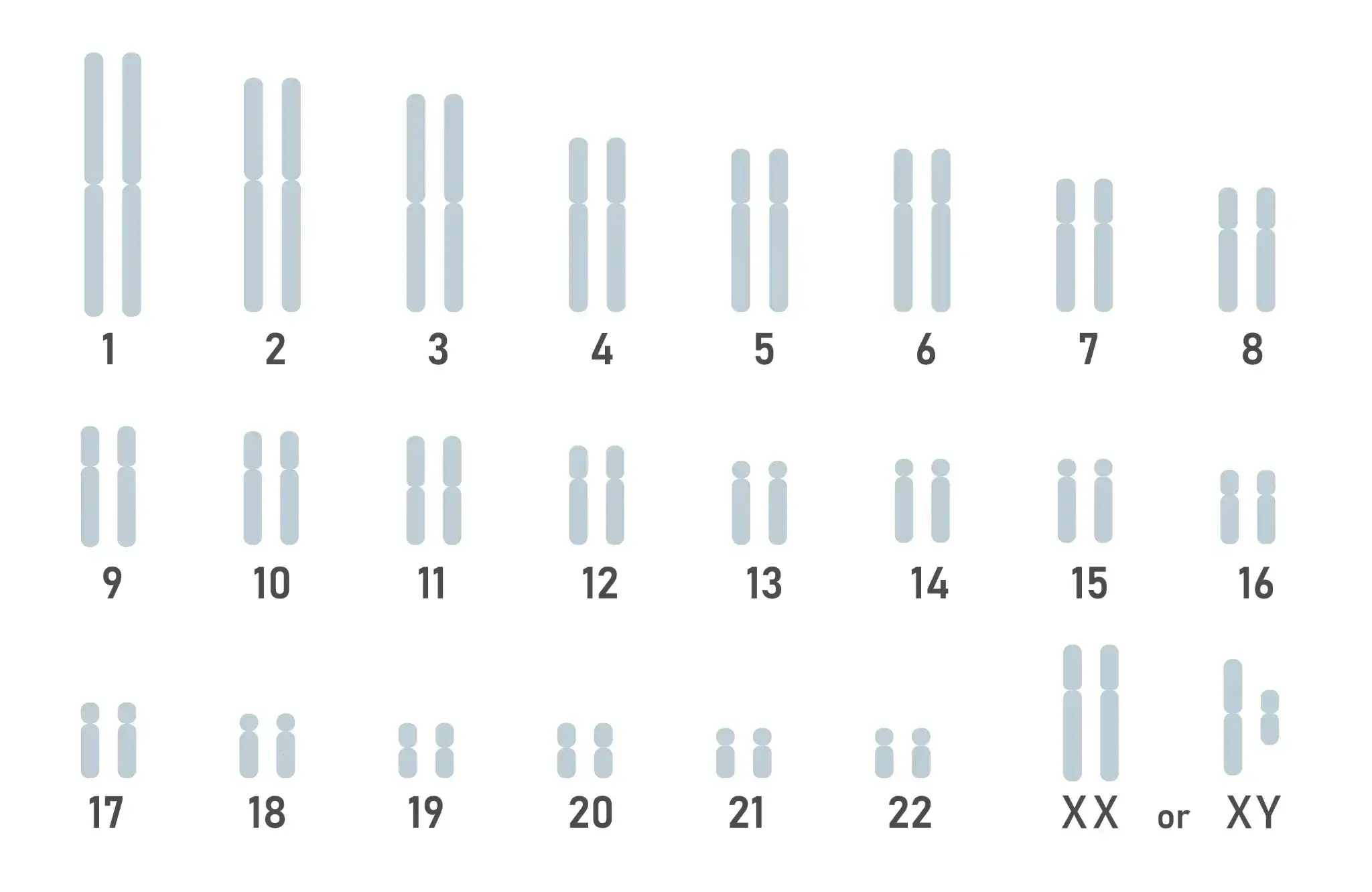
Schematic diagram of DNA map present in cells
- ■
- ■
- ■
- ■
- ■
- ■
- ■
- ■
- ■
Related genes
| Related genes | TMEM116 |
|---|
Frequently asked questions (FAQ)
Q1. What is systemic lupus erythematosus (SLE)?
Systemic lupus erythematosus (SLE) is a chronic autoimmune disease in which the immune system mistakenly attacks its own tissues and organs.It affects the entire body, including the skin, joints, kidneys, blood, and brain, and is more common in women in their 20s to 40s. The male to female ratio is approximately 1:9 (1).
Q2. What are the main causes of SLE?
What causes SLE?Genetic factors, environmental factors (ultraviolet rays, infections), hormonal factorsare involved in multiple ways. Carriers of the type C mutation in the DNA region rs76596471 tend to be at increased risk (1).
Q3. What is the difference between SLE and rheumatoid arthritis?
SLE isAutoimmune diseases that affect organs throughout the bodyIt is characterized by butterfly erythema and renal damage. Rheumatoid arthritis isMainly targets the synovium of jointsAs a result, symmetric joint destruction progresses.
Q4. Can genetic testing determine the risk of SLE?
By examining the genotype of the DNA region rs76596471,Understanding trends in the risk of developing SLEYou can. A study by Wang et al. at the University of Hong Kong found that people with the C mutation genotype tend to be at higher risk (1).
Q5. What treatments are available for SLE?
Hydroxychloroquineis recommended for all patients as a basic treatment. Steroids are used in the acute phase, and immunosuppressants and biologics such as belimumab are used in severe cases. UV protection and regular inspections are also important.
References
- Reference link 1: 2022 May., Yong-Fei Wang, Arthritis Rheumatol