
 preference for sweetness

- Sweetness preference is an individual's preference for sweetness.It is formed by complex factors such as genetics, eating habits, culture, and aging.
- T-type mutation in DNA region rs182549A University of Edinburgh study found that people with a tendency to prefer sweetness
- The prevalence of type CC among Japanese people is99.9%This is an overwhelmingly high percentage compared to the world average of 23.2%.
Overview Sweet taste preference is an individual preference formed by dietary, cultural, genetic, environmental, and psychological factors. Eating habits during childhood have a big influence, and people who grew up surrounded by sweets tend to strongly prefer sweets, while people who have had a moderate diet often prefer natural sweets. Tastes vary depending on cultural background; for example, people in Asia prefer mild sweetness, while people in Western countries often prefer strong sweetness. Genetics also influence sensitivity to sweet tastes, and whether you like sweets is also related to genetic factors. As we age and our lifestyle changes, our preferences for sweetness may change, and we may find ourselves enjoying natural sweetness more. Sweetness preferences are complexly formed by many of these factors, and there are large individual differences. A study by May-Wilson et al. at the University of Edinburgh revealed that sweetness preference is associated with a DNA region called rs182549. There are three genotypes in this DNA region: CC, CT, and TT, and it was found that people with the T-type mutation tend to prefer sweetness.
What is your preference for sweetness?
Sweetness preference is a characteristic that indicates an individual's preference for sweetness, and is formed through the combined influence of dietary, cultural, genetic, environmental, and psychological factors.It is scientifically clear that there are large individual differences in how people perceive and prefer sweetness, and that genes influence the sensitivity of taste receptors.
What are the five factors that determine sweet taste preference?
Sweet taste preference is not determined by a single factor, but by the combined effect of the following five factors.
1. Genetic factors
- DNA region rs182549:Associated with the MCM6 gene and directly influences sweet taste preference
- Taste receptor sensitivity:The intensity of sweet taste varies depending on the genotype.
- Heritability:Approximately 30-50% of sweet taste preference is explained by genetic factors.
2. Eating habits during childhood
- Environment surrounded by sweet foods:A preference for strong sweetness is formed.
- Moderate diet:Increasing preference for natural sweetness
3. Cultural background
- Asia:Tendency to prefer mild sweetness
- Western countries:Tendency to prefer strong sweetness
4. Changes due to aging
- Changes in taste threshold:Sensitivity to sweet taste decreases with age
- Changes in taste:People tend to enjoy natural sweetness more
5. Psychological factors
- Stress and sweetness:Desire for sweets increases under mental stress
- Activation of reward system:Sweetness stimulates reward circuits in the brain and brings pleasure.
Comparison of factors influencing sweet taste preference
| factor | degree of influence | Features |
|---|---|---|
| genetic factors | Approximately 30-50% | Innate influences by taste receptors and DNA regions |
| eating habits | Approximately 20-30% | Childhood food environment shapes preferences |
| cultural background | Approximately 10-20% | The acceptable range of sweetness differs depending on the region and country. |
| aging | variable | Preferences change due to increased taste threshold |
| psychological factors | variable | Desire for sweets fluctuates depending on stress and emotional state |
The relationship between genes and sweetness preference
Relationship between DNA region rs182549 and sweet taste preference
Research by May-Wilson et al., University of Edinburgh (2022, Nature Communications) revealed that sweetness preference is associated with the DNA region rs182549.
- There are three genotypes of rs182549: CC, CT, and TT.
- Genotype with T-type mutation(CT type/TT type) people tend to prefer sweetness.
- This gene region is related to the MCM6 gene
Comparison of genotype distribution in Japanese and the world (rs182549)
| Genotype | Percentage of Japanese people | percentage of the world |
|---|---|---|
| CC type | 99.9% | 23.2% |
| CT type | 0.1%以下 | 49.9% |
| TT type | 0.1%以下 | 26.8% |
The prevalence of type CC among Japanese people is99.9%This is an overwhelmingly high percentage compared to the world average of 23.2%. On the other hand, worldwide, T mutation carriers (CT+TT) are76.7%, and significant genetic differences exist between Japanese and global populations.
Rationale for testing
External DNA region: sweetness preference
The gene region that most strongly influences sweetness preference is rs182549. The distribution of isomorphic genotypes in Japan is as follows.
- CC
99.9 % - CT
0.1%以下 - TT
0.1%以下
Basis for inspection
A study by May-Wilson et al. at the University of Edinburgh revealed that sweetness preference is linked to genes. There is a region called rs182549 in the human genome, and there are two types of mutations, C and T, in the gene in this region. It was found that people with the T-type mutation tend to prefer sweetness.
The DNA region investigated this time
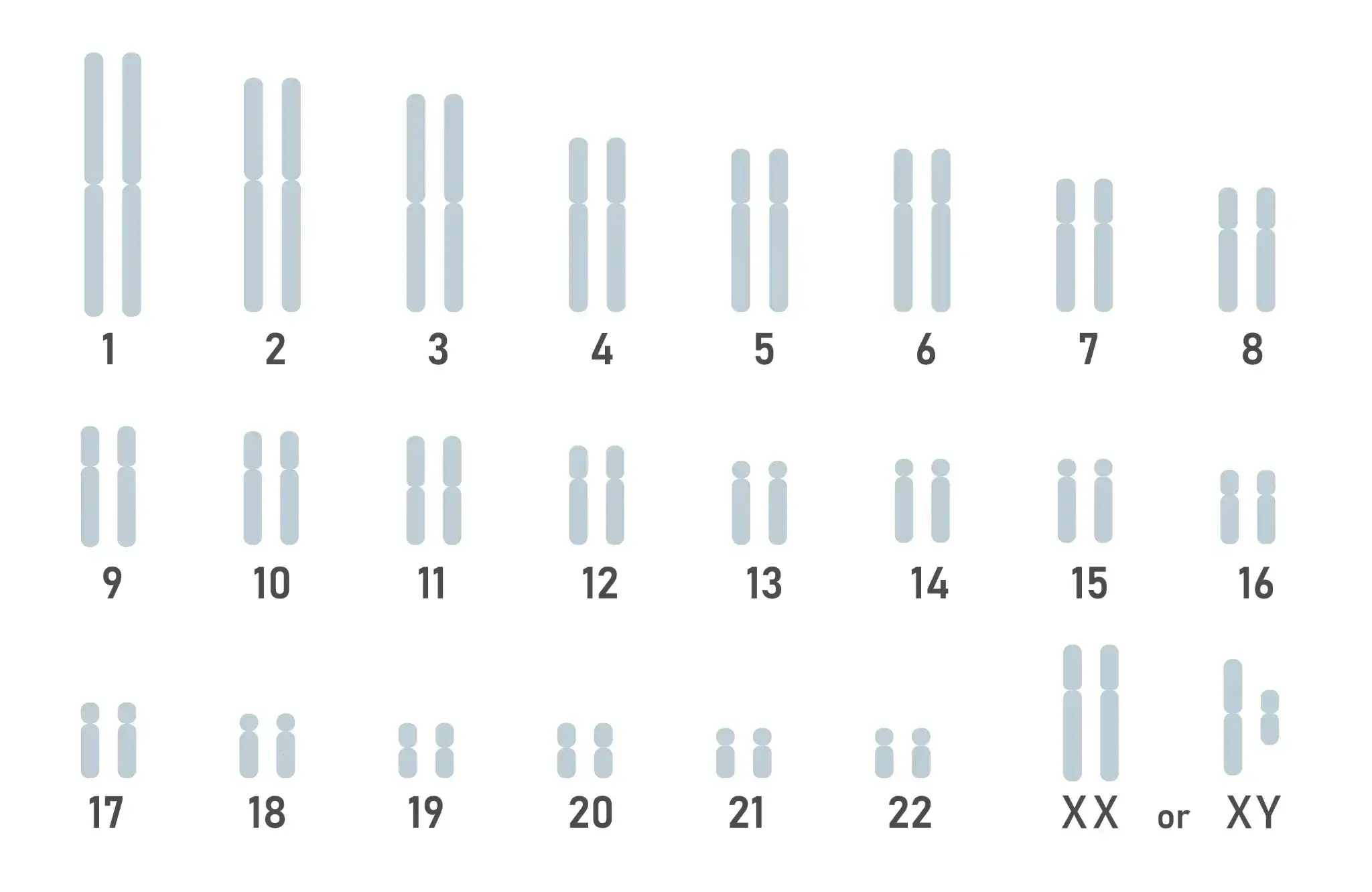
Schematic diagram of DNA map present in cells
- ■
- ■
- ■
- ■
- ■
- ■
- ■
- ■
- ■
Related genes
| Related genes | MCM6 |
|---|
Frequently asked questions (FAQ)
Q1. What is your sweetness preference?
Sweetness preference is a characteristic that indicates an individual's preference for sweetness.Eating habits, culture, genetics, environment, and psychological factors have a complex effect, and childhood eating habits play a major role. People who grew up surrounded by sweet foods tend to prefer strong sweet flavors, while people who have a moderate diet tend to prefer natural sweet flavors.
Q2. Is sweetness preference related to genes?
Yes.Research by May-Wilson et al., University of Edinburgh (2022, Nature Communications) found that the DNA region rs182549 is associated with sweetness preference.There are three genotypes of rs182549: CC, CT, and TT, and people with the T-type mutation tend to prefer sweetness.
Q3. What is the distribution of the genotype related to sweetness preference (rs182549) in Japanese people?
The genotype distribution of rs182549 in Japanese people isCC type 99.9%, CT type 0.1%以下, TT type 0.1%以下It is. Worldwide, 23.2% are CC type, 49.9% CT type, and 26.8% TT type, and Japanese people have an overwhelmingly high rate of CC type, about 4.3 times the world average.
Q4. What factors influence sweet taste preference?
For those who like sweetnessGenetic factors (DNA region such as rs182549)、childhood eating habits、cultural background, taste changes due to aging, and psychological factors have a complex effect. Asian countries tend to prefer mild sweetness, while Western countries tend to prefer strong sweetness, and there are notable regional differences.
References
- Reference link 1: 2022 May., Sebastian May-Wilson, Nat Commun