
 acute cardiac arrest
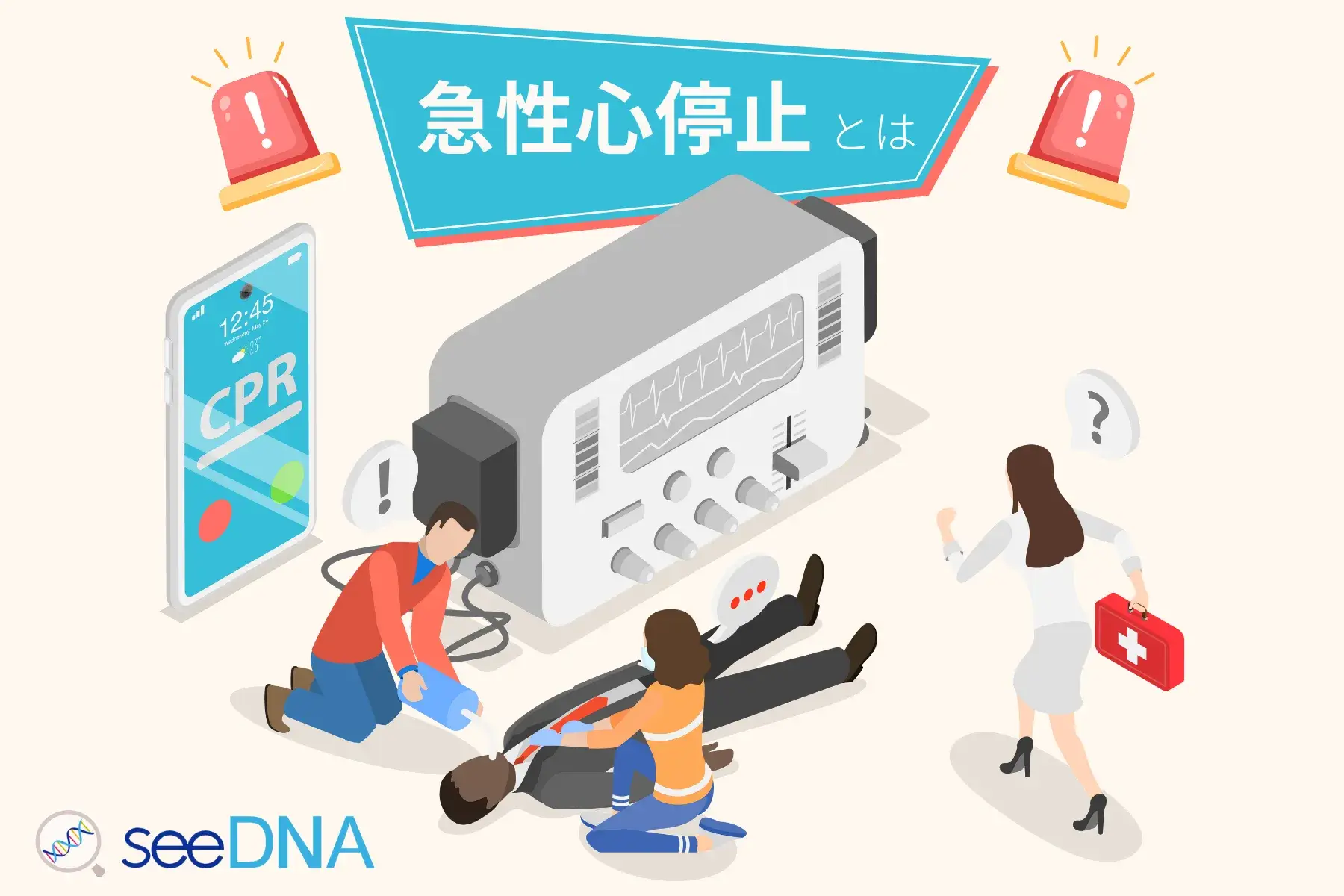
- Acute cardiac arrest (SCA) is an emergency disease in which the heart suddenly stops beating due to an electrical abnormality.If untreated, death can occur within minutes of onset of symptoms.
- C-type mutation in DNA region rs12429889A study at the University of California found that people with
- At the time of onsetImmediate CPR (cardiopulmonary resuscitation) and defibrillation (using AED)significantly improves survival rate
Overview Acute cardiac arrest (SCA) is a serious condition in which the heart suddenly stops functioning, causing loss of breathing and consciousness. The condition appears without warning or symptoms, and electrical disturbances in the heart stop blood flow to organs such as the brain and lungs. SCA is fatal if not treated within minutes because it stops the heart beating effectively. The typical symptoms of SCA are sudden loss of consciousness and collapse without any warning of dizziness or chest pain. It is characterized by no detectable pulse, unresponsiveness to stimulation, and cessation of normal breathing patterns. The reason your skin looks pale is because of poor blood circulation due to lack of oxygen. Sudden cardiac arrest must be distinguished from a heart attack. A heart attack involves obstruction of blood flow, but SCA is a condition in which the heart stops beating. Prompt medical treatment is essential, and defibrillation and other treatments to restore the heart's beating are the key factors that can make the difference between life and death. A study by Aouizerat et al. at the University of California, San Francisco, revealed that the risk of acute cardiac arrest is associated with a DNA region called rs12429889. There are three genotypes in this DNA region: TT, TC, and CC, and it was found that people with the C genotype tend to have a higher risk of acute cardiac arrest.
What is acute cardiac arrest (SCA)?
Sudden Cardiac Arrest (SCA) Arrest) is an emergency disease in which the heart's pumping function suddenly stops due to an electrical abnormality in the heart, resulting in loss of breathing and consciousness.SCA develops without warning, and disturbances in the heart's electrical system cut off blood flow to major organs such as the brain and lungs. If untreated, irreversible brain damage begins within 4 to 6 minutes of onset and death occurs within 10 minutes.
Main symptoms of acute cardiac arrest
Acute cardiac arrest occurs suddenly and is characterized by the following symptoms:
- Sudden loss of consciousness:Collapses suddenly without warning and does not respond to stimulation
- Loss of pulse:No detectable pulse
- Stopping normal breathing:Breathing stops or only gasping breathing occurs
- Skin discoloration:Skin becomes pale due to lack of oxygen (cyanosis)
In some patients, prodromal symptoms such as dizziness, chest pain, shortness of breath, and palpitations may appear before the onset of symptoms, but in the majority of cases, these symptoms do not occur.
Difference between acute cardiac arrest and heart attack
Acute cardiac arrest and heart attack (myocardial infarction) are often confused, but they are different diseases.
| Comparison items | acute cardiac arrest (SCA) | heart attack (myocardial infarction) |
|---|---|---|
| cause | Abnormalities in the electrical system of the heart | Blood flow obstruction due to coronary artery occlusion |
| heart beat | the heartbeat stops | Usually continues to beat |
| consciousness | immediately lose consciousness | Consciousness is often maintained |
| Urgency | fatal within minutes | Sometimes there is a grace period of several hours. |
| lifesaving treatment | CPR + AED (defibrillator) | Coronary intervention (PCI) |
Causes and risk factors for acute cardiac arrest
The most common cause of acute cardiac arrest isventricular fibrillation(an arrhythmia in which the ventricles tremble chaotically and are unable to pump blood). The risk factors are as follows.
| Category | risk factors | Details |
|---|---|---|
| History of heart disease | Coronary artery disease/cardiomyopathy | Approximately 75% of SCA patients have a history of coronary artery disease |
| genetic factors | Family history/genetic mutation | Risk increases if you have a first-degree relative with SCA |
| lifestyle habits | Smoking, obesity, lack of exercise | The risk of SCA in smokers is about 2 to 3 times that of non-smokers. |
| underlying disease | High blood pressure/diabetes/high cholesterol | Cardiovascular strain increases SCA risk |
Improving life-saving treatment and survival rates for acute cardiac arrest
Immediate defibrillation using CPR (cardiopulmonary resuscitation) and AED (automated external defibrillator) after the onset of acute cardiac arrest greatly improves survival rates.
- CPR (cardiopulmonary resuscitation):Maintain minimal blood flow to the brain and organs through chest compressions and artificial respiration
- AED (defibrillation):Defibrillation within 3-5 minutes of onset improves survival rate to 50-70%
- Emergency medical care:Advanced cardiac care in hospitals (hypothermia therapy, coronary artery intervention, etc.)
Every minute that CPR is not performed decreases the chance of survival by 7-10%. If more than 10 minutes have passed since the onset of symptoms, the survival rate is less than 5%.
How to prevent acute cardiac arrest
The following measures are effective in reducing the risk of acute cardiac arrest:
- Regular heart check-ups:Early detection through electrocardiogram/echocardiography
- Improving lifestyle habits:Quit smoking, maintain a healthy weight, and exercise regularly (150 minutes or more of moderate-intensity exercise per week)
- Management of underlying diseases:Appropriate treatment of hypertension, diabetes, and hypercholesterolemia
- Popularization of CPR/AED:Improving the rate of CPR/AED use by the general public will improve the survival rate of society as a whole
Association between genes and acute cardiac arrest
Relationship between DNA region rs12429889 and acute cardiac arrest
A study by Aouizerat and colleagues at the University of California, San Francisco, revealed that the risk of acute cardiac arrest is associated with the DNA region rs12429889.
- There are three genotypes of rs12429889: TT, TC, and CC.
- Genotype with type C mutation(TC type/CC type) people tend to have a higher risk of acute cardiac arrest
Relationship between DNA region rs16866933 and acute cardiac arrest
Besides rs12429889,DNA region rs16866933has also been reported to be associated with acute cardiac arrest. rs16866933 has three genotypes: GG, GA, and AA, and is located in the related gene ZNF385B.
Comparison of genotype distribution in Japanese and the world (rs12429889)
| Genotype | Percentage of Japanese people | percentage of the world |
|---|---|---|
| TT type | 74.0% | 69.9% |
| TC type | 23.9% | 27.4% |
| CC type | 1.9% | 2.6% |
Comparison of genotype distribution in Japanese and the world (rs16866933)
| Genotype | Percentage of Japanese people | percentage of the world |
|---|---|---|
| GG type | 39.6% | 82.1% |
| GA type | 46.6% | 16.9% |
| AA type | 13.7% | 0.8% |
The prevalence of type C mutation (TC+CC) in Japanese people is rs12429889.25.8%This is a low percentage compared to the world average of 30.0%. On the other hand, for rs16866933, the type A mutation prevalence (GA+AA) is higher in Japanese people.60.3%Compared to the rest of the world, the rate of type A infection among Japanese people is 17.7%, which is approximately 3.4 times higher.
Rationale for testing
Superficial DNA region: acute cardiac arrest
The gene region most strongly associated with acute cardiac arrest is rs12429889. The distribution of isomorphic genotypes in Japan is as follows.
- TT
74.0 % - TC
23.9 % - CC
1.9 %
Another gene region involved in acute cardiac arrest is rs16866933. The distribution of isomorphic genotypes in Japan is as follows
- GG
39.6 % - GA
46.6 % - AA
13.7 %
Basis for inspection
A study by Aouizerat and colleagues at the University of California, San Francisco, revealed that the risk of acute cardiac arrest is linked to genes. There is a region called rs12429889 in the human genome, and there are two types of mutations, T and C, in the gene in this region. It was found that people with the T-type mutation tend to have a higher risk of acute cardiac arrest.
The DNA region investigated this time
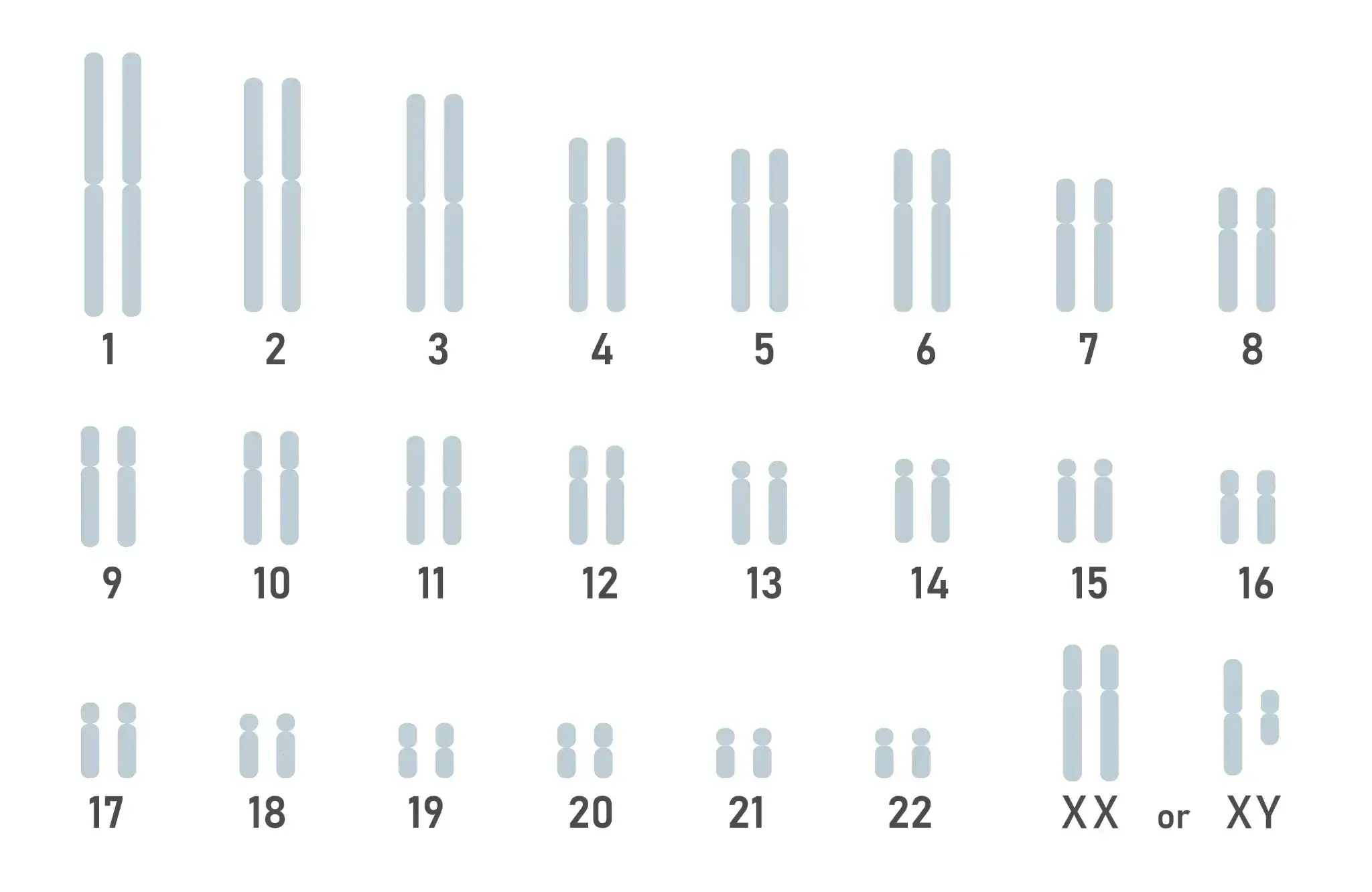
Schematic diagram of DNA map present in cells
- ■
- ■
- ■
- ■
- ■
- ■
- ■
- ■
- ■
Related genes
| Related genes | KLF12 |
|---|---|
| Related genes | ZNF385B |
Frequently asked questions (FAQ)
Q1. What is acute cardiac arrest (SCA)?
Acute cardiac arrest (SCA) is an emergency disease in which the heart's pumping function suddenly stops due to an electrical abnormality in the heart.Unlike a heart attack (myocardial infarction), SCA causes the heart to stop beating. The patient suddenly loses consciousness and loses a pulse without warning. If untreated, death occurs within minutes of onset, so immediate CPR and defibrillation are essential.
Q2. Are genes related to acute cardiac arrest?
Yes.A study by Aouizerat et al. at the University of California, San Francisco, found that the DNA region rs12429889 is associated with the risk of acute cardiac arrest.There are three genotypes of rs12429889: TT, TC, and CC, and people with the genotype C mutation tend to be at higher risk. Furthermore, rs16866933 (ZNF385B gene region) has also been reported to be associated with acute cardiac arrest.
Q3. What are the causes and risk factors for acute cardiac arrest?
The most common cause of acute cardiac arrest is ventricular fibrillation (disorganized electrical activity in the ventricles).Risk factors include coronary artery disease (approximately 75% of people with SCA have a history of it), cardiomyopathy, congenital heart disease, history of heart attack, family history, high blood pressure, diabetes, obesity, smoking (about 2 to 3 times the risk), high cholesterol, and lack of exercise.
Q4. What is the difference between acute cardiac arrest and heart attack?
A heart attack occurs when a coronary artery is blocked, blocking blood flow to the heart muscle, and the heart continues to beat normally.On the other hand, acute cardiac arrest is a condition in which the heart itself stops beating due to an abnormality in the heart's electrical system. Although a heart attack can trigger acute cardiac arrest, the two are different diseases with different causes, symptoms, and severity.
Q5. How can I increase my survival rate if acute cardiac arrest occurs?
Defibrillation using CPR (cardiopulmonary resuscitation) and AED (automated external defibrillator) within 3 to 5 minutes of onset improves survival rate to 50 to 70%.Every minute that CPR is not performed decreases the chance of survival by 7-10%. If more than 10 minutes have passed from the onset of symptoms, the survival rate is less than 5%, so prompt life-saving treatment by witnesses is paramount.
References
- Reference link 1: 2011 Jun., Bradley E Aouizerat, BMC Cardiovasc Disord