
 squamous cell lung cancer

- Squamous cell lung cancer is a type of non-small cell lung cancer (NSCLC)Smoking is the biggest cause, accounting for approximately 25-30% of all lung cancer cases.
- T-type mutation in DNA region rs9602270Research shows that people with the disease tend to be at higher risk of developing
- JapaneseType AA possession rate is 79.1%This is 16.8 points lower than the global average of 95.9%, and the percentage of T mutation carriers is high.
Overview Squamous cell lung cancer is a type of non-small cell lung cancer (NSCLC) that begins in the flat cells (squamous cells) that line the airways of the lungs. The main cause is smoking, and passive smokers can also develop it. This lung cancer develops in the center of the lungs (near the bronchi). Symptoms include persistent cough, bloody sputum, wheezing, shortness of breath, respiratory infections, and general fatigue. When it becomes severe, it can cause symptoms such as severe chest pain and difficulty breathing. Cancer cells can also spread to lymph nodes or other organs, causing further complications. Diagnosis involves performing diagnostic imaging such as a CT scan or PET scan, followed by a biopsy to confirm the state of the squamous epithelial cells. Treatment includes surgery, radiation therapy, chemotherapy, and targeted therapy, depending on the stage and condition of the cancer. Research by McKay et al. from the International Agency for Research on Cancer revealed that the risk of developing squamous cell lung cancer is associated with a DNA region called rs9602270. There are three genotypes in this DNA region: AA, AT, and TT, and it was found that people with the T genotype tend to have a higher risk of squamous cell lung cancer.
What is squamous cell lung cancer?
Squamous cell lung cancer, a type of non-small cell lung cancer (NSCLC), is a malignant tumor that develops from the squamous epithelial cells that line the airways of the lungs.It is a histological type that accounts for approximately 25-30% of all lung cancers and is strongly associated with smoking (1).
Causes and risk factors for squamous cell lung cancer
The biggest cause is smoking.Smokers are at significantly higher risk of developing the disease than non-smokers.
- Smoking:It is the biggest risk factor for squamous cell lung cancer, and the risk increases in proportion to the number of years and number of cigarettes smoked.
- Passive smoking:Even non-smokers have an increased risk of developing the disease depending on their surrounding smoking environment.
- Occupational exposure:Exposure to hazardous substances such as asbestos, radon, chromium, and nickel
- Genetic predisposition:T-type mutation in DNA region rs9602270 is associated with risk
Main symptoms of squamous cell lung cancer
Squamous cell lung cancer is characterized by developing in the center of the lungs (near the bronchi).The following symptoms may be observed:
- Persistent cough/bloody sputum (hemoptysis)
- Wheezing/shortness of breath/difficulty breathing
- recurrent respiratory infections
- General fatigue and weight loss
- In severe cases, severe chest pain and respiratory failure
Difference between squamous cell lung cancer and adenocarcinoma
| Comparison items | squamous cell lung cancer | lung adenocarcinoma |
|---|---|---|
| Occurrence site | Center of the lungs (near the bronchi) | peripheral part of the lungs |
| Association with smoking | strong association | The relationship is relatively weak. |
| Incidence rate | Approximately 25-30% of lung cancers | Approximately 40-50% of lung cancers |
| Characteristic symptoms | Bloody sputum and wheezing | Often asymptomatic in the early stages |
| targeted therapy | Adaptation is limited | EGFR/ALK inhibitors are effective |
Diagnostic method
A definitive diagnosis is made using a combination of imaging tests and pathological tests.
- CT scan:Evaluate the location, size, and shape of the tumor
- PET scan:Check for cancer activity and metastasis
- Biopsy (bronchoscopy):Collect tissue and pathologically confirm abnormalities in squamous epithelial cells
treatment method
The treatment method is selected depending on the stage of the cancer and your general condition.
| treatment method | adaptation | Features |
|---|---|---|
| surgery | Early stage (I-II stage) | Aiming for complete tumor removal |
| radiation therapy | Unsuitable for surgery/locally advanced | Standard combination with chemotherapy |
| chemotherapy | Advanced stage (stage III-IV) | Platinum-based regimens |
| immunotherapy | PD-L1 positive case | immune checkpoint inhibitors |
Relationship between genes and squamous cell lung cancer
Relationship between DNA region rs9602270 and onset risk
A study by McKay et al. (1) from the International Agency for Research on Cancer revealed that the DNA region rs9602270 is associated with the risk of developing squamous cell lung cancer.
- There are three genotypes of rs9602270: AA, AT, and TT.
- Genotype with T-type mutationpeople tend to be at higher risk of squamous cell lung cancer
- The related genes areRNU6-67P
Genotype distribution in Japanese (rs9602270)
There are differences in genotype distribution between Japanese and the rest of the world.
| Genotype | Percentage of Japanese people | percentage of the world | difference |
|---|---|---|---|
| AA type | 79.1% | 95.9% | −16.8 points |
| AT type | 19.6% | 4.0% | +15.6 points |
| TT type | 1.2% | 0.1%以下 | +1.2 points |
The proportion of Japanese people with type AA is 16.8 points lower than the world average, and the proportion of type AT (with type T mutation) is 15.6 points higher than the world average.It is characterized by this. This difference in distribution may influence the genetic risk propensity for squamous cell lung cancer in the Japanese population.
Rationale for testing
Superficial DNA region: squamous cell lung cancer
The gene region that most strongly affects squamous cell lung cancer is rs9602270. The distribution of isomorphic genotypes in Japan is as follows.
- AA
79.1 % - AT
19.6 % - TT
1.2 %
Basis for inspection
A study by McKay et al. (1) from the International Agency for Research on Cancer revealed that the risk of developing squamous cell lung cancer is related to genes.There is a region called rs9602270 in the human genome, and there are two types of mutations, A and T, in the gene in this region. It was found that people with the T mutation tend to have an increased risk of squamous cell lung cancer.
The DNA region investigated this time
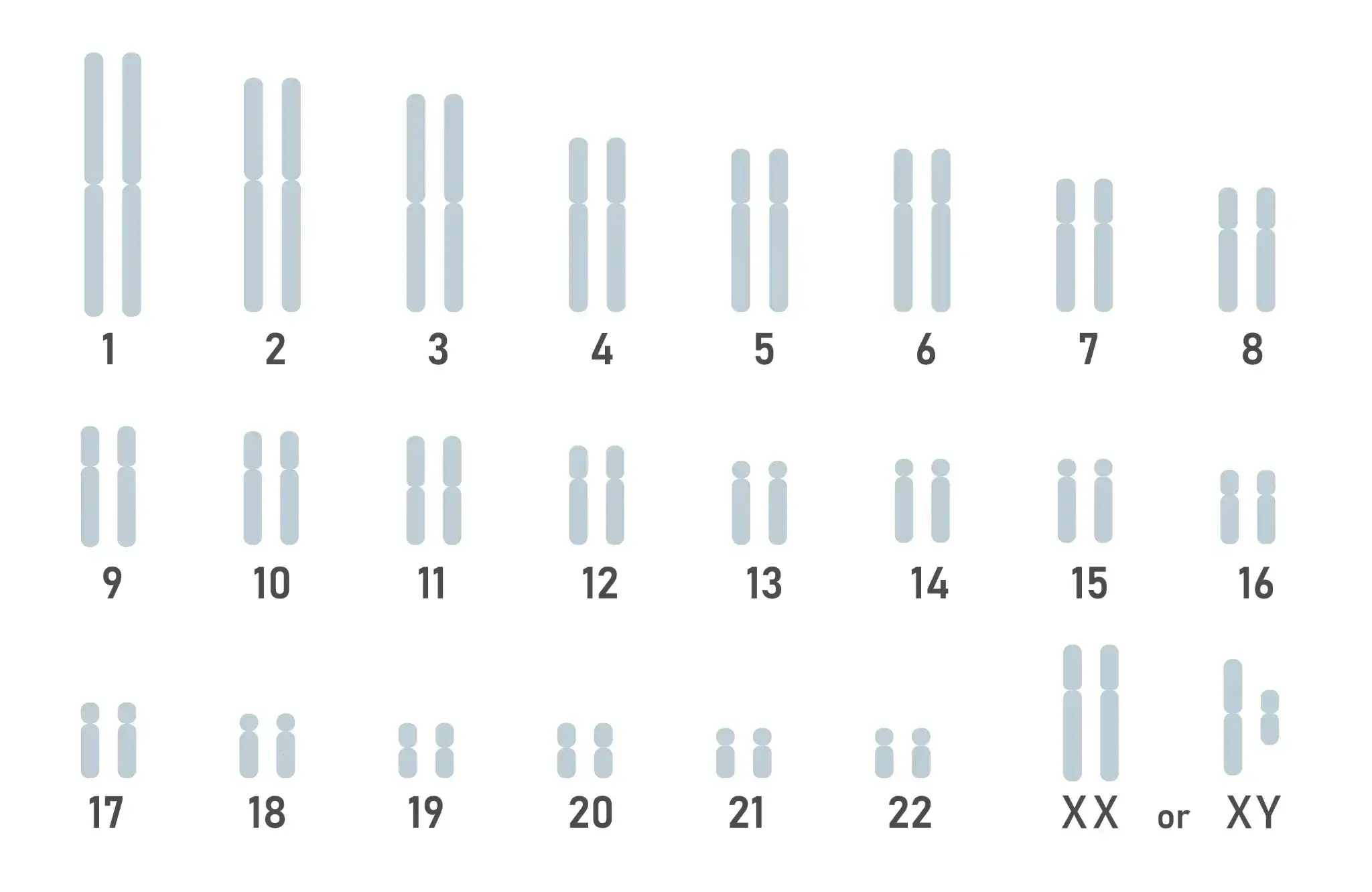
Schematic diagram of DNA map present in cells
- ■
- ■
- ■
- ■
- ■
- ■
- ■
- ■
- ■
Related genes
| Related genes | RNU6-67P |
|---|
Frequently asked questions (FAQ)
Q1. What is squamous cell lung cancer?
Squamous cell lung cancer, a type of non-small cell lung cancer (NSCLC), is a malignant tumor that develops from the squamous epithelial cells that line the airways of the lungs.It accounts for approximately 25-30% of all lung cancers, smoking is the main cause, and it tends to occur in the center of the lungs (1).
Q2. What is the cause of squamous cell lung cancer?
The biggest cause issmokingIt is. The risk increases in proportion to the number of years and number of cigarettes smoked. Second-hand smoke, asbestos exposure, radon gas exposure, and genetic predisposition (T mutation in the DNA region rs9602270) are also risk factors (1).
Q3. What genes are associated with squamous cell lung cancer?
According to research by McKay et al. of the International Agency for Research on Cancer,DNA region rs9602270 is associated with risk of developing squamous cell lung cancerIt turns out that it is. People with the T mutation tend to be at increased risk, and the associated gene is RNU6-67P (1).
Q4. Can genetic testing determine the risk of squamous cell lung cancer?
By examining the genotype of the DNA region rs9602270,Understanding risk trends for squamous cell lung cancerYou can. Among Japanese people, the distribution is 79.1% for the AA type, 19.6% for the AT type, and 1.2% for the TT type, and those with the T mutation are considered to be at higher risk (1).
Q5. What treatments are available for squamous cell lung cancer?
depending on the stage of cancerSurgery, radiotherapy, chemotherapy, immune checkpoint inhibitorsis selected. In early stages, surgical tumor removal is the first choice, and in advanced stages, platinum-based chemotherapy and immunotherapy are used.
References
- Reference link 1: 2017 Jul., James D McKay, Nat Genet