
 interest in smoking
- Interest in smoking refers to the degree of physical, psychological, and behavioral interest in tobacco use.This refers to the release of dopamine caused by nicotine, which affects feelings of relaxation and satisfaction.
- C-type mutation in DNA region rs11876432A study by the Vrije Universiteit Amsterdam found that people with
- The prevalence of type CC among Japanese people is95.2%This is a high percentage compared to the world average of 62.5%.
Overview Smoking experience refers to the physical sensations, psychological states, and behavioral responses that individuals experience when smoking tobacco products (e.g., cigarettes, cigars, pipes). Physiologically, smoking causes nicotine to enter the bloodstream, which has a stimulating effect that increases heart rate and blood pressure and increases alertness. Many smokers report feeling relaxed and stress-relieved due to nicotine's complex effects on the brain, particularly the release of dopamine, which produces feelings of pleasure and satisfaction. Sensory-wise, the act of smoking stimulates the senses of taste and smell through the tobacco flavor. The tactile sensation of holding a cigarette or cigar and the act of drawing smoke into the mouth also contribute to the smoking experience. Visually, the sight of smoke billowing up is said to have an almost hypnotic effect. Smoking also functions as a social activity, creating opportunities for interaction between smokers. However, the smoking experience is significantly influenced by genetic differences, individual living environments, and social context. Additionally, it is important to understand these aspects as smoking causes long-term health effects such as cardiovascular disease, respiratory disease, and various cancers. A study by Linnér and colleagues at the Vrije Universiteit Amsterdam revealed that an interest in smoking is associated with a DNA region called rs11876432. There are three genotypes in this DNA region: CC, CG, and GG, and it was found that people with the C genotype tend to be more interested in smoking.
What is the interest in smoking?
Interest in smoking is the degree of interest in the complex experience that an individual feels when using tobacco products (cigarettes, cigars, pipes, etc.), including physical sensations, psychological states, and behavioral reactions.Smoking allows nicotine to enter your bloodstream, increasing your heart rate and blood pressure, causing a stimulant effect.
How the smoking experience occurs
The smoking experience is formed by a combination of multiple sensory and psychological factors. The specific components are as follows.
- Physiological effects:Nicotine releases dopamine in the brain, leading to feelings of pleasure and satisfaction.
- Sensory stimulation:The flavor of tobacco stimulates the senses of taste and smell, and the act of inhaling smoke forms a tactile experience.
- Visual effect:The way the smoke rolls up has a relaxing effect.
- Social aspects:Create opportunities for communication between smokers
Factors influencing interest in smoking
Interest in smoking depends on three factors:
- Genetic differences:Variations in DNA regions affect interest in smoking behavior
- Living environment:Smoking culture in the home environment and workplace influences behavior
- Social context:People's smoking habits and media exposure change the level of interest
Effects of smoking on health and precautions
| Area of influence | specific risks | Related diseases |
|---|---|---|
| cardiovascular system | Arteriosclerosis/increased blood pressure | Myocardial infarction/stroke |
| respiratory system | Decreased lung function/chronic inflammation | COPD/chronic bronchitis |
| cancer | Accumulation of carcinogens | Lung cancer, oral cancer, esophageal cancer |
| dependence | Formation of nicotine dependence | Difficulty quitting smoking/withdrawal symptoms |
The link between genes and interest in smoking
Relationship between DNA region rs11876432 and interest in smoking
A study by Linnér and colleagues at the Vrije Universiteit Amsterdam revealed that an interest in smoking is associated with the DNA region rs11876432.
- There are three genotypes of rs11876432: CC, CG, and GG.
- Genotype with type C mutation(CC type/CG type) people tend to be more interested in smoking
Comparison of genotype distribution in Japanese and the world (rs11876432)
| Genotype | Percentage of Japanese people | percentage of the world |
|---|---|---|
| CC type | 95.2% | 62.5% |
| CG type | 4.6% | 33.0% |
| GG type | 0.1%以下 | 4.3% |
The prevalence of type C mutation in Japanese people (CC+CG) is99.8%, which is higher than the global average of 95.5%. In particular, the prevalence of type CC is approximately 1.5 times the world average.
Other related gene regions
In addition to rs11876432, two other gene regions have been identified that are involved in interest in smoking.
| gene region | Genotype | Percentage of Japanese people | percentage of the world |
|---|---|---|---|
| rs1549319 | CC | 20.8% | 4.3% |
| CT | 49.6% | 33.0% | |
| TT | 29.5% | 62.5% | |
| rs3783177 | TT | 67.5% | 63.5% |
| TG | 29.2% | 32.3% | |
| GG | 3.1% | 4.1% |
Rationale for testing
External DNA region: interest in smoking
The gene region that most strongly influences interest in smoking is rs11876432. The distribution of isomorphic genotypes in Japan is as follows.
- CC
95.2 % - CG
4.6 % - GG
0.1%以下
Another gene region associated with an interest in smoking is rs1549319. The distribution of isomorphic genotypes in Japan is as follows
- CC
20.8 % - CT
49.6 % - TT
29.5 %
Another gene region associated with an interest in smoking is rs3783177. The distribution of isomorphic genotypes in Japan is as follows
- TT
67.5 % - TG
29.2 % - GG
3.1 %
Basis for inspection
A study by Linnér et al. at Vrije Universiteit Amsterdam revealed that interest in smoking is linked to genes. There is a region called rs11876432 in the human genome, and there are two types of mutations, C and G, in the gene in this region. It was found that people with type C mutations tend to be more interested in smoking.
The DNA region investigated this time
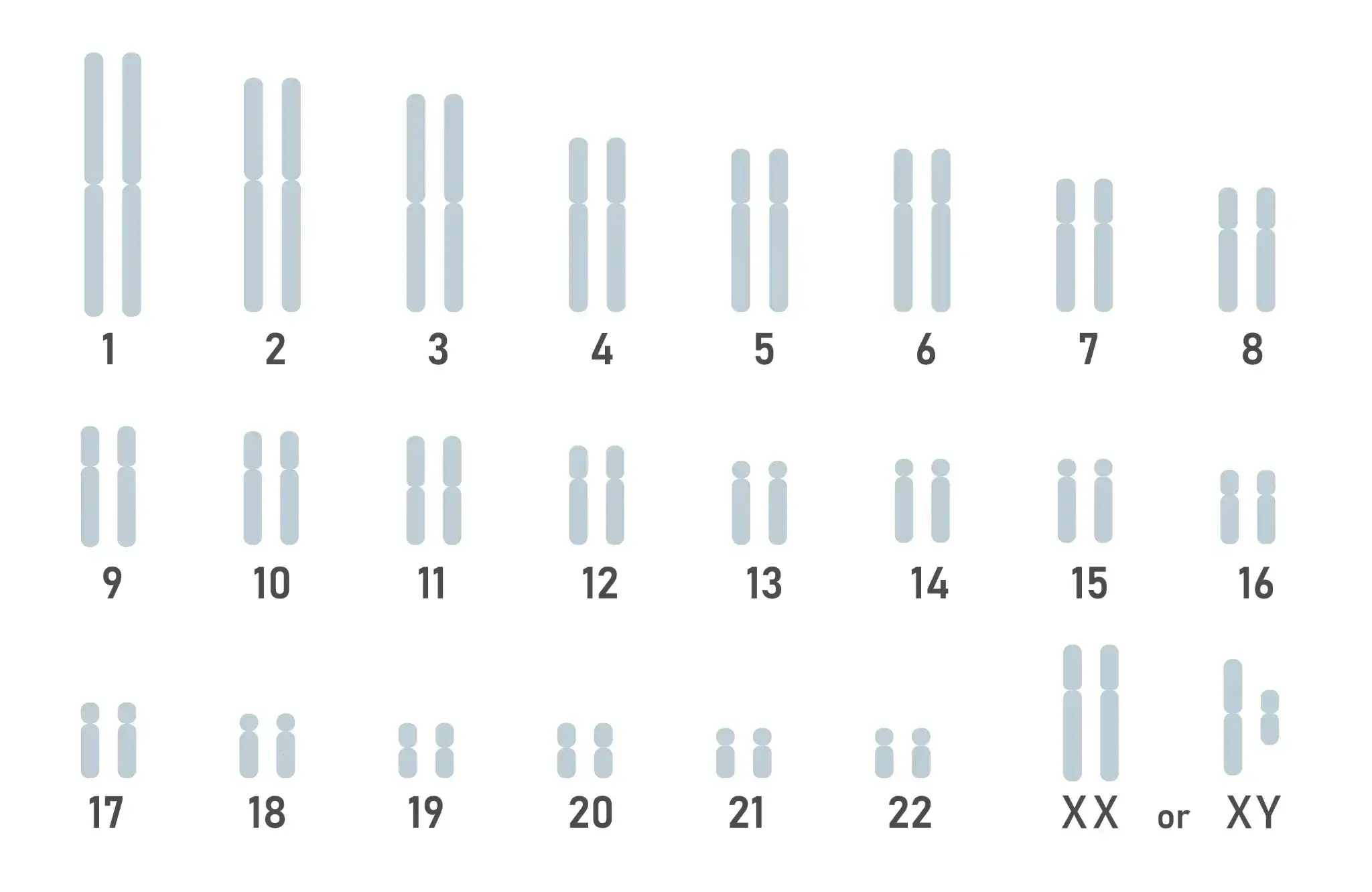
Schematic diagram of DNA map present in cells
- ■
- ■
- ■
- ■
- ■
- ■
- ■
- ■
- ■
Related genes
| Related genes | SETBP1 |
|---|---|
| Related genes | LINC03069 |
| Related genes | PCCA |
Frequently asked questions (FAQ)
Q1. What is your interest in smoking?
Interest in smoking is the degree of interest in the complex experience that an individual experiences when using tobacco products, including physical sensations, psychological states, and behavioral responses.Nicotine releases dopamine in the brain, which makes you feel relaxed and satisfied. Sensory stimulation and social aspects are also part of the smoking experience.
Q2. Is interest in smoking related to genes?
Yes.A study by Linnér et al. from the Vrije Universiteit Amsterdam found that the DNA region rs11876432 is associated with an interest in smoking.There are three genotypes of rs11876432: CC, CG, and GG, and people with the C mutation genotype tend to be more interested in smoking.
Q3. How many genetic regions are involved in interest in smoking?
The main genetic region associated with interest in smoking isthreeThere is. In addition to rs11876432, which has the strongest association, rs1549319 and rs3783177 have been identified. Each has a different genotype, which influences their interest in smoking behavior.
Q4. What is the distribution of the genotype of interest in smoking (rs11876432) among Japanese people?
The genotype distribution of rs11876432 in Japanese people isCC type 95.2%, CG type 4.6%, GG type 0.1%以下It is. Worldwide, 62.5% have the CC type, 33.0% have the CG type, and 4.3% have the GG type, and the Japanese have a prevalence of the CC type that is approximately 1.5 times higher than the world average.
References
- Reference link 1: 2019 Feb., Richard Karlsson Linnér, Nat Genet