
 sleep apnea syndrome
- Sleep apnea syndrome (SAS) is a disease in which breathing repeatedly stops during sleep.and is directly linked to the risk of serious complications such as high blood pressure, heart disease, stroke, and diabetes.
- T-type mutation in DNA region rs1815739QIMR Berghofer Medical Research Institute study finds that people with sleep apnea tend to have a higher risk of developing sleep apnea syndrome
- The T mutation (TT+TC) prevalence among Japanese people is73.4%This is a high percentage compared to the world average of 67.5%.
Overview Sleep apnea is a disorder in which breathing temporarily stops while you sleep. Apnea can last anywhere from a few seconds to several minutes, and can occur more than 30 times an hour. When apnea occurs, blood oxygen levels drop, causing a transition from deep sleep to light sleep or waking up in the middle of sleep, worsening the quality of sleep. There are two main types of sleep apnea. The common type of obstructive sleep apnea (OSA) is caused when the soft tissue in your throat collapses and blocks your airway. The other type, central sleep apnea, occurs because the instructions from the medulla that control breathing are unstable. A characteristic of sleep apnea is that after breathing stops, breathing resumes with loud snoring or coughing. This disease is accompanied by symptoms such as morning headaches, daytime sleepiness, decreased alertness, irritability, and depression. In severe cases, it can increase your risk of high blood pressure, heart disease, diabetes, and stroke. A sleep study is used for diagnosis, and options for treatment include lifestyle changes, the use of a CPAP machine (continuous positive airway pressure), and, in severe cases, surgery. A study by Campos et al. of the QIMR Berghofer Institute for Medical Research revealed that the risk of developing sleep apnea syndrome is associated with a DNA region called rs1815739. There are three genotypes in this DNA region: TT, TC, and CC, and it was found that people with the T genotype tend to have a higher risk of sleep apnea syndrome.
What is sleep apnea syndrome?
Sleep Apnea Syndrome (SAS) Syndrome is a disease in which breathing repeatedly pauses during sleep.Apnea can last from several seconds to several minutes, and can occur more than 30 times an hour. Blood oxygen levels decrease and sleep quality deteriorates significantly.
What are the two types of sleep apnea syndrome?
Sleep apnea syndrome is classified into two types depending on the cause. The generation mechanism and characteristics of each are as follows.
| Comparison items | Obstructive sleep apnea (OSA) | central sleep apnea |
|---|---|---|
| incidence rate | Accounts for approximately 84% of the total | Rare, about 0.9% of the total |
| cause | The soft tissue of the throat collapses and the airway becomes obstructed. | Breathing instructions from the medulla oblongata are unstable |
| Main symptoms | Loud snoring/coughing | Breathing cessation (snoring is rare) |
| risk factors | Obesity/Aging/Drinking | History of heart failure/stroke |
Main symptoms of sleep apnea syndrome
- Symptoms at night:Resumption of breathing due to loud snoring and coughing after stopping breathing
- Morning symptoms:Headache, dry mouth, fatigue
- Daytime symptoms:Excessive sleepiness, decreased attention span, irritability, and depression symptoms
Risk of complications caused by sleep apnea syndrome
Untreated sleep apnea increases the following serious health risks:
- Cardiovascular system:Risk of developing high blood pressure, heart disease, and arrhythmia increases by 2 to 4 times
- Metabolic system:Increased risk of developing type 2 diabetes
- Cerebrovascular system:Stroke risk nearly doubles
- Accident risk:The risk of traffic accidents due to daytime sleepiness increases approximately 2.5 times
Diagnosis and treatment of sleep apnea syndrome
For diagnosisOvernight polysomnography (PSG)will be carried out. Treatment options include the following depending on the severity:
- CPAP therapy:Standard treatment using continuous positive airway pressure (for moderate to severe cases)
- Mouthpiece therapy:Secure the airway by fixing the lower jaw forward (for mild to moderate cases)
- Improving lifestyle habits:Lose weight, stop drinking, make it a habit to sleep on your side
- Surgery:Uvulopalatopharyngoplasty (UPPP), etc. (severe cases)
The relationship between genes and sleep apnea syndrome
Relationship between DNA region rs1815739 and sleep apnea syndrome
A study by Campos et al. from QIMR Berghofer Medical Research Institute (published in Sleep magazine in 2023) revealed that the risk of developing sleep apnea syndrome is associated with the DNA region rs1815739.
- There are three genotypes of rs1815739: TT, TC, and CC.
- Genotype with T-type mutation(TT type/TC type) people tend to have a higher risk of sleep apnea syndrome
- This gene region is related to the ACTN3 gene
Comparison of genotype distribution in Japanese and the world (rs1815739)
| Genotype | Percentage of Japanese people | percentage of the world |
|---|---|---|
| TT type | 23.5% | 18.5% |
| TC type | 49.9% | 49.0% |
| CC type | 26.4% | 32.3% |
The T mutation prevalence rate (TT+TC) in Japanese people is73.4%, which is higher than the global average of 67.5%. On the other hand, the percentage of Japanese people with type CC is26.4%This is lower than the world average of 32.3%, and the Japanese population exhibits genetic characteristics with a high proportion of T-type mutations associated with the risk of sleep apnea syndrome.
Rationale for testing
Physical DNA region: sleep apnea syndrome
The gene region that most strongly affects sleep apnea syndrome is rs1815739. The distribution of isomorphic genotypes in Japan is as follows.
- TT
23.5 % - TC
49.9 % - CC
26.4 %
Basis for inspection
A study by Campos and colleagues at the QIMR Berghofer Institute for Medical Research revealed that the risk of developing sleep apnea syndrome is linked to genes. There is a region called rs1815739 in the human genome, and there are two types of mutations, T and C, in the gene in this region. It was found that people with the T-type mutation tend to have a higher risk of sleep apnea.
The DNA region investigated this time
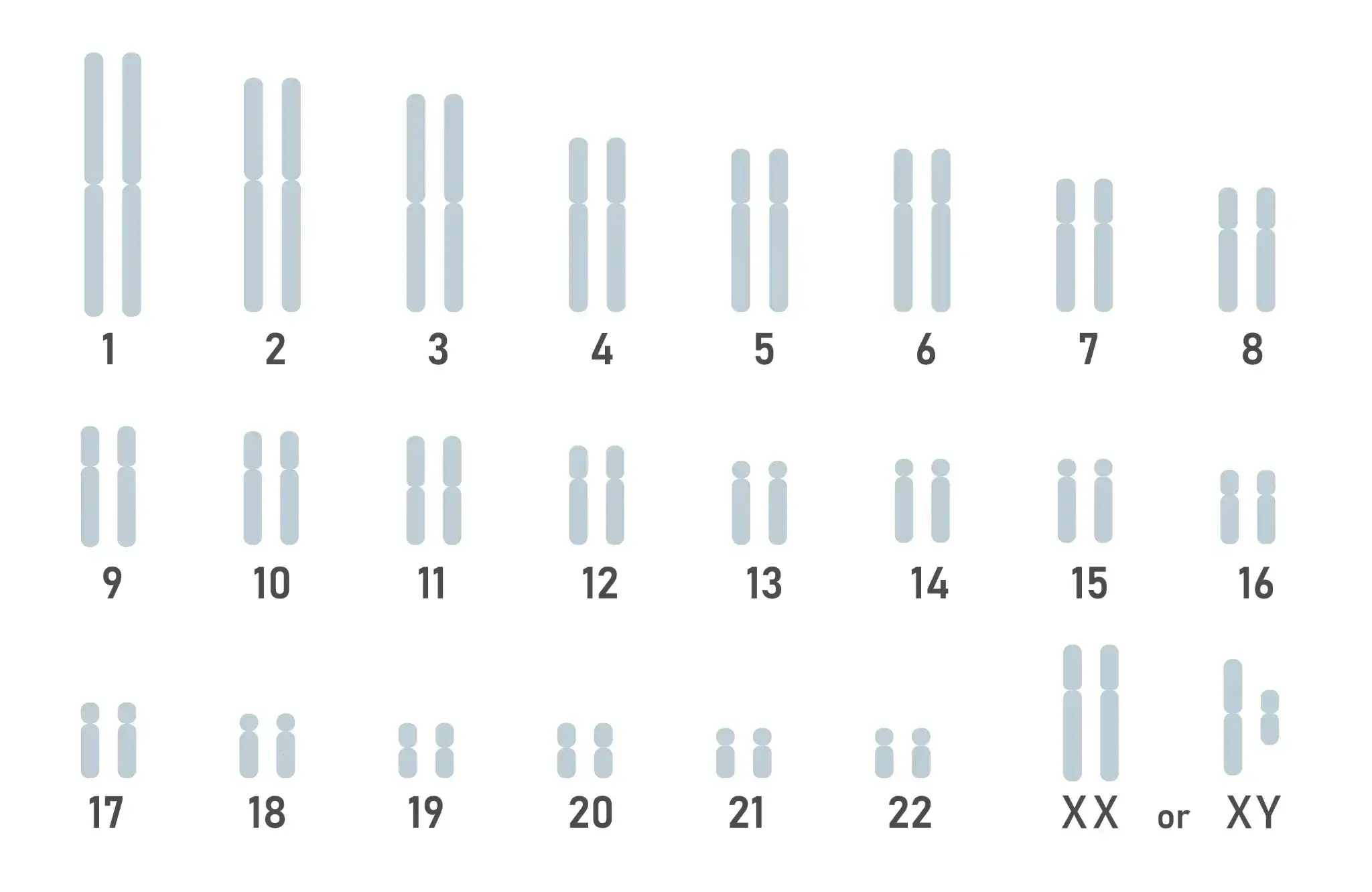
Schematic diagram of DNA map present in cells
- ■
- ■
- ■
- ■
- ■
- ■
- ■
- ■
- ■
Related genes
| Related genes | ACTN3 |
|---|
Frequently asked questions (FAQ)
Q1. What is sleep apnea syndrome?
Sleep apnea syndrome (SAS) is a disorder in which breathing repeatedly pauses during sleep.Apnea can last from several seconds to several minutes, and can occur more than 30 times an hour. There are two types: obstructive (OSA) and central, and if untreated, the risk of high blood pressure, heart disease, diabetes, and stroke increases.
Q2. Is sleep apnea syndrome related to genes?
Yes.A study by Campos et al. (2023, Sleep magazine) from QIMR Berghofer Medical Research Institute found that the DNA region rs1815739 is associated with the risk of developing sleep apnea syndrome.There are three genotypes of rs1815739: TT, TC, and CC, and people with the T mutation genotype tend to be at higher risk.
Q3. What is the distribution of the genotype (rs1815739) related to sleep apnea syndrome in Japanese people?
The genotype distribution of rs1815739 in Japanese people isTT type 23.5%, TC type 49.9%, CC type 26.4%It is. Worldwide, 18.5% are TT type, 49.0% are TC type, and 32.3% are CC type, and Japanese people have a higher prevalence of T type mutation (73.4%) than the world average (67.5%).
Q4. What treatments are available for sleep apnea syndrome?
The most widely used standard treatment is CPAP therapy (continuous positive airway pressure)It is. Other options include mouthpiece therapy, lifestyle changes (weight loss, abstinence from drinking, sleeping on your side), and in severe cases, surgery (such as uvula and soft palate pharyngoplasty). Diagnosis involves overnight polysomnography (PSG).
References
- Reference link 1: 2023 Mar., Adrian I Campos, Sleep