
 skin color
- Skin color is a physical characteristic determined by the amount, type, and distribution of melanin pigment.The balance between the two types of eumelanin and pheomelanin determines skin tone.
- DNA region rs1426654・rs1448484・rs16891982・rs1800414Four genetic variations linked to skin color, scientifically proven in University of Toronto research
- The prevalence of rs1426654 GG type in Japanese people is99.0%This is an overwhelmingly high percentage compared to the world average of 0.6%.
Overview Skin color is a characteristic determined primarily by the amount, type, and distribution of the pigment melanin, which is produced within the epidermis (the outermost layer of the skin). Melanin is produced by cells called melanocytes and is influenced by genetics, hormones, environment, and age. Skin color varies between individuals and groups and is influenced by evolution, geography, and ancestry. The main melanins are eumelanin (brown to black) and pheomelanin (red to yellow), and the balance between them determines skin color. Historically, areas with high UV radiation evolved darker skin, and areas with lower UV levels evolved lighter skin. In scientific research, skin color is quantitatively evaluated by evaluating UV response or by measuring melanin. This increases our understanding of human diversity in skin color, health, and susceptibility to disease. A study by Lona-Durazo and colleagues at the University of Toronto in Mississauga revealed that skin color is associated with a DNA region called rs1426654. There are three genotypes in this DNA region: AA, AG, and GG, and it was found that people with the G genotype tend to have lighter skin color.
what is skin color
Skin color is a human physical characteristic determined by the amount, type, and distribution of melanin pigment produced by melanocytes in the epidermis.The amount of melanin produced is controlled by four factors: genetics, hormones, UV environment, and age.
What is the relationship between melanin pigment types and skin color?
There are two types of melanin pigments, and their ratio determines skin tone.
| Types of melanin | tone | role |
|---|---|---|
| eumelanin | brown to black | Strong ability to protect DNA from ultraviolet rays |
| pheomelanin | red to yellow | UV protection is lower than eumelanin |
People with a high proportion of eumelanin have dark skin, and people with a high proportion of pheomelanin have bright skin.
Evolutionary background of skin color
Skin color evolved to adapt to geographic environment.
- High UV region (near the equator):Darker skin tone evolves and folic acid protects from UV rays
- Low UV region (high latitude region):Evolves bright skin tone and ensures vitamin D synthesis
This trade-off (folate protection vs. vitamin D synthesis) is the evolutionary selective pressure that has created the diversity of human skin colors.
Scientific evaluation method of skin color
Skin color is quantitatively evaluated using the following method:
- Spectrophotometry:How to optically measure the amount of melanin
- MED (minimum erythema dose) measurement:How to assess skin response to UV irradiation
- Fitzpatrick classification:International standard that classifies skin color into 6 types
The relationship between genes and skin color
Relationship between DNA region rs1426654 and skin color
A study by Lona-Durazo and colleagues at the University of Toronto (Mississauga) (published in BMC Genetics in 2019) revealed that skin color is associated with the DNA region rs1426654.
- There are three genotypes of rs1426654: AA, AG, and GG.
- Genotype with type G mutationPeople with type GG and type AG tend to have lighter skin.
- This gene region is related to the SLC24A5 gene
Comparison of genotype distribution in Japanese and the world (rs1426654)
| Genotype | Percentage of Japanese people | percentage of the world |
|---|---|---|
| AA type | 0.1%以下 | 85.0% |
| AG type | 0.9% | 14.3% |
| GG type | 99.0% | 0.6% |
The G mutation prevalence rate (GG+AG) in Japanese people is99.9%This is an overwhelmingly high percentage compared to the world average of 14.9%. This result reflects the genetic characteristics of the East Asian population.
Comparison of four DNA regions related to skin color
| DNA region | Related genes | Main types of Japanese people | Major types in the world |
|---|---|---|---|
| rs1426654 | SLC24A5 | GG type 99.0% | AA type 85.0% |
| rs1448484 | OCA2 | AA type 99.9% | AA type 91.2% |
| rs16891982 | SLC45A2 | CC type 99.9% | GG type 74.9% |
| rs1800414 | OCA2 | TC type 48.9% | TT type 98.2% |
Rationale for testing
Superficial DNA region: skin color
The gene region that most strongly influences skin color is rs1426654. The distribution of isomorphic genotypes in Japan is as follows.
- AA
0.1%以下 - AG
0.9 % - GG
99.0 %
Another gene region related to skin color is rs1448484. The distribution of isomorphic genotypes in Japan is as follows
- AA
99.9 % - AG
0.1%以下 - GG
0.1%以下
Another gene region related to skin color is rs16891982. The distribution of isomorphic genotypes in Japan is as follows
- CC
99.9 % - CG
0.1%以下 - GG
0.1%以下
Another gene region related to skin color is rs1800414. The distribution of isomorphic genotypes in Japan is as follows
- TT
18.3 % - TC
48.9 % - CC
32.7 %
Basis for inspection
A study by Lona-Durazo and colleagues at the University of Toronto in Mississauga revealed that skin color is linked to genes. There is a region called rs1426654 in the human genome, and there are two types of mutations, A and G, in the gene in this region. It was found that people with the type A mutation tend to have lighter skin color.
The DNA region investigated this time
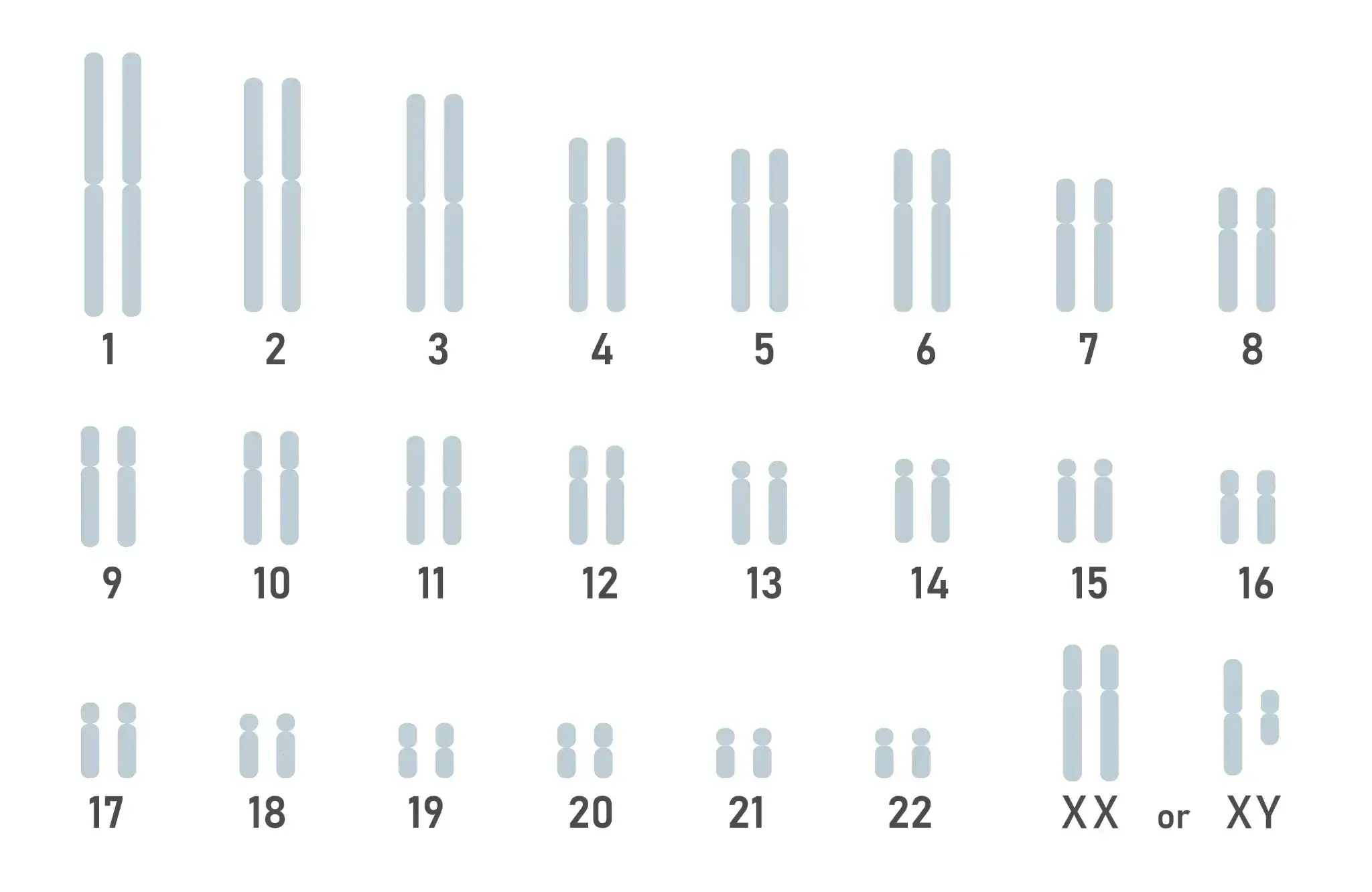
Schematic diagram of DNA map present in cells
- ■
- ■
- ■
- ■
- ■
- ■
- ■
- ■
- ■
Related genes
| Related genes | SLC24A5 |
|---|---|
| Related genes | OCA2 |
| Related genes | SLC45A2 |
| Related genes | OCA2 |
Frequently asked questions (FAQ)
Q1. What is skin color?
Skin color is a human physical characteristic determined by the amount, type, and distribution of melanin pigment produced by melanocytes in the epidermis.There are two types of melanin: eumelanin (brown to black) and pheomelanin (red to yellow), and the balance between them determines skin tone. Four factors affect the amount of melanin produced: genetics, hormones, UV environment, and age.
Q2. Is skin color related to genes?
Yes.A study by Lona-Durazo et al. (2019, BMC Genetics) from the University of Toronto (Mississauga) revealed that skin color is associated with the DNA region rs1426654.Furthermore, three genetic regions, rs1448484, rs16891982, and rs1800414, are also involved in skin color. People with the G mutation genotype tend to have lighter skin.
Q3. What is the distribution of skin color genotype (rs1426654) in Japanese people?
The genotype distribution of rs1426654 in Japanese people isAA type 0.1%以下, AG type 0.9%, GG type 99.0%It is. Worldwide, 85.0% are type AA, 14.3% are type AG, and 0.6% are type GG.The proportion of type GG in Japanese people is overwhelmingly higher than the world average, reflecting the genetic characteristics of the East Asian population.
Q4. What is the relationship between the type of melanin pigment and skin color?
For melanin pigmentEumelanin (brown to black pigment)andPheomelanin (red to yellow pigment)There are two types. People with a high proportion of eumelanin have dark skin, and people with a high proportion of pheomelanin have bright skin. This balance is determined genetically.
Q5. What is the evolutionary background of skin color?
In areas near the equator where UV (ultraviolet) radiation is highEvolution of dark skin toneHowever, in high latitude areas where UV levels are low,Evolution of bright skin toneI did. This is the result of the trade-off between ensuring vitamin D synthesis and protecting folic acid acting as an evolutionary selective pressure.
References
- Reference link 1: 2019 Jul., Frida Lona-Durazo, BMC Genet
- Reference link 2: 2017 Mar., Natalia Hernandez-Pacheco, Sci Rep
- Reference link 3: 2022 Apr., Fudi Wang, J Invest Dermatol