
 Severity of sunitinib side effects (hypertension)

- Sunitinib is a tyrosine kinase inhibitor that inhibits the VEGF pathway, high blood pressure frequently occurs as a side effect.
- G-type mutation in DNA region rs1128503Study finds that people with this condition tend to be at higher risk of side effects (hypertension)
- under treatmentRegular blood pressure monitoring and management with antihypertensive drugsis essential to prevent cardiovascular complications
Overview The drug sunitinib is an oral tyrosine kinase inhibitor that is widely used, particularly in the treatment of renal cell carcinoma and gastrointestinal stromal tumors, but one of its side effects, hypertension, is a major concern. This hypertension is more than just a slight increase in blood pressure and often requires medical intervention. Specifically, sunitinib-induced hypertension often involves systolic and diastolic blood pressures above the normal range and requires careful monitoring and care. The mechanism of sunitinib-induced hypertension is complex and involves the drug's action on the vascular endothelial growth factor (VEGF) pathway. VEGF plays an important role in regulating blood pressure by maintaining endothelial function and promoting vasodilation, and sunitinib's inhibition of VEGF leads to endothelial dysfunction, decreased nitric oxide production, vasoconstriction, and increased vascular resistance, resulting in increased blood pressure. Patients taking sunitinib may experience symptoms associated with high blood pressure, such as headache, dizziness, blurred vision, and shortness of breath, but some people may have no symptoms. Blood pressure monitoring before and during sunitinib treatment is essential, as uncontrolled hypertension includes the potential for worsening cardiovascular complications and renal dysfunction. Care strategies may include the introduction or adjustment of antihypertensive medications and possibly dose changes or suspension of sunitinib. Therefore, hypertension observed in patients receiving sunitinib therapy is a therapeutic challenge that requires careful care to reduce cardiovascular risks and ensure therapeutic efficacy. A study by Sun et al. at the Army Medical University revealed that sunitinib's side effects are associated with a DNA region called rs1128503. There are three genotypes in this DNA region: AA, AG, and GG, and it was found that people with the G genotype tend to have a higher risk of sunitinib side effects.
What are the side effects of sunitinib (hypertension)?
Hypertension, a side effect of sunitinib, is a drug-induced side effect that pathologically increases blood pressure due to inhibition of the VEGF (vascular endothelial growth factor) pathway.Sunitinib, an oral tyrosine kinase inhibitor, is used to treat renal cell carcinoma and gastrointestinal stromal tumors, but hypertension is an important treatment challenge.
Reasons and mechanisms of hypertension caused by sunitinib
The mechanism by which sunitinib causes hypertension is as follows.
- VEGF inhibition:Sunitinib suppresses the VEGF signaling pathway
- Endothelial dysfunction:Normal function of vascular endothelial cells decreases
- Reduced nitric oxide (NO) production:Decreased production of NO, which promotes vasodilation
- Vasoconstriction/increased vascular resistance:Peripheral blood vessels constrict and vascular resistance increases
These chain reactions cause systolic and diastolic blood pressure to rise above normal limits.
Main symptoms of sunitinib side effects (hypertension)
The following symptoms have been reported to be associated with high blood pressure: However,There are also asymptomatic patients.Therefore, regular blood pressure measurements are essential.
- headache
- dizziness
- blurred vision
- shortness of breath
Risks of uncontrolled hypertension
Uncontrolled high blood pressure can lead to the following complications:
- cardiovascular complications(myocardial infarction, stroke, etc.)
- Worsening renal dysfunction
How to manage sunitinib side effects (hypertension)
| management measures | Specific content |
|---|---|
| blood pressure monitoring | Regular blood pressure measurements before and during treatment |
| Introduction of antihypertensive drugs | Administration and adjustment of ACE inhibitors, ARBs, Ca antagonists, etc. |
| Dose adjustment | Dose change or suspension of sunitinib |
Relationship between genes and sunitinib side effects (hypertension)
Relationship between DNA region rs1128503 and risk of side effects
A study by Sun et al. (1) from the Army Medical University revealed that the DNA region rs1128503 is associated with the risk of sunitinib side effects (hypertension).
- There are three genotypes of rs1128503: AA, AG, and GG.
- Genotype with type G mutationpeople tend to be at higher risk of side effects
Genotype distribution in the Japanese and the world (rs1128503)
| Genotype | Percentage of Japanese people | percentage of the world |
|---|---|---|
| AA type | 36.1% | 17.8% |
| AG type | 47.9% | 48.8% |
| GG type | 15.9% | 33.3% |
Rationale for testing
Surface DNA region: severity of sunitinib side effects (hypertension)
The gene region that most strongly influences the severity of sunitinib side effects (hypertension) is rs1128503. The distribution of isomorphic genotypes in Japan is as follows.
- AA
36.1 % - AG
47.9 % - GG
15.9 %
Basis for inspection
A study by Sun et al. at the Army Medical University revealed that sunitinib's side effects are genetically related. There is a region called rs1128503 in the human genome, and there are two types of mutations, A and G, in the gene in this region. We found that people with the G mutation tend to be at higher risk for sunitinib side effects (1).
The DNA region investigated this time
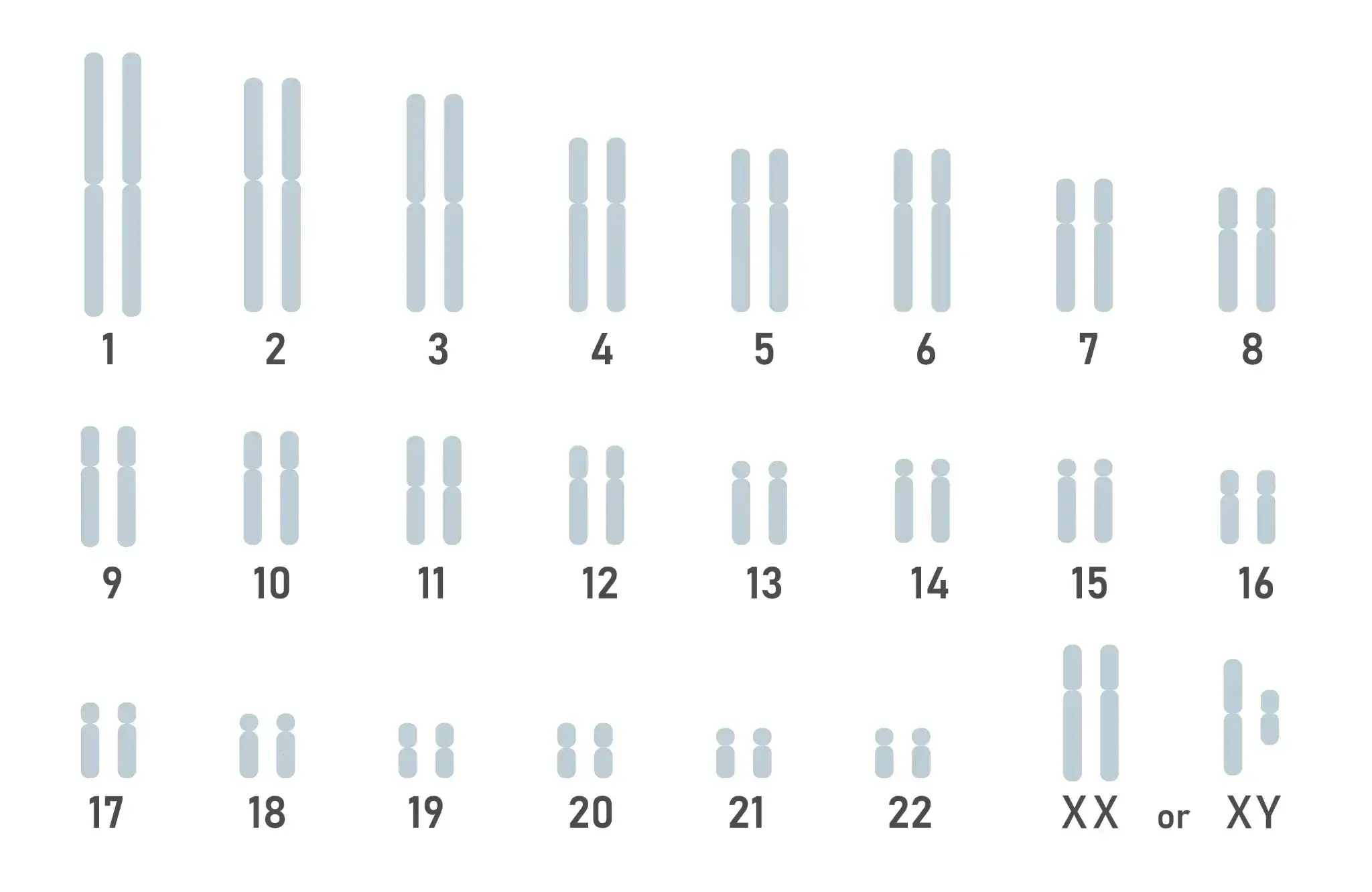
Schematic diagram of DNA map present in cells
- ■
- ■
- ■
- ■
- ■
- ■
- ■
- ■
- ■
Related genes
| Related genes | ABCB1 |
|---|
Frequently asked questions (FAQ)
Q1. What is hypertension due to sunitinib side effects?
Sunitinib (oral tyrosine kinase inhibitor) is a drug used to treat renal cell carcinoma and gastrointestinal stromal tumors, and high blood pressure frequently occurs as a side effect.Inhibition of the VEGF pathway causes endothelial dysfunction, decreased nitric oxide, and vasoconstriction, leading to increased systolic and diastolic blood pressure (1).
Q2. What is the mechanism by which sunitinib causes hypertension?
sunitinibInhibits VEGF (vascular endothelial growth factor)This results in endothelial dysfunction, decreased nitric oxide (NO) production, vasoconstriction, and increased peripheral vascular resistance, leading to increased blood pressure (1).
Q3. Can the risk of sunitinib side effects be determined through genetic testing?
By examining the genotype of DNA region rs1128503,Understand risk trends for sunitinib side effects (hypertension)You can. Studies have shown that people with the G mutation genotype tend to be at higher risk (1).
Q4. How can high blood pressure be managed with sunitinib?
Before and during treatmentRegular blood pressure monitoringis essential. For management, administer antihypertensive drugs (ACE inhibitors, ARBs, Ca antagonists, etc.), and as needed.Dose adjustment/temporary suspension of sunitinibContains (1).
References
- Reference link 1: 2021 Mar., Fengjun Sun, Front Pharmacol