
 Severity of methotrexate side effects (mucositis)

- Mucositis, a side effect of methotrexate (MTX), causes inflammation and ulcers in the oral and gastrointestinal mucosa.is a symptom
- Type A mutation in DNA region rs1128503Research has found that people with this condition tend to have a higher risk of developing severe mucositis.
- The prevalence of type AA in Japanese people is36.1%, approximately twice as high as the world average (17.8%)
Overview Methotrexate is a drug used to treat a variety of illnesses. Although it was first developed to treat cancer, it is now widely used to treat autoimmune diseases and rheumatoid arthritis. This drug has the effect of suppressing cell division and suppresses the growth of cancer cells. It also has the effect of suppressing excessive immune reactions against autoimmune diseases. Although it is an effective treatment, it has side effects mainly on the digestive system, liver, and blood. Gastrointestinal side effects include mucocytosis (painful inflammation and ulceration of the mucous membrane lining the gastrointestinal tract), nausea, vomiting, diarrhea, and stomatitis. It also has an effect on the liver, and long-term use or high doses may cause liver dysfunction. Blood side effects include anemia and decreased white blood cell counts, making you more susceptible to infections. While methotrexate is a highly effective treatment, if you experience any side effects, it is important to consult your doctor immediately. A study by Gong et al. from Huazhong University of Science and Technology revealed that the side effects of methotrexate are associated with a DNA region called rs1128503. There are three genotypes in this DNA region: AA, AG, and GG, and it was found that people with the A genotype tend to have a higher risk of side effects from methotrexate.
What are the side effects of methotrexate (mucositis)?
Methotrexate (MTX) is an anti-metabolite drug widely used in cancer treatment, rheumatoid arthritis, and autoimmune diseases, and can cause mucositis as a side effect.Mucositis is a condition in which painful inflammation and ulcers develop in the mucous membranes that line the gastrointestinal tract.
Mechanism of action of methotrexate
Methotrexate is a drug that has two actions:
- Cell division inhibitory effect:Inhibits cancer cell proliferation and suppresses tumor growth
- Immunosuppressive effect:Suppressing excessive immune responses in autoimmune diseases
Classification of main side effects of methotrexate
| Side effect category | specific symptoms | severity |
|---|---|---|
| digestive system | Mucositis, nausea, vomiting, diarrhea, stomatitis | Medium to high |
| liver | Liver dysfunction (during long-term/high-dose use) | Medium to high |
| blood | Anemia, leukopenia, infectious susceptibility | high |
What are the symptoms of mucositis?
Mucositis is inflammation and ulceration that occurs in the mucous membranes that line the digestive tract (from the oral cavity to the intestinal tract).The following symptoms are characteristic.
- Pain, swelling, and redness in the oral cavity
- Dysphagia (difficulty swallowing)
- Ulceration of the gastrointestinal tract
- Difficulty getting nutrition
What to do if side effects occur
While methotrexate has a high therapeutic effect, if side effects occur,Consult your doctor immediatelyis important. Dose adjustment or switching to an alternative drug may be considered.
Relationship between genes and methotrexate side effects (mucositis)
Relationship between DNA region rs1128503 and mucositis risk
A study by Gong et al. (2021) from Huazhong University of Science and Technology found that the DNA region rs1128503 was associated with the severity of methotrexate side effects (mucositis).
- There are three genotypes of rs1128503: AA, AG, and GG.
- Genotype with type A mutation(AA type/AG type) people tend to have a higher risk of severe mucositis.
Genotype distribution comparison between Japanese and the world (rs1128503)
| Genotype | Percentage of Japanese people | percentage of the world |
|---|---|---|
| AA type | 36.1% | 17.8% |
| AG type | 47.9% | 48.8% |
| GG type | 15.9% | 33.3% |
Rationale for testing
Surface DNA region: severity of methotrexate side effects (mucositis)
The gene region that most strongly influences the severity of methotrexate side effects (mucositis) is rs1128503. The distribution of isomorphic genotypes in Japan is as follows.
- AA
36.1 % - AG
47.9 % - GG
15.9 %
Basis for inspection
A study by Gong et al. from Huazhong University of Science and Technology revealed that the side effects of methotrexate are linked to genes. There is a region called rs1128503 in the human genome, and there are two types of mutations, A and G, in the gene in this region. It was found that people with type A mutations tend to be at higher risk of methotrexate side effects.
The DNA region investigated this time
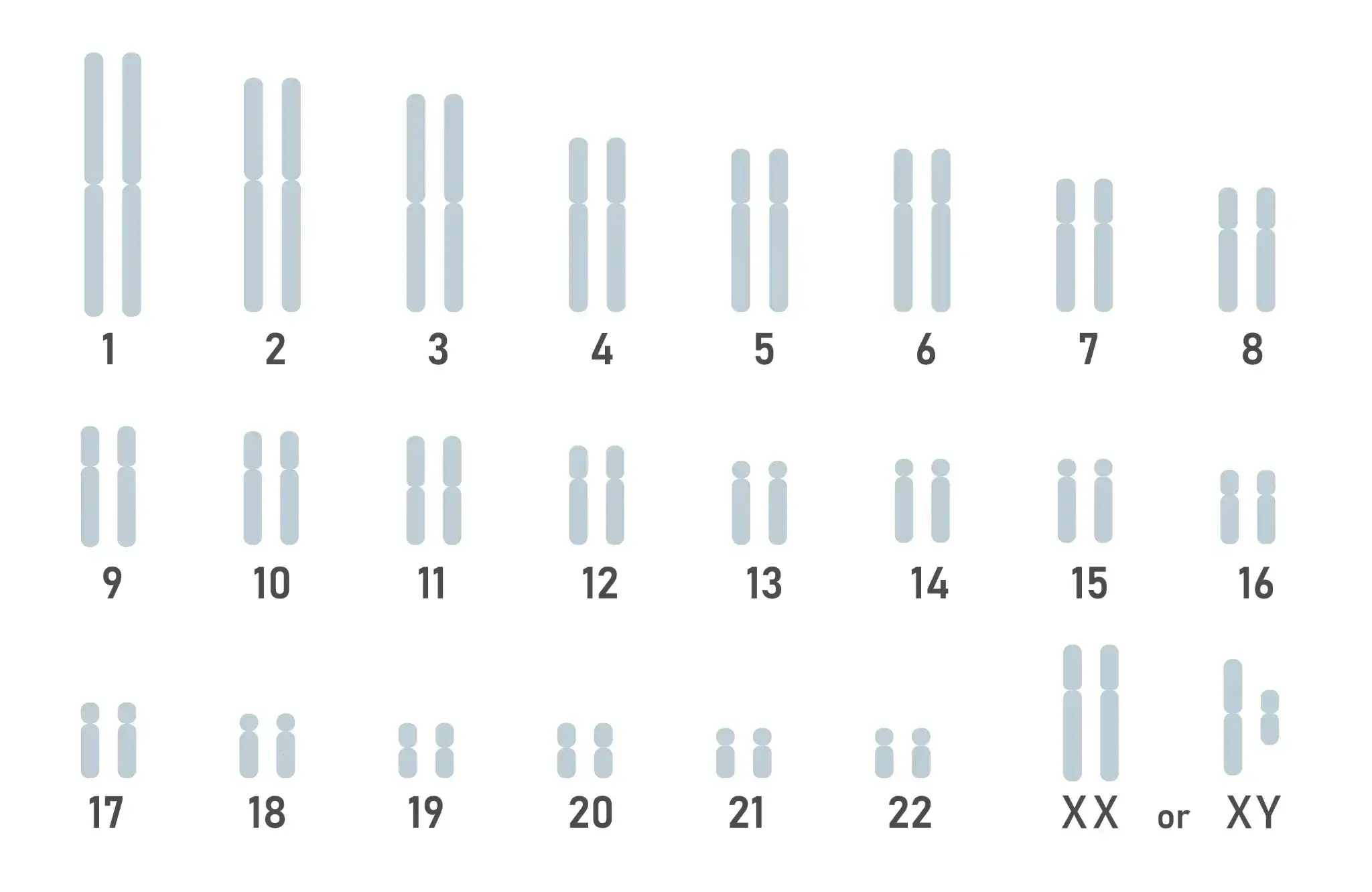
Schematic diagram of DNA map present in cells
- ■
- ■
- ■
- ■
- ■
- ■
- ■
- ■
- ■
Related genes
| Related genes | ABCB1 |
|---|
Frequently asked questions (FAQ)
Q1. What are the side effects (mucositis) of methotrexate?
Methotrexate (MTX) is an anti-metabolite drug used in cancer treatment and rheumatoid arthritis.Mucositis may occur as a side effect, causing painful inflammation and ulcers in the mucous membranes of the oral cavity and gastrointestinal tract.
Q2. Are genes related to the severity of mucositis?
According to a study by Gong et al. (2021) from Huazhong University of Science and Technology,DNA region rs1128503 is associated with severity of methotrexate side effect (mucositis)It turns out that it does. People with the type A mutation (AA type/AG type) tend to be at higher risk.
Q3. What are the side effects of methotrexate?
The main side effects aredigestive system(mucositis, nausea, vomiting, diarrhea, stomatitis),liver damage(liver dysfunction during long-term/high-dose use),blood abnormalityIt is classified into three types: (susceptible to infection due to anemia and decreased white blood cells).
Q4. What is the distribution of the rs1128503 genotype in Japanese people?
The genotype distribution of rs1128503 in Japanese people isAA type 36.1%, AG type 47.9%, GG type 15.9%It is. Compared to the world average (AA type 17.8%), the percentage of people with type AA tends to be about twice as high.
References
- Reference link 1: 2021 Dec., Yan Gong, J Clin Pharm Ther