
 Severity of side effects (diarrhea) of dabratinib

- Dabrafenib (dabratinib) is a drug used to treat certain skin cancers that may cause diarrhea as a side effect.
- C-type mutation in DNA region rs16999497People with this condition tend to be at higher risk of diarrhea as a side effect of dabrafenib.
- The prevalence of type C mutation in Japanese people (TC type 29.2% + CC type 3.1%) isHigher than the world average (TC type 4.1%)
Overview Dabrafenib is a drug used to treat certain skin cancers, but one of its possible side effects is diarrhea. This diarrhea refers to frequent movements of watery stools that are different from normal stools. Patients may experience mild to severe diarrhea and, in severe cases, signs of dehydration. Symptoms of diarrhea include abdominal cramps, discomfort, and an urgency to defecate, and dehydration may include thirst, decreased urine output, and dizziness. If you develop diarrhea while taking dabrafenib, it is important to stay hydrated and consult your health care professional. Your doctor may recommend dietary adjustments, over-the-counter remedies, and, if necessary, prescription drugs. Regular testing is necessary to care for side effects and ensure patient comfort. Research by Yeo et al. at the GSK Pharmaceutical Research Center revealed that the effects of dabrafenib are associated with a DNA region called rs16999497. There are three genotypes in this DNA region: TT, TC, and CC, and it was found that people with the C genotype tend to be more effective at dabrafenib.
What are the side effects (diarrhea) of dabrafenib?
Dabrafenib (dabratinib) is a targeted drug used to treat certain skin cancers (melanoma) that have BRAF mutations.Diarrhea has been reported as a side effect, and its severity is related to genetic factors.
What are the symptoms of diarrhea caused by dabrafenib?
Diarrhea that occurs when taking dabrafenib refers to frequent, watery bowel movements that are different from normal stools. Symptoms range in severity from mild to severe.
- Mild:Soft stools/increased number of bowel movements per day
- Moderate:Abdominal cramps/discomfort/urgency of defecation
- Severity:Signs of dehydration (dry mouth, decreased urine output, dizziness)
What to do if diarrhea occurs due to dabrafenib
If diarrhea occurs as a side effect, the following actions are recommended:
- Hydration:Frequent intake of oral rehydration solution and water
- Meal adjustment:Switching to easily digestible foods
- Over-the-counter medicines:Use antidiarrheal drugs under the direction of a doctor
- Medical consultation:In severe cases, consider changing the prescription drug or adjusting the dose.
It is important to have regular check-ups to manage side effects and ensure patient comfort.
Relationship between diarrhea severity and genes
A study by Yeo et al. (2017) at the GSK Pharmaceutical Research Center found that the severity of dabrafenib's side effects (diarrhea) was associated with the genotype of the DNA region rs16999497.
- There are three genotypes of rs16999497: TT, TC, and CC.
- Genotype with type C mutation(TC/CC) people tend to have a higher risk of side effects (diarrhea)
Comparison of Japanese and global genotype distributions
| Genotype | Percentage of Japanese people | percentage of the world |
|---|---|---|
| TT type | 67.6% | 95.7% |
| TC type | 29.2% | 4.1% |
| CC type | 3.1% | 0.1%以下 |
Japanese people are characterized by a significantly higher prevalence of type C mutation (TC type + CC type = 32.3%) compared to the world average (4.1%).
Rationale for testing
Surface DNA region: Severity of dabratinib side effects (diarrhea)
The gene region that most strongly influences the severity of dabratinib side effects (diarrhea) is rs16999497. The distribution of isomorphic genotypes in Japan is as follows.
- TT
67.6 % - TC
29.2 % - CC
3.1 %
Basis for inspection
Research by Yeo et al. at the GSK Pharmaceutical Research Center revealed that dabrafenib's effects are linked to genes. There is a region called rs16999497 in the human genome, and there are two types of mutations, T and C, in the gene in this region. We found that people with the T-type mutation tended to be more effective at dabrafenib.
The DNA region investigated this time
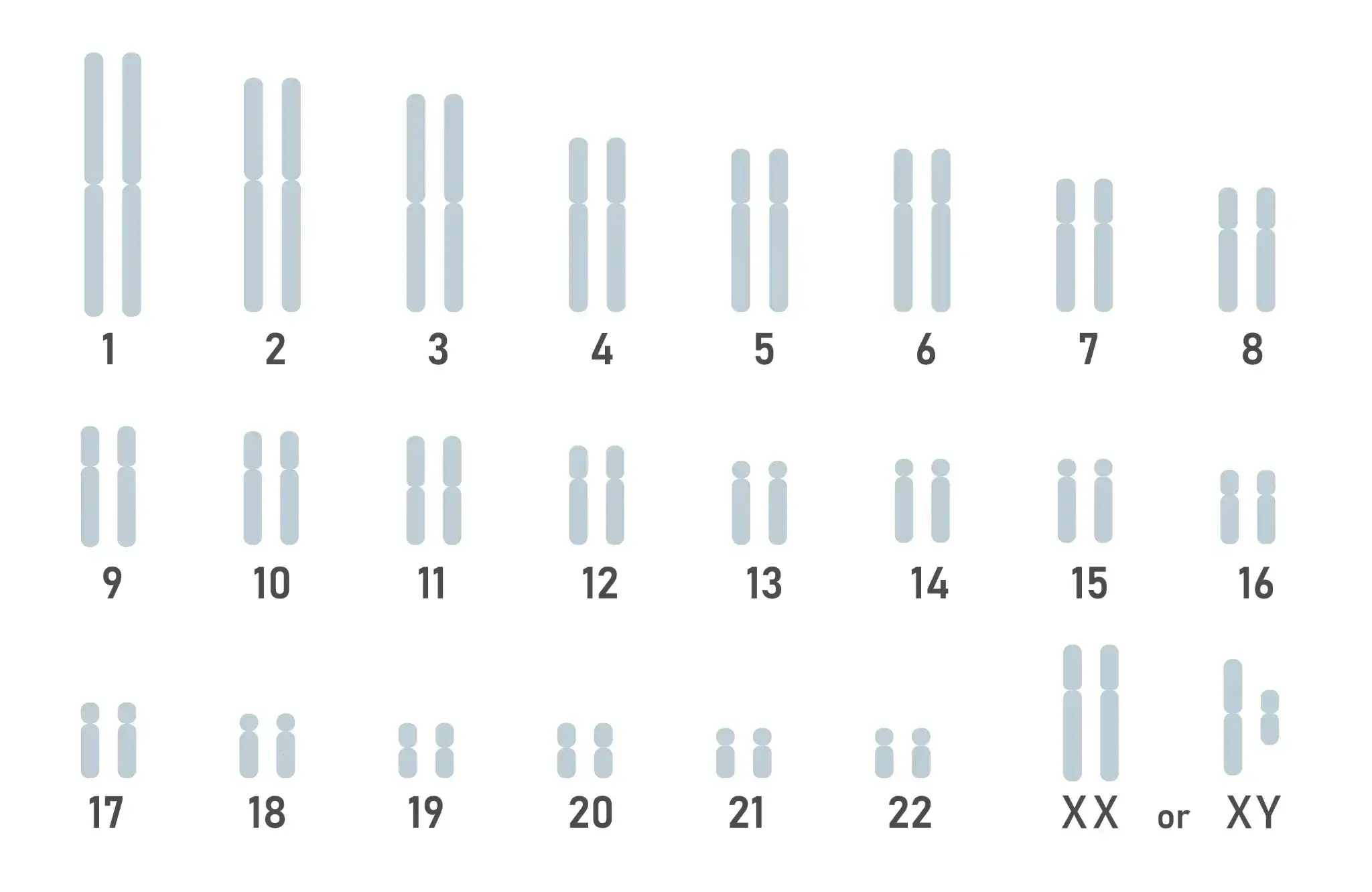
Schematic diagram of DNA map present in cells
- ■
- ■
- ■
- ■
- ■
- ■
- ■
- ■
- ■
Related genes
| Related genes | OCRL |
|---|
Frequently asked questions (FAQ)
Q1. Why does diarrhea occur as a side effect of dabrafenib?
Dabrafenib is a BRAF inhibitor that affects not only cancer cells but also normal signaling in the gastrointestinal mucosa, causing diarrhea as a side effect.Symptoms can range from mild to severe, and severe cases can lead to dehydration.
Q2. Are genes related to the severity of diarrhea caused by dabrafenib?
According to research by Yeo et al. at GSK Pharmaceutical Research Center,The genotype of the DNA region rs16999497 is associated with the severity of dabrafenib side effects (diarrhea)It turns out. People with the genotype C mutation tend to have a higher risk of side effects.
Q3. What should I do if diarrhea occurs with dabrafenib?
Stay hydrated and consult a medical professionalThat is the most important thing. Your doctor may adjust your diet, recommend antidiarrheal medications, and change or adjust the dosage of your prescribed medications if necessary. If you have signs of dehydration (dry mouth, decreased urine output, dizziness), please see your doctor immediately.
Q4. How is the genotype distribution of rs16999497 different between Japan and the rest of the world?
In Japan, the prevalence is 67.6% for TT, 29.2% for TC, and 3.1% for CC, while the worldwide prevalence is 95.7% for TT, 4.1% for TC, and 0.1%以下 for CC.Japanese people have a higher prevalence of type C mutation than the world averageIt has the following characteristics.
References
- Reference link 1: 2017 Jul., Astrid Yeo, PLoS One