
 Strength of side effects (thrombocytopenia) due to carboplatin and paclitaxel therapy

- Thrombocytopenia is a typical side effect of carboplatin/paclitaxel combination chemotherapy.This refers to a condition in which the platelet count drops to less than 150,000/μL.
- Type A mutation in DNA region rs1128503Study finds that people with the disease tend to be at higher risk of thrombocytopenia.
- Japanese rs1128503 genotype distribution isAA type 36.1%, AG type 47.9%, GG type 15.9%Approximately 84% carry type A mutation
Overview Thrombocytopenia refers to a low number of platelets in the blood. This can occur as a side effect of chemotherapy such as carboplatin and paclitaxel. Platelets play an important role in stopping bleeding. Normally, the platelet count ranges from 150,000 to 450,000; anything below this increases the risk of bleeding. When thrombocytopenia occurs after chemotherapy, several symptoms may occur. For example, even a minor bruise may bleed easily, or bleed for a long time, or bleed from the gums or nose. You may also experience heavy periods and small red spots on your body. The mechanism behind these symptoms is that chemotherapy drugs interfere with the bone marrow's ability to make platelets. This reduces the platelet count and increases the risk of bleeding, so treatment tailored to the situation may be required. A study by Ferracini et al. from the University of Campinas revealed that thrombocytopenia, a side effect of carboplatin and paclitaxel therapy, is associated with a DNA region called rs1128503. There are three genotypes in this DNA region: AA, AG, and GG, and it has been found that people with the A genotype tend to have a higher risk of thrombocytopenia.
What is thrombocytopenia caused by carboplatin-paclitaxel therapy?
Thrombocytopenia is one of the side effects of carboplatin and paclitaxel combination chemotherapy, and is a condition in which the number of platelets in the blood falls below the normal range.The normal value of platelets is 150,000 to 450,000/μL, and if it falls below this, the risk of bleeding increases.
Causes and mechanisms of thrombocytopenia
chemotherapy drugsSuppresses platelet production in bone marrowIt occurs by doing so. The specific mechanism is as follows.
- Bone marrow suppression:Carboplatin/paclitaxel acts on hematopoietic stem cells in the bone marrow and suppresses the proliferation and differentiation of megakaryocytes (platelet precursor cells).
- Platelet lifespan:Blood platelet concentration decreases because new platelet production cannot keep up with the normal lifespan of 8 to 10 days.
- Time of onset:Cases have been reported in which the lowest value (nadir) is reached 7 to 14 days after administration.
Main symptoms of thrombocytopenia
The following symptoms may appear depending on the degree of decrease in platelet count.
- Even a light bruisebleed more easily
- Prolonged bleeding time (takes time to stop bleeding)
- Bleeding from the gums and nose
- heavy menstruation (menorrhagia)
- of the skinpetechiae(small red spots)
Thrombocytopenia severity classification
| grade | Platelet count (/μL) | Clinical features |
|---|---|---|
| grade 1 | 75,000 to 150,000 | Mild decline, no symptoms |
| grade 2 | 50,000 to 75,000 | mild bleeding tendency |
| grade 3 | 25,000 to 50,000 | Increased risk of bleeding, therapeutic intervention required |
| grade 4 | Less than 25,000 | Severe bleeding risk, platelet transfusion required |
Association between genes and thrombocytopenia risk
Relationship between DNA region rs1128503 and risk of side effects
A study by Ferracini et al. (2021) from the University of Campinas found that the DNA region rs1128503 is associated with thrombocytopenia, a side effect of carboplatin-paclitaxel therapy.
- There are three genotypes of rs1128503: AA, AG, and GG.
- Genotype with type A mutation(AA/AG) people tend to have a higher risk of thrombocytopenia
- The related genes areABCB1(ATP-binding cassette sub-family B member 1)
Genotype distribution in Japanese (rs1128503)
| Genotype | Percentage of Japanese people | percentage of the world |
|---|---|---|
| AA type | 36.1% | 17.8% |
| AG type | 47.9% | 48.8% |
| GG type | 15.9% | 33.3% |
In JapaneseThe percentage of type AA is 36.1%This is approximately twice the world average (17.8%), and the total number of type A mutation carriers (AA+AG) reaches 84.0%.
Rationale for testing
Surface DNA region: Strength of side effects (thrombocytopenia) due to carboplatin and paclitaxel therapy
The gene region that most strongly influences the strength of side effects (thrombocytopenia) due to carboplatin and paclitaxel therapy is rs1128503. The distribution of isomorphic genotypes in Japan is as follows.
- AA
36.1 % - AG
47.9 % - GG
15.9 %
Basis for inspection
A study by Ferracini and colleagues at the University of Campinas revealed that thrombocytopenia, a side effect of carboplatin and paclitaxel therapy, is linked to genes. There is a region called rs1128503 in the human genome, and there are two types of mutations, A and G, in the gene in this region. It was found that people with type A mutations tend to have a higher risk of thrombocytopenia.
The DNA region investigated this time
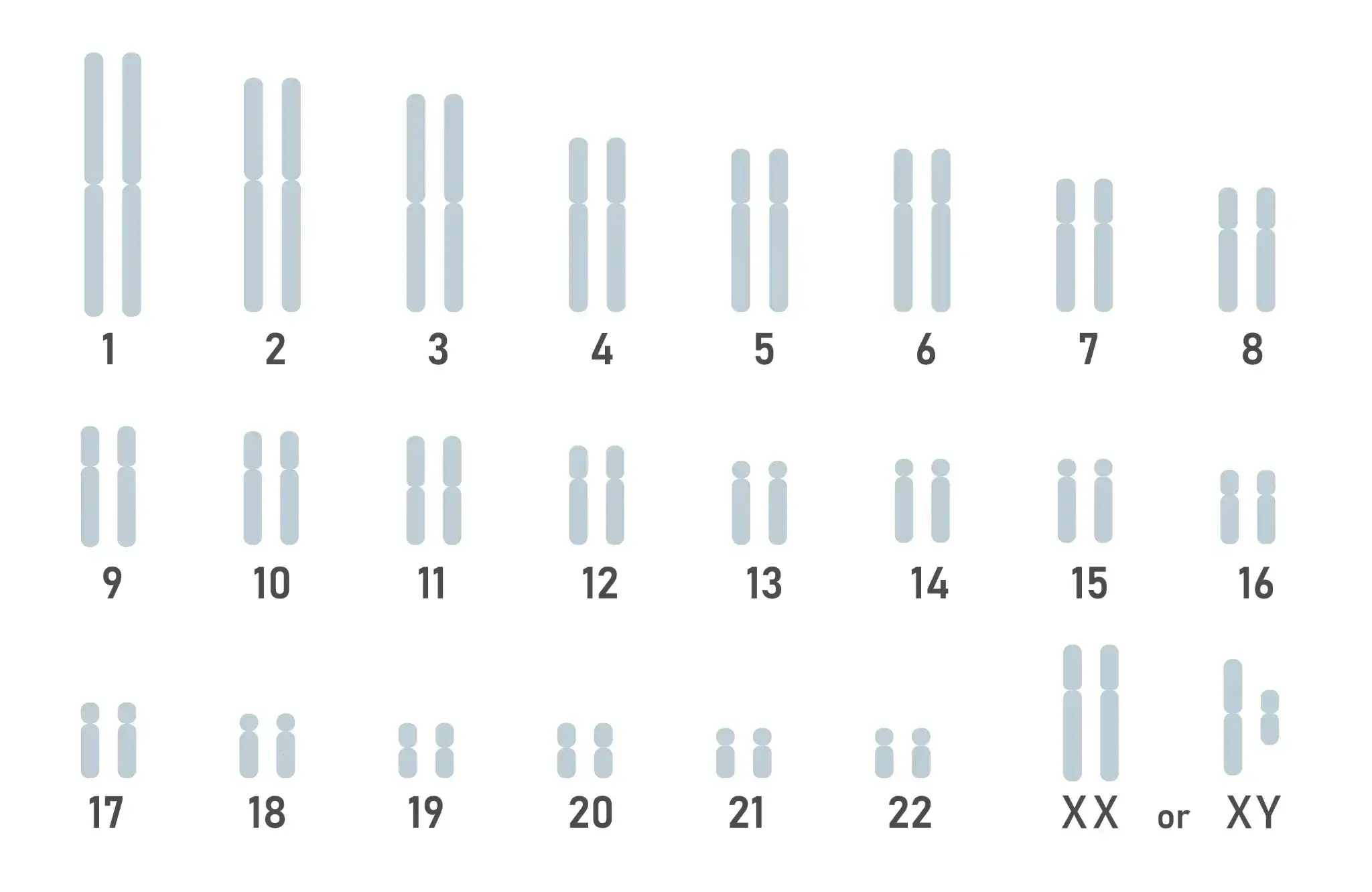
Schematic diagram of DNA map present in cells
- ■
- ■
- ■
- ■
- ■
- ■
- ■
- ■
- ■
Related genes
| Related genes | ABCB1 |
|---|
Frequently asked questions (FAQ)
Q1. What is thrombocytopenia caused by carboplatin and paclitaxel therapy?
Thrombocytopenia is one of the side effects of carboplatin and paclitaxel combination chemotherapy, and is a condition in which the platelet count falls below normal values (150,000 to 450,000/μL).Platelets are essential cells for hemostasis, and their decrease increases the risk of bleeding.
Q2. What are the causes and mechanisms of thrombocytopenia?
Chemotherapy drugs (carboplatin, paclitaxel)Suppresses platelet production in bone marrowIt occurs because of. Bone marrow suppression is a typical side effect of chemotherapy, with platelet counts reaching their lowest value 7 to 14 days after administration.
Q3. What is the relationship between genes and thrombocytopenia risk?
According to research by Ferracini et al. of the University of Campinas,Genotype with type A mutation in DNA region rs1128503It has been found that people on carboplatin-paclitaxel therapy tend to be at increased risk of thrombocytopenia.
Q4. What are the symptoms of thrombocytopenia?
Even a light bruisebleed more easily, prolonged bleeding time, bleeding from the gums and nose, heavy menstruation, skin irritation.petechiae(red spots) are typical symptoms.
References
- Reference link 1: 2021 Mar., Amanda Canato Ferracini, Clin Transl Sci