
 short term memory ability

- Short-term memory is the cognitive ability to temporarily retain 7±2 pieces of information for about 20 to 30 seconds.It is essential for everyday life such as conversation, calculations, and remembering phone numbers.
- Type A mutation in DNA region rs9528384A study by the University of Helsinki found that people with
- Japanese95.2% are type AA, and the rate of type A possession is higher than the world average (55.4%)
Overview Short-term memory refers to a person's ability to retain a limited amount of information for a short period of time and make it readily available. In general, without practice or special memory strategies, short-term memory can hold 7 ± 2 items for about 20 to 30 seconds. The information retained can be of various types, including visual images, sounds, and verbal information. This ability plays an important role in everyday life. Examples include memorizing words for short periods of time to understand a story, memorizing numbers temporarily to solve a problem, and remembering a recently dialed phone number. However, short-term memory capacity varies from person to person and is influenced by factors such as age, health, and cognitive training. Short-term memory acts like a folder that temporarily stores information. It is also closely related to working memory, which manipulates information over short periods of time to perform cognitive tasks. When discussing short-term memory, aspects of working memory are often included. A study by Lahti et al. at the University of Helsinki revealed that short-term memory ability is associated with a DNA region called rs9528384. There are three genotypes in this DNA region: AA, AG, and GG, and it was found that people with the A genotype tend to have higher short-term memory ability.
What is short-term memory ability?
Short-term memory is a cognitive ability that allows humans to retain a limited amount of information (7±2 pieces) for a short period of time (approximately 20-30 seconds) and make it available for immediate use.This ability temporarily stores multiple types of information, including visual images, sounds, and verbal information, and serves as the basis for all daily cognitive activities.
Situations that require short-term memory
Short-term memory plays an essential role in everyday situations such as:
- Conversation understanding:Retain context and accurately understand what the other person is saying
- Mental calculation/problem solving:Temporarily memorize and process numbers during calculations
- Remember phone number:Hold the number temporarily until you dial it
- Reading:Continue reading while remembering the previous part of the sentence
Short-term memory capacity and retention time
Research by psychologist George Miller (1956) revealed the capacity and characteristics of short-term memory.
| characteristics | Numerical value/content |
|---|---|
| capacity | 7±2 (5-9) chunks |
| retention time | Approximately 20-30 seconds (no rehearsal) |
| information type | Visual/auditory/linguistic information |
| influencing factors | Age, health status, cognitive training |
Difference between short-term memory and working memory
Short-term memory and working memory are closely related but have different roles.
| Comparison items | short term memory | working memory |
|---|---|---|
| role | Temporary retention of information | Information retention + operation/processing |
| Function | Passive (folder role) | Active (workbench role) |
| example | Temporarily remember phone numbers | Calculate by manipulating numbers with mental arithmetic |
| cognitive load | low | expensive |
short term memory isFolder that temporarily holds informationThe working memory plays a similar role, and the working memory stores the information in that folder.Workbench for operation and processingfunctions as When discussing short-term memory, it is common to include aspects of working memory.
Factors that affect short-term memory ability
- Age:Short-term memory capacity tends to decline with age
- Health status:Lack of sleep, stress, and nutritional deficiencies reduce short-term memory
- Cognitive training:Short-term memory can be improved through training such as N-back tasks.
- Genetic factors:DNA region rs9528384 is involved in short-term memory ability
Relationship between genes and short-term memory ability
Relationship between DNA region rs9528384 and short-term memory ability
Research by Jari Lahti et al., University of Helsinki (2022, Molecular (published in Psychiatry) revealed that short-term memory ability is associated with the DNA region rs9528384.
- There are three genotypes of rs9528384: AA, AG, and GG.
- People with type A mutation (AA type/AG type)tend to have better short-term memory
- Japanese95.2% are type AA, significantly higher than the global average (55.4%)
Genotype distribution in Japanese (rs9528384)
| Genotype | Percentage of Japanese people | percentage of the world | Relationship with short-term memory |
|---|---|---|---|
| AA type | 95.2% | 55.4% | Tendency to have high short-term memory ability |
| AG type | 4.6% | 38.0% | Tends to have slightly higher short-term memory ability |
| GG type | 0.1%以下 | 6.5% | standard |
Japanese people have type A prevalence99.8% (AA type 95.2% + AG type 4.6%)This is a population that genetically tends to have high short-term memory ability. On the other hand, GG type accounts for 6.5% of the cases worldwide, and there are regional differences in genotype distribution.
Rationale for testing
Surface DNA region: short-term memory ability
The gene region that most strongly influences short-term memory ability is rs9528384. The distribution of isomorphic genotypes in Japan is as follows.
- AA
95.2 % - AG
4.6 % - GG
0.1%以下
Basis for inspection
Research by Jari Lahti et al., University of Helsinki (2022, Molecular Psychiatry magazine)It has become clear that short-term memory ability is linked to genes. There are two types of mutations, A and G, in the rs9528384 region of the human genome.People with type A mutation tend to have higher short-term memory abilityIt was shown to be statistically significant. Type AA accounts for 95.2% of Japanese people, and the prevalence of type A is extremely high compared to the world average (55.4%).
The DNA region investigated this time
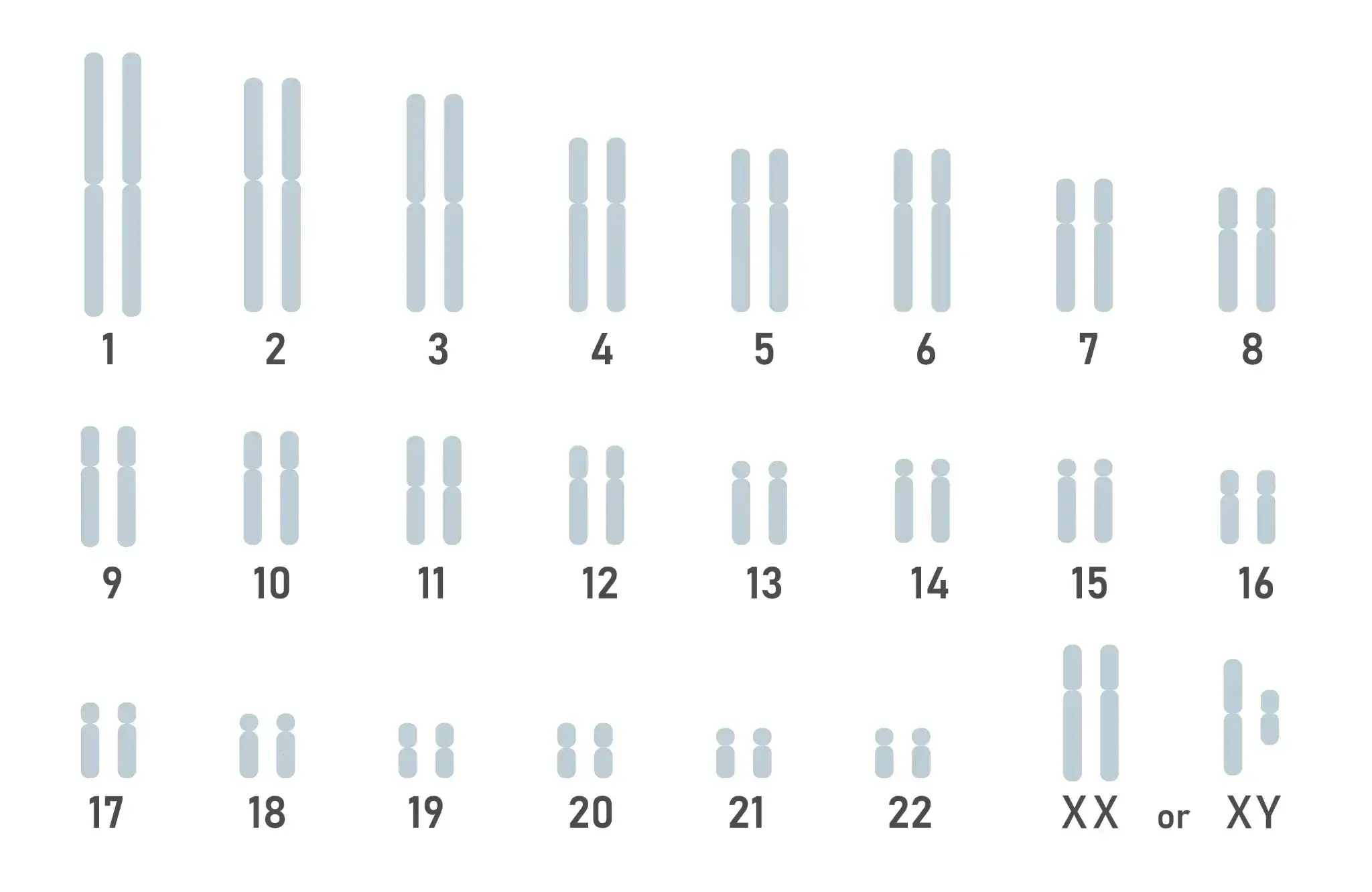
Schematic diagram of DNA map present in cells
- ■
- ■
- ■
- ■
- ■
- ■
- ■
- ■
- ■
Related genes
| Related genes | LINC02339 |
|---|
Frequently asked questions (FAQ)
Q1. What is short-term memory?
Short-term memory is the cognitive ability to temporarily retain 7±2 pieces of information for about 20 to 30 seconds and make it available for immediate use.It stores various types of information such as visual images, sounds, and language information for short periods of time, and plays an essential role in daily life such as understanding conversations and calculating.
Q2. Are genes related to short-term memory ability?
Yes.Jari from the University of Helsinki Research by Lahti et al. (2022)found that the DNA region rs9528384 is associated with short-term memory ability. People with the type A mutation tend to have better short-term memory. Type AA accounts for 95.2% of Japanese people.
Q3. What is the difference between short-term memory and working memory?
short term memory isPassive functions that temporarily retain informationand working memory stores retained information.Active functions to manipulate and processIt is. If short-term memory is a "temporary folder", working memory can be compared to a "workbench".
Q4. Is there a way to improve short-term memory ability?
Cognitive training (such as N-back tasks), sufficient sleep (7-8 hours), aerobic exercise (at least 150 minutes per week), meditation, and a balanced diet can help improve short-term memory.In addition to genetic factors, it is possible to improve short-term memory ability by improving lifestyle habits.It is.
Q5. What is the capacity of short-term memory?
According to research by psychologist George Miller (1956), the capacity of short-term memory is7±2 (5 to 9) chunks (groups of information)It is said that Retention time is approximately 20-30 seconds and is rapidly forgotten without rehearsal (repetition).
References
- Reference link 1: 2022 Nov., Jari Lahti, Mol Psychiatry