
 cardiogenic shock

- Cardiogenic shock is a severe circulatory failure in which blood flow throughout the body rapidly decreases due to cardiac pump failure.Without prompt treatment, this can lead to multiple organ failure and death.
- G-type mutation in DNA region rs6015450Study finds that people with this condition tend to be at higher risk of cardiogenic shock.
- Type AA prevalence among Japanese people is 99.9%This is 23.3 points higher than the global average of 76.6%, and the prevalence of type G mutation is extremely low.
Overview Mean arterial pressure (MAP) is an important number that indicates the average blood pressure within the arteries during one heartbeat cycle. This is essential to ensure an adequate blood supply to organs and tissues throughout the body. A significant drop in MAP can lead to a dangerous condition known as shock. Shock is a condition in which reduced blood flow prevents the body's cells from receiving adequate oxygen and nutrients. A decrease in MAP is usually a sign that the circulatory system is unable to properly circulate blood through the body. This drop in blood pressure can be caused by severe bleeding (hemorrhagic shock), serious infection (septic shock), heart failure (cardiogenic shock), or severe allergic reaction (anaphylactic shock). Signs of shock are accompanied by a variety of symptoms that indicate the severity of the condition. In the early stages, symptoms include a fast heartbeat, shallow breathing, cold, clammy skin, and confusion, and in severe cases, the disease can progress to decreased urine output, clouding of consciousness, and eventually loss of consciousness. If shock is not treated quickly and properly, it can starve tissues of oxygen and nutrients, leading to multiple organ failure and death. A study by Wain et al. at the University of Leicester revealed that the risk of developing cardiogenic shock is associated with a DNA region called rs6015450. There are three genotypes in this DNA region: AA, AG, and GG, and it was found that people with the G genotype tend to have a higher risk of cardiogenic shock.
What is cardiogenic shock?
Cardiogenic shock is a severe circulatory failure in which the heart's pumping function suddenly declines, resulting in insufficient blood supply to the entire body.Mean arterial pressure (MAP) decreases significantly, which deprives organs and tissues of oxygen and nutrients (1).
Causes and mechanisms of cardiogenic shock
Shock is a condition in which reduced blood flow prevents the body's cells from receiving adequate oxygen and nutrients.A decrease in mean arterial pressure (MAP) indicates that the circulatory system is unable to properly circulate blood through the body.
The causes of shock are classified into four types:
- Hemorrhagic shock:Sudden decrease in circulating blood volume due to massive bleeding
- Septic shock:Vasodilation and organ damage due to severe infection
- Cardiogenic shock:Decreased blood output due to heart pump failure
- Anaphylactic shock:Lower blood pressure due to severe allergic reactions
Symptoms and stages of cardiogenic shock
Symptoms of cardiogenic shock develop in stages.Early detection in the early stages greatly influences the survival rate.
| advanced stage | Main symptoms |
|---|---|
| early stage | Fast heartbeat, shallow breathing, cold, moist skin, clouded consciousness |
| advanced stage | Decreased urine output, decreased blood pressure, cyanosis (bluish-purple change in the skin) |
| severe stage | Risk of loss of consciousness, multiple organ failure, and cardiac arrest |
Why cardiogenic shock is dangerous
If not treated quickly and appropriately, shock can starve tissues of oxygen and nutrients, leading to multiple organ failure and death.Cardiogenic shock has a high mortality rate compared to other types of shock, and early medical intervention is essential.
Relationship between genes and cardiogenic shock
Relationship between DNA region rs6015450 and disease risk
A study by Wain et al. at the University of Leicester (1) revealed that the DNA region rs6015450 is associated with the risk of developing cardiogenic shock.
- There are three genotypes of rs6015450: AA, AG, and GG.
- Genotype with type G mutationtend to be at increased risk of cardiogenic shock
- The related genes areZNF831andATP2B1
Genotype distribution in Japanese (rs6015450)
There are significant differences between the Japanese and global genotype distributions.
| Genotype | Percentage of Japanese people | percentage of the world | difference |
|---|---|---|---|
| AA type | 99.9% | 76.6% | +23.3 points |
| AG type | 0.1%以下 | 21.8% | −21.8 points |
| GG type | 0.1%以下 | 1.5% | -1.5 points |
Japanese people have an extremely high rate of type AA at 99.9%, and the prevalence of the type G mutation, which is associated with increased risk, is significantly lower than the world average.It is characterized by this.
Relationship between DNA region rs11105364 and disease risk
Another DNA region associated with cardiogenic shock isrs11105364has been confirmed (2).
| Genotype | Percentage of Japanese people | percentage of the world | difference |
|---|---|---|---|
| TT type | 35.5% | 71.3% | −35.8 points |
| TG type | 48.1% | 26.2% | +21.9 points |
| GG type | 16.3% | 2.4% | +13.9 points |
Rationale for testing
Superficial DNA region: cardiogenic shock
The gene region that most strongly influences cardiogenic shock is rs6015450. The distribution of isomorphic genotypes in Japan is as follows.
- AA
99.9 % - AG
0.1%以下 - GG
0.1%以下
Another gene region involved in cardiogenic shock is rs11105364. The distribution of isomorphic genotypes in Japan is as follows
- TT
35.5 % - TG
48.1 % - GG
16.3 %
Basis for inspection
A study by Wain et al. at the University of Leicester (1) revealed that the risk of developing cardiogenic shock is related to genes.There is a region called rs6015450 in the human genome, and there are two types of mutations, A and G, in the gene in this region. It was found that people with type G mutations tend to have a higher risk of cardiogenic shock.
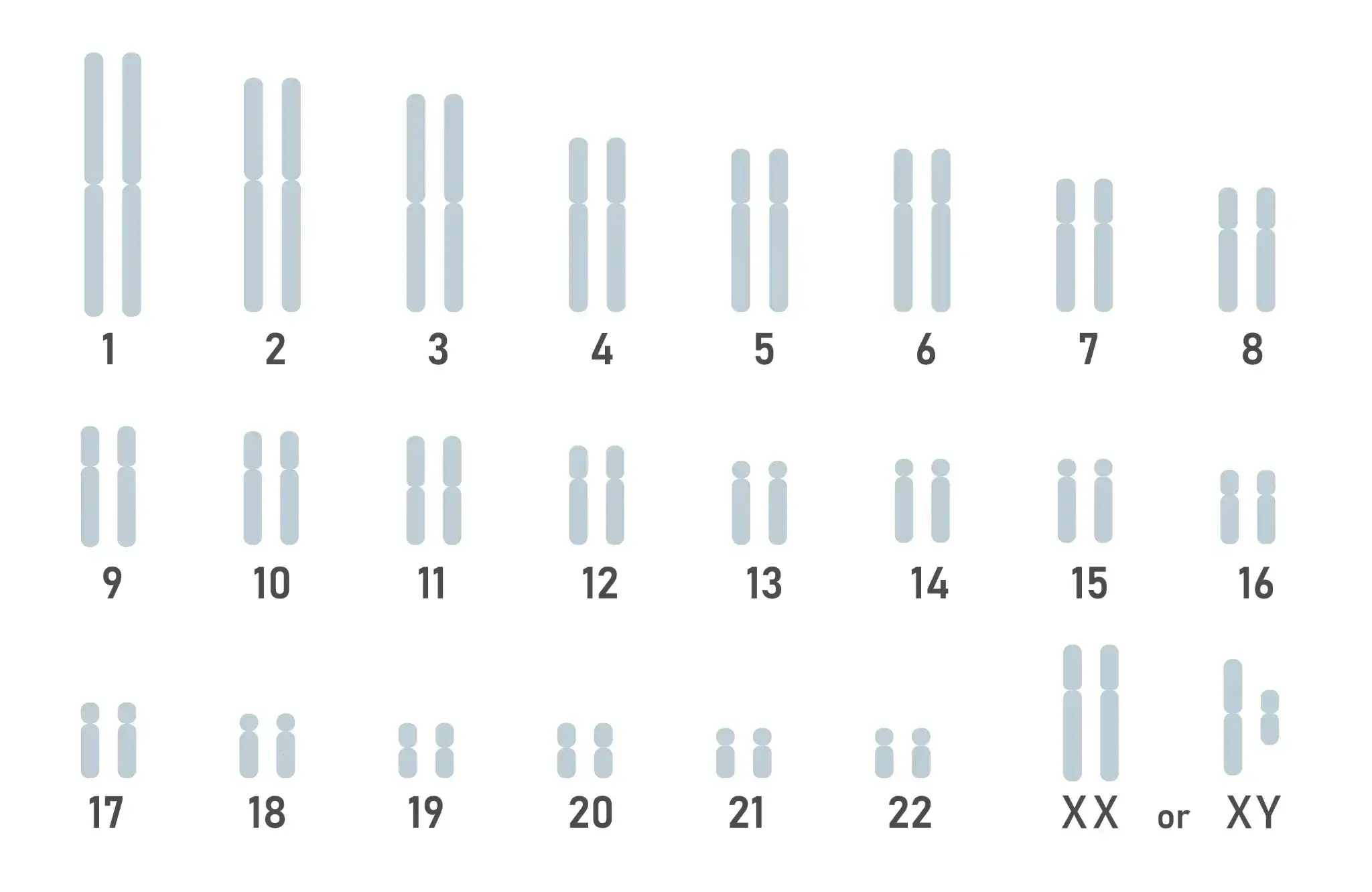
The DNA region investigated this time
Schematic diagram of DNA map present in cells
- ■
- ■
- ■
- ■
- ■
- ■
- ■
- ■
- ■
Related genes
| Related genes | ZNF831 |
|---|---|
| Related genes | ATP2B1 |
Frequently asked questions (FAQ)
Q1. What is cardiogenic shock?
Cardiogenic shock is a severe circulatory failure in which the heart's pumping function suddenly declines, resulting in insufficient blood supply to the entire body.A significant drop in mean arterial pressure (MAP) deprives organs and tissues of oxygen and nutrients, which can lead to multiorgan failure and death (1).
Q2. What is the cause of cardiogenic shock?
The main cause of cardiogenic shock isheart pump failureIt is. It develops when the heart is unable to pump enough blood due to heart diseases such as acute myocardial infarction, severe heart failure, cardiomyopathy, and valvular heart disease (1).
Q3. What types of shocks are there?
Shock depends on the cause4 typesIt is classified as These include hemorrhagic shock (massive bleeding), septic shock (severe infection), cardiogenic shock (heart failure), and anaphylactic shock (severe allergic reaction).
Q4. What genes are associated with cardiogenic shock?
According to research by Wain et al. at the University of Leicester,DNA region rs6015450 is associated with riskIt turns out that it is. People with the G mutation tend to be at increased risk, and the genes involved are ZNF831 and ATP2B1 (1).
Q5. What are the characteristics of cardiogenic shock-related genotypes in Japanese people?
The Japanese rs6015450 genotype distribution isAA type 99.9%, AG type 0.1%以下, GG type 0.1%以下It is. The proportion of AA type is 23.3 points higher than the world average (AA type 76.6%), and the prevalence of type G mutations associated with increased risk is extremely low (1) (2).
References
- Reference link 1: 2011 Sep., Louise V Wain, Nat Genet
- Reference link 2: 2018 Nov., Fumihiko Takeuchi, Nat Commun