
 Risk of severe sepsis

- Sepsis is a disease that causes organ damage due to an excessive immune response caused by infection.The mortality rate after 28 days reaches up to 60%.
- G-type mutation in DNA region rs9529561People with this condition are at higher risk of developing severe disease due to overproduction of inflammatory cytokines.
- Nutritionally balanced meals, sufficient sleep, and early consultationIt is possible to maintain immune function and prevent serious illness.
Overview Have you ever felt anxious about the possibility of becoming seriously ill if you were infected with a virus or bacteria? Viral or bacterial infections produce inflammatory cytokines in the body to activate the immune system, causing symptoms such as fever and headache. Usually, when the number of viruses and bacteria decreases, the amount of cytokine secretion also decreases, and the symptoms subside. However, an uncontrolled and exaggerated immune response can cause life-threatening organ damage. This is called "sepsis." Sepsis is a disease that, when severe, causes damage to multiple organs, resulting in multiple organ failure and death, and the mortality rate after 28 days is said to reach 60% (Reference link 1). Sepsis is caused by infectious diseases such as viruses and bacteria, but surprisingly, genetic factors are said to be involved in the likelihood of sepsis (Reference link 2). Why not take a genetic test to find out if you are at risk of becoming seriously ill due to sepsis? 2. Rationale One of the causes of sepsis is the excessive production of inflammatory cytokines (such as IL1) due to the inflammatory stimulus caused by infection (Reference link 3). The gene ``SRSF1P1 (serine and arginine rich splicing factor 1 pseudogene 1)'' located on chromosome 13 was found to be one of the genes thought to be the cause of this (reference link 4). One of the DNA regions contained in this gene, rs9529561, was analyzed for genetic variations in sepsis patients (4,210 patients) and a mutation was found to be correlated with mortality after 28 days (reference link 4). The gene "SRSF1P1" does not have the function of becoming a protein itself, but it has the function of regulating the expression of genes related to inflammatory cytokines. Mutations in the DNA region rs9529561 cause overproduction of inflammatory cytokines. The DNA region "rs9529561" can be divided into three genotypes: "AA type," "AG type," and "GG type." In addition, the genotype types of Japanese people are 84.1% ``AA type'', 15.2% ``AG type'', and 0.7% ``GG type'' (Reference link 5). Variants containing a "G" may increase the production of inflammatory cytokines, increasing the risk of developing sepsis. In addition, it has been reported that ``GG type'' patients are more likely to develop severe symptoms, have a higher mortality rate, and are more likely to develop chronic kidney disease (reference link 4). 3. Mechanism of action Inflammatory cytokines play an important role in activating the immune system, but if their secretion becomes uncontrolled, they can damage various organs and, in some cases, cause organ failure, which can be life-threatening. The gene ``SRSF1P1'' is called a pseudogene, and although it has no protein function, it binds to ``GATA2'', a transcription factor important for the production of inflammatory cytokines, and is involved in the production of inflammatory cytokines. When there is a mutation in the DNA region rs9529561, the gene SRSF1P1 binds more easily to GATA2, increasing the function of GATA2 (gene transcriptional activity), leading to overproduction of inflammatory cytokines (Reference links 4 and 6). Sepsis is a disease that can affect anyone, and treatment may require intensive care. If you have a mutation in the DNA region "rs9529561" of the gene "SRSF1P1", it is important to eat a nutritionally balanced diet and get enough sleep to enhance your immune function. In addition, if you feel any change in your physical condition, we recommend that you do not hesitate to seek medical attention.
What is sepsis?
Sepsis is a life-threatening organ failure caused by an uncontrolled immune response caused by a viral or bacterial infection.The mortality rate after 28 days is up to 60% and there is a risk of multiple organ failure (reference link 1).
Mechanisms by which sepsis occurs
When infected with a virus or bacteria, the body activates the immune system.Inflammatory cytokines (IL1 etc.)is produced, causing symptoms such as fever and headache. Usually, when the number of pathogens decreases, the amount of cytokine secretion also decreases, and symptoms subside.
However, when the immune response goes out of control, inflammatory cytokines are produced in excess, damaging organs (Reference link 3). This condition is sepsis.
- Normal immune response:Pathogen reduction → cytokine reduction → symptom resolution
- Sepsis immune response:Uncontrolled → Cytokine overproduction → Organ damage
Why genes are involved in the risk of severe sepsis
Genetic factors are involved in the likelihood of sepsis(Reference link 2). Genes located on chromosome 13「SRSF1P1(serine and arginine rich splicing factor 1 pseudogene 1)」is associated with the risk of severe illness (reference link 4).
This gene is called a pseudogene, and although it has no protein function, it is a transcription factor important for the production of inflammatory cytokines.Combined with “GATA2”and regulate cytokine production.
Mutations in the DNA region rs9529561 and sepsis risk
Analysis of genetic variations in 4,210 patients with sepsis revealed that mutations in the DNA region "rs9529561" were correlated with mortality after 28 days (Reference link 4).
- A mutation in the DNA region "rs9529561" makes it easier for the gene "SRSF1P1" to bind to "GATA2"
- The transcriptional activity of “GATA2” increases,Overproduction of inflammatory cytokinesoccurs (reference links 4 and 6)
- ``GG type'' has a high risk of severe illness and increased mortality rate.
- "GG type" ischronic kidney diseaseIt has also been reported that it is more likely to cause (reference link 4)
Comparison of risk of sepsis by genotype
| Genotype | Percentage of Japanese people | Risk of severe illness | Features |
|---|---|---|---|
| AA type | 84.1% | low | Binding to GATA2 is at normal level |
| AG type | 15.2% | somewhat expensive | Slight increase in inflammatory cytokine production |
| GG type | 0.7% | expensive | Overproduction of cytokines and increased risk of chronic kidney disease |
Prevention and countermeasures for sepsis
Sepsis is a disease that can affect anyone and requires intensive care to treat. The following measures are important.
- Maintaining immune function:Make sure to eat a nutritionally balanced diet
- Adequate sleep:Prevent immunity decline
- Early consultation:If you feel any change in your physical condition, please consult a medical institution.
- Genetic testing:Know in advance whether there is a mutation in rs9529561
Rationale for testing
Surface DNA region: risk of severe sepsis
The gene region that most strongly influences the risk of severe sepsis is rs9529561. The distribution of isomorphic genotypes in Japan is as follows.
- AA
99.9 % - AG
0.1%以下 - GG
0.1%以下
Basis for inspection
A study by Scherag et al. at Jena University Hospital revealed that the risk of severe sepsis is associated with genes. There is a region called rs9529561 in the human genome, and there are two types of mutations, A and G, in the gene in this region. It was found that people with type A mutations tend to have a higher risk of severe sepsis.
The DNA region investigated this time
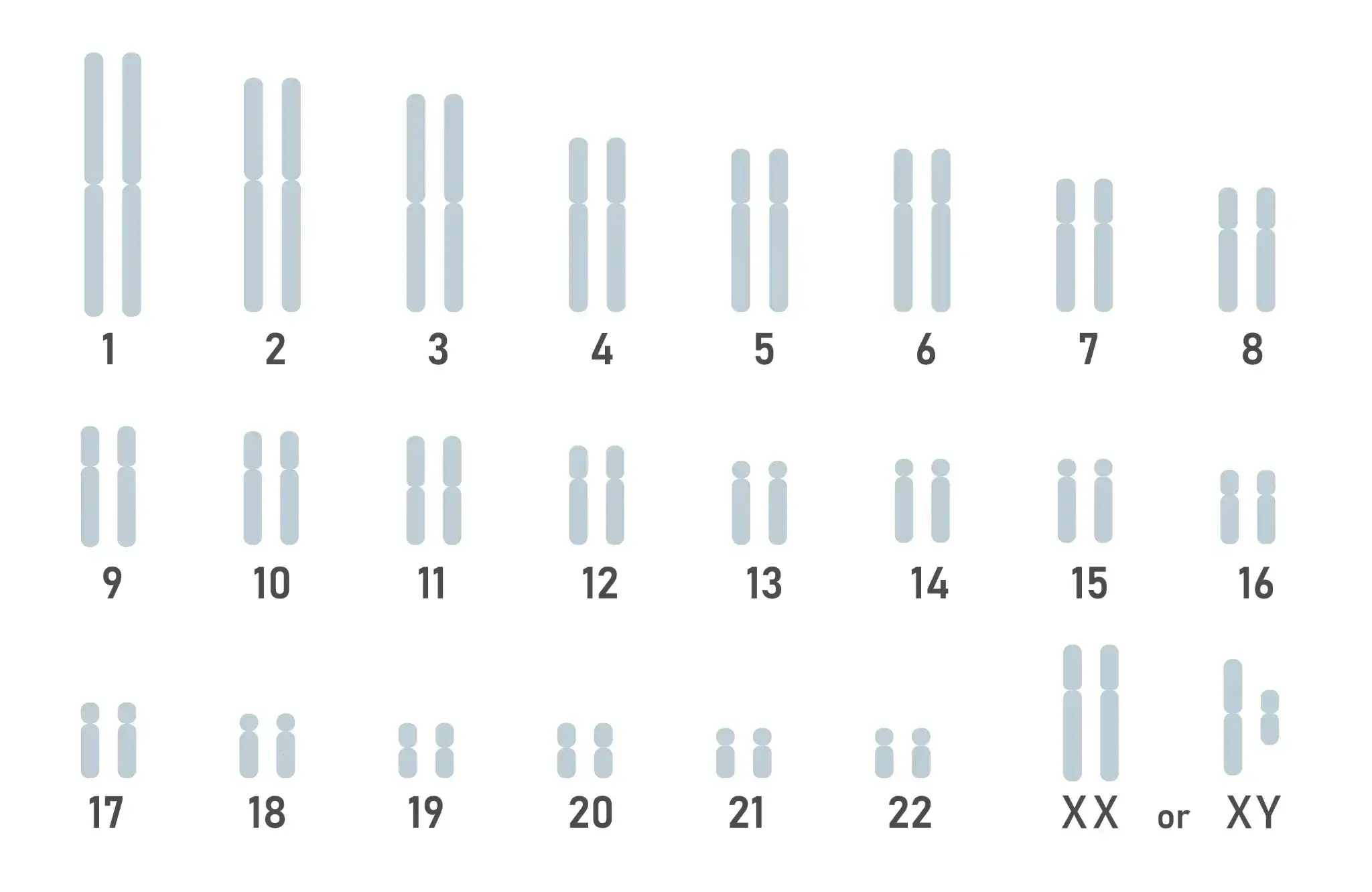
Schematic diagram of DNA map present in cells
- ■
- ■
- ■
- ■
- ■
- ■
- ■
- ■
- ■
Related genes
| Related genes | LINC00383 |
|---|
Frequently asked questions (FAQ)
Q1. What is sepsis?
Sepsis is a life-threatening organ failure caused by an uncontrolled immune response caused by a viral or bacterial infection.The mortality rate after 28 days is up to 60% and there is a risk of multiple organ failure (reference link 1).
Q2. Are genes related to the severity of sepsis?
Yes. Gene on chromosome 13Mutation in the DNA region rs9529561 contained in SRSF1P1is correlated with the risk of severe sepsis. Studies have shown that people with the GG genotype have a higher risk of developing severe symptoms due to overproduction of inflammatory cytokines (reference link 4).
Q3. Is there any way to prevent sepsis?
A nutritionally balanced diet and enough sleepIt is important to boost your immune function. If you notice any changes in your physical condition, it is recommended that you seek medical attention as soon as possible. One effective measure is to understand the risk in advance through genetic testing.
Q4. What are the differences in the risk of sepsis by genotype?
The DNA region rs9529561 has three genotypes: AA type, AG type, and GG type. In JapaneseAA type 84.1%, AG type 15.2%, GG type 0.7%It is. Types containing the G mutation increase the production of inflammatory cytokines, increasing the risk of severe sepsis (Reference link 5).
References
- Reference link 1: 2016 Feb., Mervyn Singer, JAMA.
- Reference link 2: 2015 Jan., Anna Rautanen, Lancet Respir Med.
- Reference link 3: 2017 Jul., Benjamin G Chousterman, Semin Immunopathol.
- Reference link 4: 2016 Oct., André Scherag, EBioMedicine.
- Reference link 5: Information on DNA region “rs9529561” NIH
- Reference link 6: 2021 Jul.,Jun Takai, IScience.
- Reference link 7: 2016 Oct., André Scherag, EBioMedicine