
 Tendency to have a sedentary lifestyle

- Sedentary lifestyle is associated with the G variant in the DNA region rs2220599However, genetic factors, environmental factors, and lifestyle habits have a complex effect.
- The prevalence of type GG among Japanese people is 20.4%., which is 15.6 points higher than the global average of 4.8%.
- The related genes areLINC02142, and regular exercise habits can reduce health risks.
Overview A sedentary lifestyle is characterized by low physical activity and long periods of sitting or lying down. This lifestyle involves spending a lot of time doing activities that do little to increase heart rate or muscle activity, such as sitting at a desk, watching TV, using a computer or smartphone, or driving to work. Modern work environments, urban living, and increased use of technology are associated with this way of life. Physically, lack of exercise can lead to an imbalance between caloric intake and energy expenditure, leading to weight gain, muscle atrophy, and decreased flexibility. It also increases your risk of obesity, type 2 diabetes, cardiovascular disease, and certain cancers. Additionally, the endorphins released during exercise are reduced, which can affect your mental health, including anxiety and depression. To reduce the negative effects of this lifestyle and live a healthier life, it is important to include walking, stretching, and other forms of exercise on a regular basis. A study by van de Vegte and colleagues at the University of Groningen revealed that the tendency to have a sedentary lifestyle is associated with a DNA region called rs2220599. There are three genotypes in this DNA region: CC, CG, and GG, and it was found that people with the G genotype tend to have a sedentary lifestyle.
What is a sedentary lifestyle?
A sedentary lifestyle is one in which a person is inactive and spends a lot of time sitting or lying down.This refers to spending time doing activities that hardly increase heart rate or muscle activity, such as desk work, watching TV, operating a computer, using a smartphone, or commuting by car. Modern work environments, urban living, and the proliferation of digital technologies facilitate this lifestyle.
Health risks of a sedentary lifestyle
A sedentary lifestyle poses multiple physical and mental health risks.
- Weight gain:The balance between calorie intake and energy expenditure is disrupted, leading to fat accumulation
- Muscle weakness:Muscle atrophy and decreased flexibility progress
- Increased disease risk:Increased risk of obesity, type 2 diabetes, cardiovascular disease, and certain cancers
- Impact on mental health:Endorphins released during exercise are reduced, increasing the risk of anxiety and depression.
The difference between an active lifestyle and a sedentary lifestyle
| Comparison items | active life | sedentary lifestyle |
|---|---|---|
| Number of steps per day | Over 8,000 steps | Less than 3,000 steps |
| sitting time | less than 6 hours a day | 8 hours or more a day |
| obesity risk | low | expensive |
| cardiovascular disease risk | low | expensive |
| mental health | Stabilized by endorphins | Increased risk of anxiety and depression |
How to improve your sedentary lifestyle
Incorporating regular physical activity into your daily routine can reduce the negative effects of a sedentary lifestyle.
- Walk or stretch for 5-10 minutes every hour
- Use a standing desk to reduce sitting time
- Walk or cycle when commuting
- Get into the habit of walking during your lunch break
- actively use the stairs
The link between genes and a sedentary lifestyle
Relationship between DNA region rs2220599 and sedentary lifestyle
A study by van de Vegte et al. (1) from the University of Groningen found that the DNA region rs2220599 is associated with a tendency to have a sedentary lifestyle.
- There are three genotypes of rs2220599: CC, CG, and GG.
- Genotype with type G mutationpeople are more likely to have a sedentary lifestyle
- The related genes areLINC02142
Genotype distribution in Japanese (rs2220599)
There are significant differences between the Japanese and global genotype distributions.
| Genotype | Percentage of Japanese people | percentage of the world | difference |
|---|---|---|---|
| CC type | 30.0% | 60.6% | -30.6 points |
| CG type | 49.5% | 34.4% | +15.1 points |
| GG type | 20.4% | 4.8% | +15.6 points |
Rationale for testing
Superficial DNA region: tendency to have a sedentary lifestyle
The genetic region that most strongly influences the tendency to have a sedentary lifestyle is rs2220599. The distribution of isomorphic genotypes in Japan is as follows.
- CC
30.0 % - CG
49.5 % - GG
20.4 %
Basis for inspection
A study by van de Vegte and colleagues at the University of Groningen (1) revealed that the tendency to have a sedentary lifestyle is linked to genes.There is a region called rs2220599 in the human genome, and there are two types of mutations, C and G, in the gene in this region. It was found that people with the G mutation tend to have sedentary lifestyles.
The DNA region investigated this time
Schematic diagram of DNA map present in cells
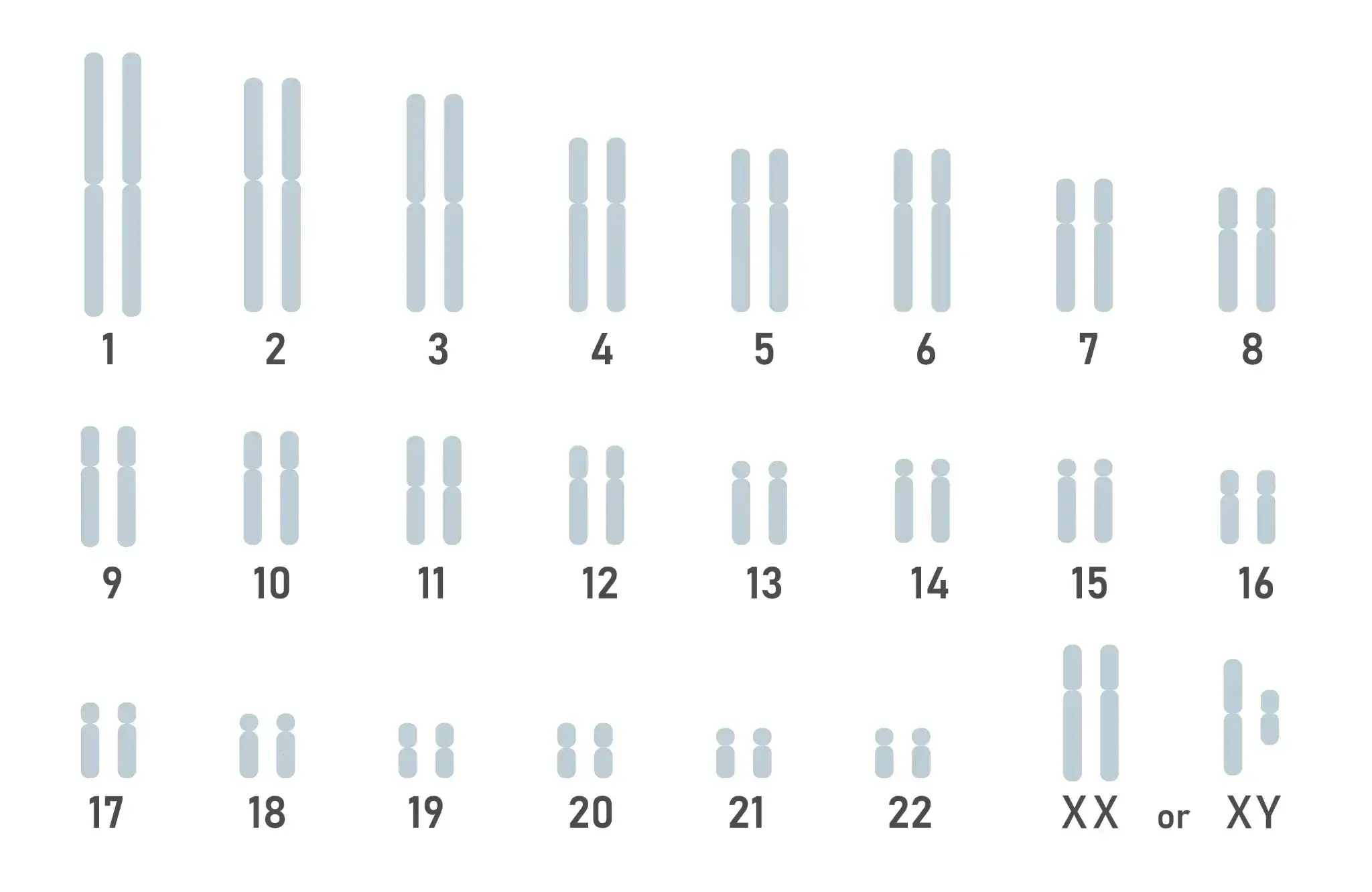
- ■
- ■
- ■
- ■
- ■
- ■
- ■
- ■
- ■
Related genes
| Related genes | LINC02142 |
|---|
Frequently asked questions (FAQ)
Q1. What is a sedentary lifestyle?
A sedentary lifestyle is one in which a person is inactive and spends a lot of time sitting or lying down.These include working at a desk, watching TV, using a smartphone, and commuting by car, all of which increase the risk of obesity, type 2 diabetes, cardiovascular disease, and certain cancers (1).
Q2. What genes are associated with a sedentary lifestyle?
According to a study by van de Vegte et al. from the University of Groningen,DNA region rs2220599 associated with tendency to have a sedentary lifestyleIt turns out that it is. People with the G mutation tend to lead a sedentary lifestyle, and the associated gene is LINC02142 (1).
Q3. What are the health risks of a sedentary lifestyle?
Weight gain, muscle atrophy, decreased flexibilitycause. The risk of obesity, type 2 diabetes, cardiovascular disease, and certain cancers increases, and reduced endorphin secretion also increases the risk of anxiety and depression.
Q4. Can genetic testing reveal trends in sedentary lifestyles?
By examining the genotype of the DNA region rs2220599,Understand trends in sedentary lifestylesYou can. The prevalence of type GG among Japanese people is 20.4%, which is 15.6 points higher than the world average of 4.8% (1).
Q5. How can I improve my sedentary lifestyle?
It is recommended to incorporate 5 to 10 minutes of walking or stretching every hour.It is effective to incorporate regular physical activity into your daily life, such as using a standing desk, walking or cycling to work, and walking during your lunch break.
References
- Reference link 1: 2020 Apr., Yordi J van de Vegte, Nat Commun