
 I like salty things
- Preference for salty foods is associated with DNA region rs713598However, people with type C mutation tend to prefer salty tastes.
- In Japanese, the distribution is CC type 18.7%, CG type 49.0%, GG type 32.1%,Approximately 67.7% carry type C mutation
- Salt taste preferencePhysiological, genetic, sociocultural, and psychological factorsis formed by the multiple influences of
Overview Saltiness preference refers to how much an individual likes foods containing salt. This preference is influenced by various factors. Physiological factors require an adequate amount of salt to maintain sodium balance in the body, which influences an individual's salt taste preference. Sensitivity to saltiness also plays a role. Regarding genetic factors, certain genetic variations can influence an individual's salt taste sensitivity and preference. For example, mutations in the epithelial sodium channel (EnaC) gene have been implicated. Among individual developmental factors, age and living environment influence salty taste preferences. Infants and the elderly tend to have particularly different preferences. Regarding sociocultural factors, culture and social habits influence salt taste acceptability and preference. Depending on the region, there may be a tendency to prefer strong flavors. Regarding psychological factors, there is a relationship between emotional states such as stress and salt intake. Also, long-term high salt intake can affect taste and dependence. These factors interact in a complex way to shape individual salt taste preferences, which can also change over time. Considering these factors can help determine health measures and public health policies. A study by May-Wilson et al. at the University of Edinburgh revealed that the preference for salty foods is associated with a DNA region called rs713598. There are three genotypes in this DNA region: CC, CG, and GG, and it was found that people with the C genotype tend to like salty foods.
What is the preference for liking salty foods?
Salty preference is a trait that indicates how much an individual prefers foods containing salt.Studies have shown that this preference is associated with a type C mutation in the DNA region rs713598, and that genetic sensitivity to salty tastes differs.
5 factors that influence salty taste preference
Salty taste preferences are formed by the combined effects of the following five factors.
| factor | Content | Specific example |
|---|---|---|
| physiological factors | Maintaining body sodium balance | Appropriate amount of salt is required and affects individual salt taste preference |
| genetic factors | Certain genetic mutations influence susceptibility | Mutations in the epithelial sodium channel (ENaC) gene are involved |
| developmental factors | Age/living environment | Infants and the elderly tend to have different preferences |
| Sociocultural factors | Culture and social customs | There is a tendency to prefer strong flavors depending on the region. |
| psychological factors | Emotional states such as stress | Long-term high salt intake affects preference and dependence |
Effects of salty taste preference on health
These factors interact in a complex manner to form individual salt taste preferences. It is important to consider these factors as they may change over time.Deciding on health measures and public health policiesHelpful.
The relationship between genes and salty taste preference
Relationship between DNA region rs713598 and preference for salty taste
A study by May-Wilson et al. at the University of Edinburgh revealed that the DNA region rs713598 is associated with a preference for salty foods.
- There are three genotypes of rs713598: CC, CG, and GG.
- Genotype with type C mutation(CC type/CG type) people tend to prefer salty foods.
Genotype distribution comparison between Japanese and the world (rs713598)
| Genotype | Percentage of Japanese people | percentage of the world |
|---|---|---|
| CC type | 18.7% | 33.3% |
| CG type | 49.0% | 48.7% |
| GG type | 32.1% | 17.8% |
Among Japanese people, 32.1% of Japanese people have type GG (a type that does not like salty tastes), which is higher than the world average (17.8%), and 18.7% of people with type CC tend to be lower than the world average (33.3%).
Rationale for testing
External DNA region: likes salty foods
The gene region that most strongly influences liking salty foods is rs713598. The distribution of isomorphic genotypes in Japan is as follows.
- CC
18.7 % - CG
49.0 % - GG
32.1 %
Basis for inspection
A study by May-Wilson and colleagues at the University of Edinburgh revealed that the preference for salty foods is linked to genes.There is a region called rs713598 in the human genome, and there are two types of mutations, C and G, in the gene in this region.People with type C mutation tend to like salty foods.I understand that.
The DNA region investigated this time
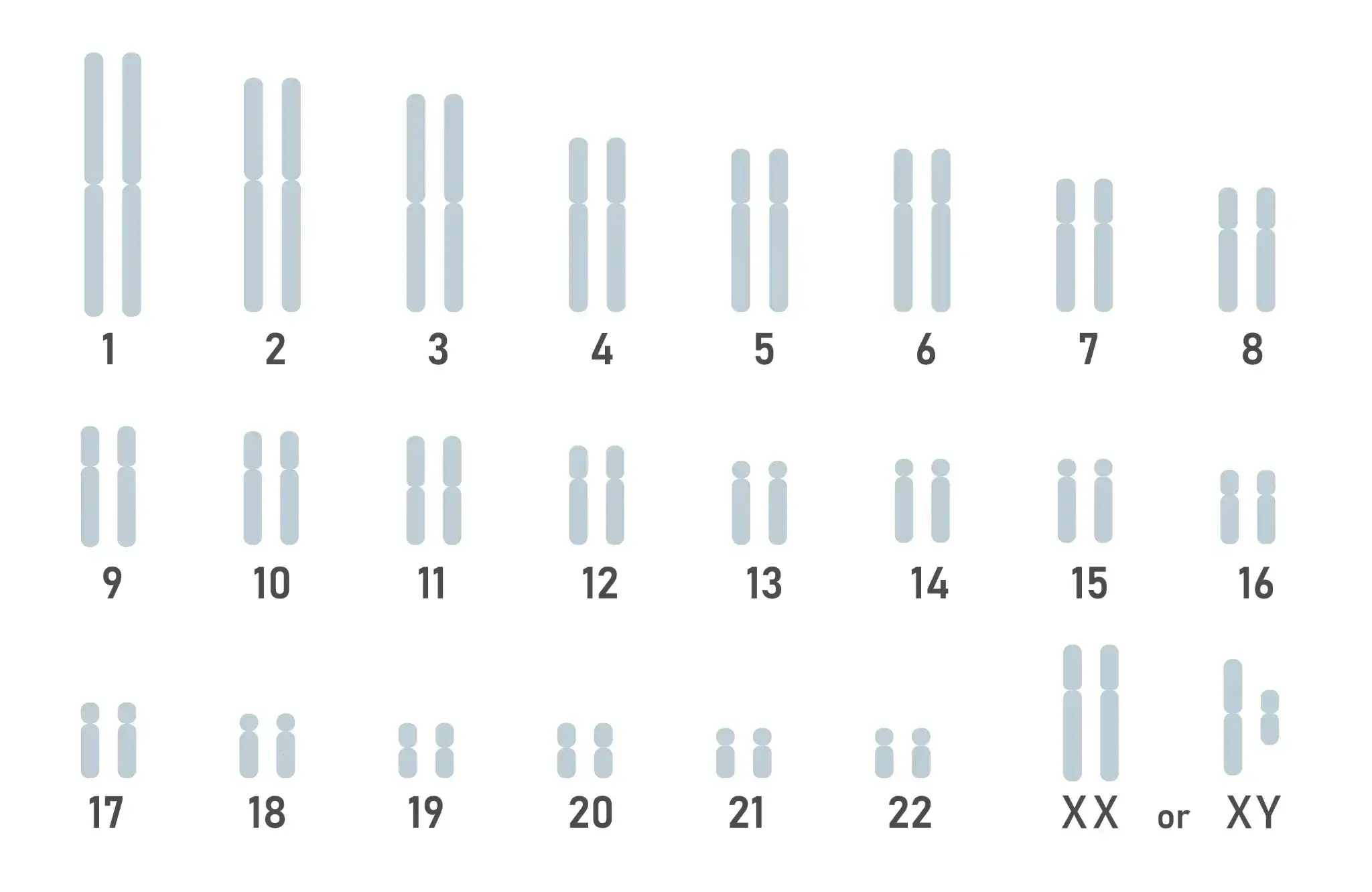
Schematic diagram of DNA map present in cells
- ■
- ■
- ■
- ■
- ■
- ■
- ■
- ■
- ■
Related genes
| Related genes | MGAM |
|---|
Frequently asked questions (FAQ)
Q1. What is your preference for salty foods?
Salty preference is a trait that indicates how much an individual prefers foods containing salt.People with the C mutation in the rs713598 DNA region tend to prefer salty tastes due to a combination of physiological, genetic, sociocultural, and psychological factors.
Q2. Are genes related to preference for salty taste?
Yes.A study by May-Wilson et al. at the University of Edinburgh found that the DNA region rs713598 is associated with salty taste preference.It turns out that. There are three genotypes in this region: CC, CG, and GG, and people with the C mutation tend to prefer salty foods.
Q3. What factors influence salty preference?
Salty taste isSodium balance in the body(physiological factors),Mutations in epithelial sodium channel genesThe following five factors have a complex effect: (genetic factors), age/living environment (developmental factors), culture/social habits (sociocultural factors), and stress (psychological factors).
Q4. What is the distribution of the rs713598 genotype in Japanese people?
Among Japanese people, 18.7% have type CC, 49.0% have type CG, and 32.1% have type GG. Worldwide, 33.3% are CC type, 48.7% are CG type, and 17.8% are GG type.The proportion of Japanese people who are type GG (types that do not like salty tastes) is higher than the world average.There is a trend.
References
- Reference link 1: 2022 May., Sebastian May-Wilson, Nat Commun