
 Rosacea (rosacea)

- Rosacea is a chronic skin disease characterized by erythema, papules, and pustules on the face.It occurs most often in people between the ages of 30 and 50.
- G-type mutation in DNA region rs16891982Research shows that people with the disease tend to be at higher risk of developing
- appropriateTopical medicines, laser treatments, lifestyle improvementsIt is possible to control symptoms and prevent worsening.
Overview Rosacea is a chronic skin disease that causes redness on the face, visible capillaries, small red bumps (papules), and pus-filled bumps (pustules). Sometimes symptoms may also appear in the eyes. This disease is particularly common in middle-aged men and women, and is known to be more common in Caucasians. The causes of rosacea are not completely understood, but genetics, immune system abnormalities, decreased skin barrier function, and blood vessel abnormalities are thought to be involved. Additionally, UV rays, heat or cold, stress, irritating cosmetics, alcohol, and spicy foods can make symptoms worse. Rosacare treatment methods vary depending on the type and severity of the symptoms. Anti-inflammatory drugs and antibiotics may be used externally. Oral medications such as antibiotics and isotretinoin may also be used. Additionally, laser treatment is also effective. In addition to treatment, lifestyle changes such as avoiding irritants, UV protection, and proper skin care are also important. Early detection and appropriate treatment can prevent Rosacare symptoms from worsening. A study by Aponte et al. from PAREXEL International revealed that the risk of developing rosacea is associated with a DNA region called rs16891982. There are three genotypes in this DNA region: CC, CG, and GG, and it was found that people with the G genotype tend to have a higher risk of rosacea.
What is rosacea?
Rosacea is a chronic skin disease that causes persistent erythema, telangiectasia, papules, and pustules on the face.It mainly occurs in men and women between the ages of 30 and 50, and is more frequently observed in Caucasians. It may also be accompanied by ocular symptoms (blepharitis, conjunctivitis).
Causes and mechanisms of rosacea
Although the exact pathogenesis of rosacea is not completely understood, the following factors are involved in a complex manner:
- Genetic predisposition:G-type mutation in DNA region rs16891982 is associated with risk
- Immune system abnormalities:Overreaction of innate immunity (abnormal expression of antibacterial peptide cathelicidin)
- Decreased skin barrier function:Increase in transepidermal water transpiration
- Vascular abnormalities:Abnormal dilation of facial blood vessels and increased blood flow
The following external factors can worsen symptoms:
- UV exposure
- Extreme temperature changes (high/low temperature)
- mental stress
- Drinking (especially alcohol)
- Spicy foods and irritating cosmetics
4 subtypes of rosacea
| subtype | Main features | Frequently occurring site |
|---|---|---|
| Erythema telangiectatic type | Persistent erythema/telangiectasia | cheeks/nose |
| papulopustular type | Appearance of red papules and pustules | Cheeks, forehead, chin |
| rhinophyma type | Skin thickening/deformation of the nose | nose |
| Eye type | Eye redness, foreign body sensation, dryness | Eyelids/conjunctiva |
Difference between rosacea and acne (acne vulgaris)
| Comparison items | Rosacea (rosacea) | Acne (acne vulgaris) |
|---|---|---|
| Age of onset | 30s to 50s | 10-20 years old |
| Main features | Persistent erythema/telangiectasia | Comedones/inflammatory papules |
| Presence or absence of comedones | None | Yes |
| Frequently occurring site | Center of the face (cheeks/nose) | Whole face/back/chest |
| progress | Chronic/relapsing | Commonly occurs during adolescence, decreases with age |
Treatment for rosacea
Treatment for rosacea depends on the type and severity of symptoms.
- Topical medicine:Metronidazole, azelaic acid, ivermectin cream
- Oral medicine:Tetracycline antibiotics (doxycycline), isotretinoin
- Laser treatment:Pulsed dye laser/IPL (effective for telangiectasia)
- Lifestyle improvement:UV protection (SPF30 or higher), avoidance of irritants, hypoallergenic skin care
Early detection and continued appropriate treatment can prevent rosacea symptoms from worsening.
The relationship between genes and rosacea
Relationship between DNA region rs16891982 and onset risk
A study by Aponte et al. from PAREXEL International (1) revealed that the DNA region rs16891982 is associated with the risk of developing rosacea.
- There are three genotypes of rs16891982: CC, CG, and GG.
- Genotype with type G mutationpeople tend to be at higher risk for rosacea
Genotype distribution in Japanese (rs16891982)
| Genotype | Percentage of Japanese people | percentage of the world |
|---|---|---|
| CC type | 99.9% | 1.8% |
| CG type | 0.1%以下 | 23.2% |
| GG type | 0.1%以下 | 74.9% |
99.9% of Japanese people carry the CC mutation, and the prevalence of the G mutation is extremely low compared to the world average. On the other hand, the GG type accounts for the highest proportion worldwide at 74.9%.
Rationale for testing
External DNA region: Rosacea
The gene region that most strongly affects rosacea is rs16891982. The distribution of isomorphic genotypes in Japan is as follows.
- CC
99.9 % - CG
0.1%以下 - GG
0.1%以下
Basis for inspection
A study by Aponte et al. from PAREXEL International revealed that the risk of developing rosacea is linked to genes. There is a region called rs16891982 in the human genome, and there are two types of mutations, C and G, in the gene in this region. It has been found that people with the G mutation tend to have an increased risk of rosacea (1).
The DNA region investigated this time
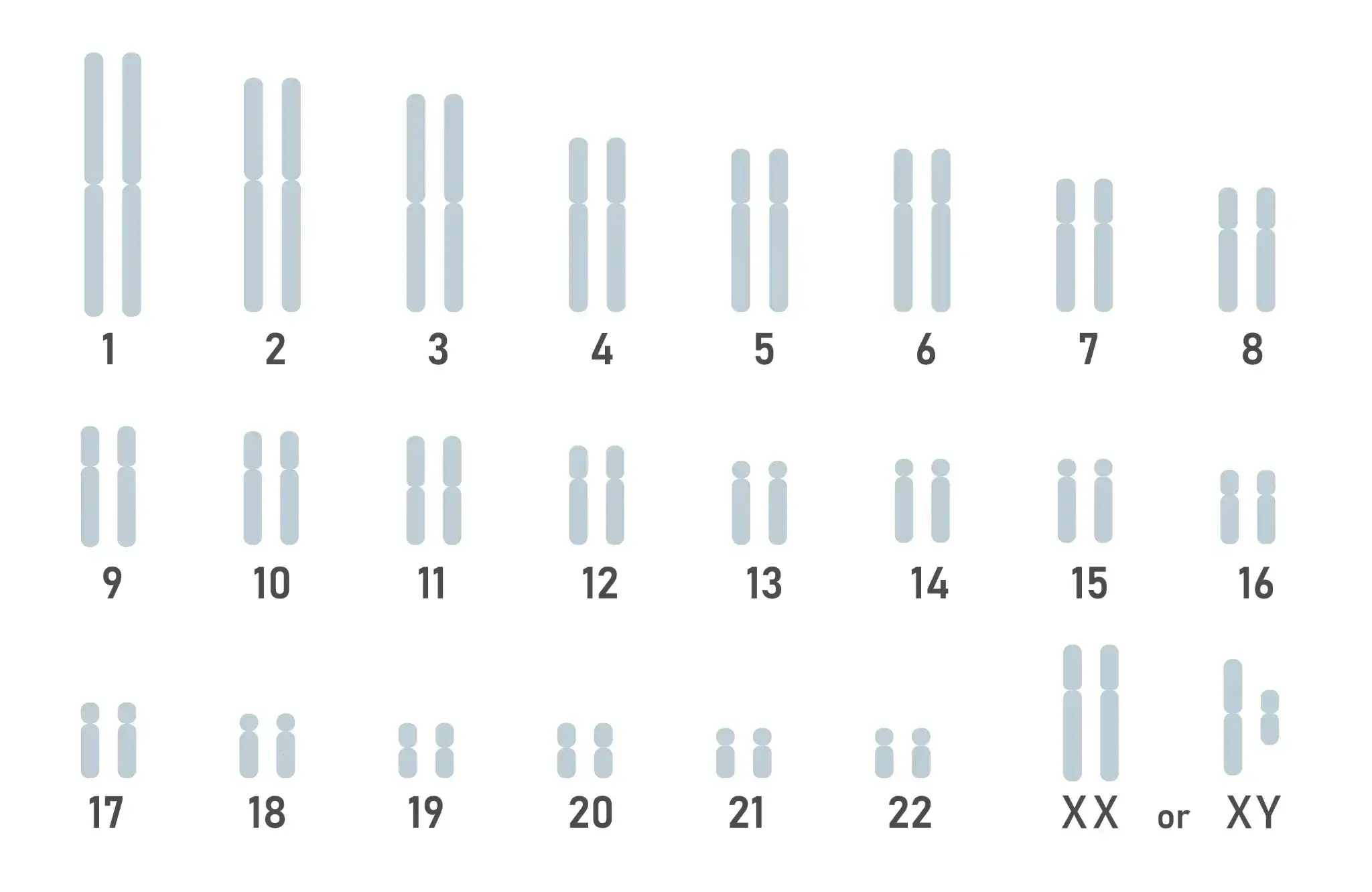
Schematic diagram of DNA map present in cells
- ■
- ■
- ■
- ■
- ■
- ■
- ■
- ■
- ■
Related genes
| Related genes | SLC45A2 |
|---|
Frequently asked questions (FAQ)
Q1. What is rosacea?
Rosacea is a chronic skin disease that causes persistent erythema, telangiectasia, papules, and pustules on the face.It mainly occurs between the ages of 30 and 50 and is classified into four subtypes: erythema-telangiectatic type, papulopustular type, rhinophyma type, and ocular type (1).
Q2. What causes rosacea?
What causes rosaceaGenetic predisposition, immune system abnormalities, decreased skin barrier function, vascular abnormalitiesare involved in multiple ways. Carriers of the G mutation in the DNA region rs16891982 tend to be at higher risk. UV rays, stress, and alcohol consumption can also worsen symptoms (1).
Q3. What is the difference between rosacea and acne?
Rosacea isMost common after age 30It is accompanied by persistent erythema in the center of the face. Acne isMost common in teens to 20sIt is characterized by comedones. Rosacea differs in that it does not have comedones and involves telangiectasia.
Q4. Can genetic testing determine the risk of rosacea?
By examining the genotype of the DNA region rs16891982,Understanding trends in the risk of developing rosaceaYou can. Studies have shown that people with the G mutation genotype tend to be at higher risk (1).
Q5. What treatments are available for rosacea?
Topical drugs (metronidazole, azelaic acid), oral drugs (tetracycline antibiotics, isotretinoin),laser treatmentis the main option. Measures against UV rays and avoidance of irritants, etc.Lifestyle improvementis also important (1).
References
- Reference link 1: 2018 Aug., Jennifer L Aponte, Hum Mol Genet