
 resistance to malaria

- Malaria is a disease transmitted through mosquitoes, the gene region rs113776891 is associated with moderate risk of malaria symptoms.
- Genotype with T-type mutationPeople tend to be at higher risk of moderate malaria symptoms, study finds
- Japanese99.9% are TT type, and treatment with appropriate antimalarial drugs can prevent the disease from worsening.
Overview Malaria is a disease transmitted through mosquito bites. Mild malaria is caused by Plasmodium falciparum, Plasmodium vivax, Plasmodium obale, Plasmodium malariae, and rarely Plasmodium knowlesi, and presents with typical symptoms. Mild malaria has milder symptoms than malaria that is severe or has complications. Examples include fever, chills, sweating, headache, muscle pain, nausea, and vomiting. Fever is cyclical and may repeat every 48 to 72 hours, depending on the type of Plasmodium infected. Fatigue is also common and can result from the body using up the energy it needs to fight infection. However, mild malaria usually does not have complications that affect the function of vital organs. However, if not treated properly or if treated inappropriately, it can progress to severe malaria. Diagnosis is made by blood tests, and treatment includes appropriate antimalarial drugs. Treatment depends on the type of Plasmodium and the severity of symptoms. A study by Milet and colleagues at the University of Paris found that the risk of moderate malaria symptoms is associated with a DNA region called rs113776891. There are three genotypes in this DNA region: TT, TC, and CC, and it was found that people with the T genotype tend to have a higher risk of moderate malaria symptoms.
What is resistance to malaria?
Malaria resistance is a genetic trait that influences an individual's immune response and symptom severity to the malaria parasite transmitted by mosquitoes.A study by Milet et al. at the University of Paris (1) found that the risk of moderate malaria symptoms differs depending on the genotype of the DNA region rs113776891.
Cause and mechanism of malaria
Malaria isPlasmodium protozoaenters the body through a mosquito bite and develops the disease. There are five types of protozoa that are the cause:
- Plasmodium falciparum:Cause of falciparum malaria, which is most likely to become severe
- Plasmodium vivax:Causes of vivax malaria
- Plasmodium obale:Causes of ovale malaria
- Plasmodium malaria:Causes of vivax malaria
- Plasmodium knowlesi:Cause of monkey malaria (rarely transmitted to humans)
Main symptoms of mild malaria
Symptoms of mild malaria include:Appear periodicallyI will. The cycle of fever repeats every 48 to 72 hours, depending on the type of protozoan infecting the person.
- Fever, chills, sweating
- Headache/muscle pain
- Nausea/vomiting
- chronic fatigue
Difference between mild malaria and severe malaria
| Comparison items | mild malaria | severe malaria |
|---|---|---|
| symptoms | Fever, headache, muscle pain | Cerebral malaria/severe anemia |
| organ failure | None | Yes (kidneys, brain, lungs) |
| fatality | low | High (needs emergency treatment) |
| diagnosis | blood test | Blood test + organ function test |
| treatment | antimalarial drug | Intensive care + antimalarial drugs |
Diagnostic methods and treatment
Diagnosis of malariaBlood test (blood smear test/rapid diagnostic test)This is done by Treatment decisions are based on the following factors:
- Types of Plasmodium infected
- severity of symptoms
- Patient's age and health condition
appropriateAdministration of antimalarial drugsMild malaria can be cured. If treatment is inadequate, there is a risk of progression to severe malaria.
Association between genes and malaria risk
Relationship between DNA region rs113776891 and onset risk
A study by Milet et al. at the University of Paris (1) found that the DNA region rs113776891 was associated with the risk of moderate malaria symptoms.
- There are three genotypes of rs113776891: TT, TC, and CC.
- Genotype with T-type mutationpeople tend to be at higher risk of moderate malaria symptoms
Genotype distribution in Japanese and the world (rs113776891)
| Genotype | Percentage of Japanese people | percentage of the world |
|---|---|---|
| TT type | 99.9% | 97.6% |
| TC type | 0.1%以下 | 2.3% |
| CC type | 0.1%以下 | 0.1%以下 |
Rationale for testing
Surface DNA region: resistance to malaria
The genetic region that most strongly influences malaria resistance is rs113776891. The distribution of isomorphic genotypes in Japan is as follows.
- TT
99.9 % - TC
0.1%以下 - CC
0.1%以下
Basis for inspection
A study by Milet and colleagues at the University of Paris found that the risk of moderate malaria symptoms is linked to genes. There is a region called rs113776891 in the human genome, and there are two types of mutations, T and C, in the gene in that region. We found that people with the T mutation tend to have an increased risk of moderate malaria symptoms (1).
The DNA region investigated this time
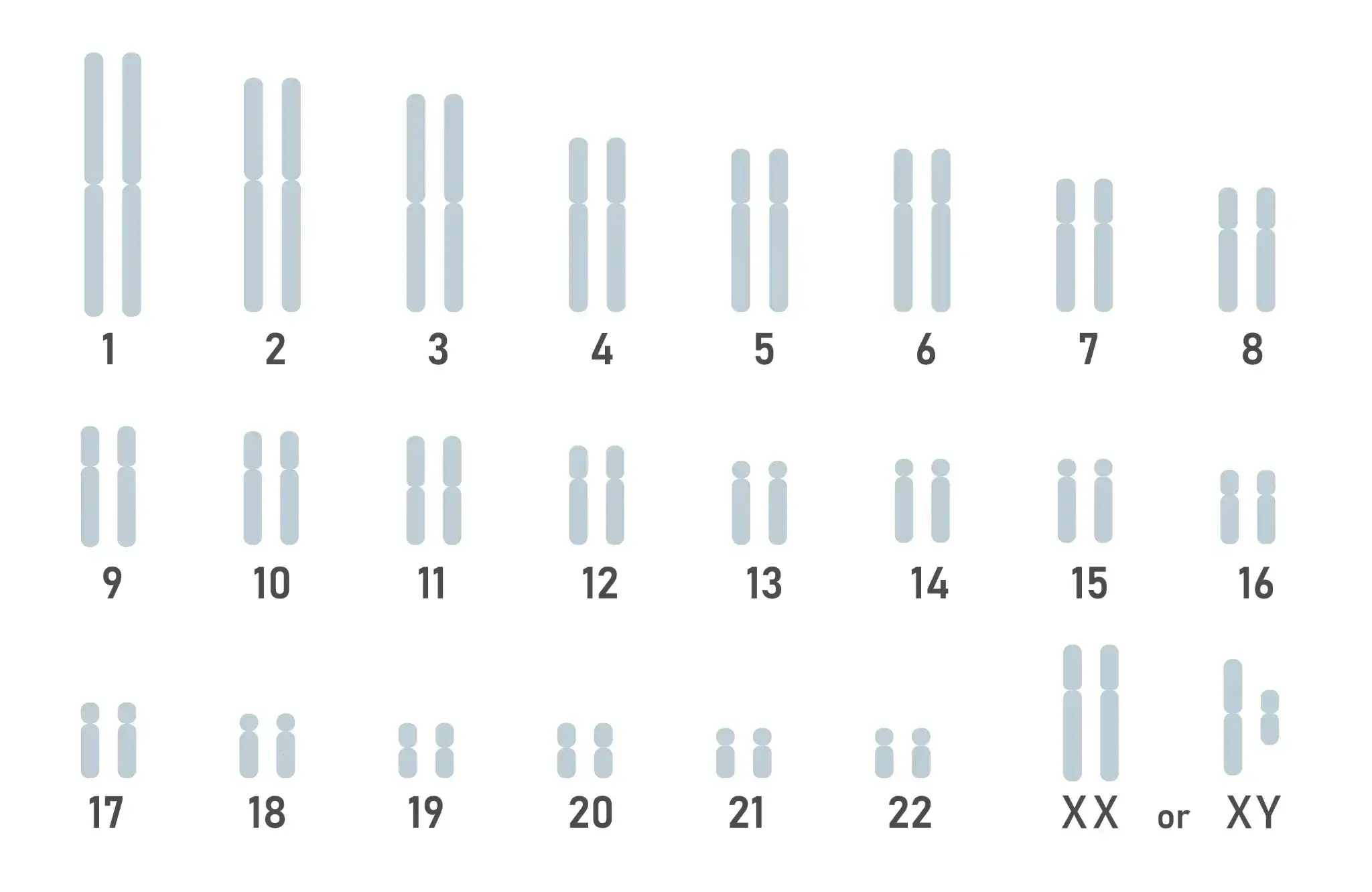
Schematic diagram of DNA map present in cells
- ■
- ■
- ■
- ■
- ■
- ■
- ■
- ■
- ■
Related genes
| Related genes | PTPRM |
|---|
Frequently asked questions (FAQ)
Q1. What is malaria resistance?
Malaria resistance is a genetic trait that influences an individual's immune response and symptom severity to the malaria parasite transmitted by mosquitoes.A study by Milet et al. at the University of Paris (1) found that the risk of moderate malaria symptoms differs depending on the genotype of the DNA region rs113776891.
Q2. What is the cause of malaria?
Malaria isProtozoa of the genus Plasmodium (mainly 5 species: P. falciparum, P. vivax, P. obale, P. malariae, and P. knowlesi)enters the body through a mosquito bite and multiplies within red blood cells (1).
Q3. What is the difference between mild malaria and severe malaria?
Mild malariaFever, chills, headache, muscle painSymptoms such as these are seen, but there is no damage to important organs. Severe malariaCerebral malaria and severe anemiaIt is associated with fatal complications and requires emergency treatment.
Q4. Can genetic testing determine malaria risk?
By testing the genotype of the DNA region rs113776891,Understand risk trends for moderate malaria symptomsYou can. Studies have shown that people with the T mutation genotype tend to be at increased risk (1).
References
- Reference link 1: 2019 Dec., Jacqueline Milet, Hum Genet