
 red wine preference

- Preference for red wine is a preference characteristic that is influenced by genes, taste sensitivities, and food culture.There are large individual differences.
- G-type mutation in DNA region rs713598A study at the University of Edinburgh found that people with
- Genetic differences in bitterness/astringency sensitivityinfluences the preference for red wine with strong tannins
Overview Red wine preferences are influenced by many factors, including personal experience, diet, culture, genetics, and environment. The flavor of red wine is determined by the grape variety, aging method, and the climate and soil where it is grown. For example, some people prefer full-bodied wines with strong tannins, while others prefer light and fruity wines. The strength of tannins and the balance of acidity and sweetness in the wine will affect your taste. Experience and knowledge also play a role in preferences, and as your understanding of wine deepens, your preferences may change. Cultural background is also important, with regions where wine is regularly consumed having a stronger preference for red wine. Genetic factors are also involved, with differences in sensitivity to bitterness and astringency influencing preferences. A study by May-Wilson et al. at the University of Edinburgh revealed that a DNA region called rs713598 is associated with a preference for red wine. There are three genotypes in this DNA region: CC, CG, and GG, and it was found that people with the G type mutation tend to prefer red wine.
What do you like about red wine?
Red wine preference is an individual's preference for the flavor, astringency, and acidity of red wine, and is influenced by a combination of genes, taste sensitivity, food culture, and experience.Preferences are not fixed, but change with the accumulation of knowledge and experience (1).
Factors influencing red wine preference
The factors that determine red wine preferences can be broadly classified into four categories.
- Genetic factors:Genetic variation (rs713598) that determines sensitivity to bitterness and astringency is involved in preference
- Taste factors:The balance of tannin strength, acidity, and sweetness determines your preference.
- Environmental factors:Grape variety, local climate, and aging method determine flavor.
- Cultural factors:In regions where wine is consumed on a daily basis, there is a strong preference for red wine.
Classification of red wine tastes
red wine isBody (weight)They are classified into three categories, and their preferences differ.
- Full body:Strong tannins, rich and heavy flavor (such as Cabernet Sauvignon)
- Medium body:Balanced, neutral flavors (Merlot, Sangiovese, etc.)
- Light body:Light and fruity (Pinot Noir, Gamay, etc.)
Differences in taste sensitivity due to genes
| Comparison items | People with high bitterness sensitivity | People with low bitterness sensitivity |
|---|---|---|
| How tannins feel | I feel a strong bitterness | Feel the bitterness mildly |
| preferred type of wine | Tendency to prefer light-bodied and sweet flavors | Tendency to prefer full-bodied and dry flavors |
| Preference for red wine | Preference for white wine | tendency to prefer red wine |
| Genotype trends | rs713598 CC type is common | rs713598 GG type is common |
Red wine preferences and health effects
contained in red winePolyphenol (resveratrol)has antioxidant effects.
- Adequate intake:Study suggests protective effect on cardiovascular system
- Overdose:Increased risk of liver disease and addiction
- Individual differences:Genetic differences in alcohol metabolism ability influence
Main factors influencing preferences
The level of preference for red wine varies greatly from person to person, and is influenced by the following factors:
- Genetic factors (genotype of DNA region rs713598)
- Accumulation of drinking experience and wine knowledge
- Food culture/living environment
- Changes in taste due to age
The relationship between genes and red wine preference
Relationship between DNA region rs713598 and preference tendency
A study by May-Wilson et al. at the University of Edinburgh (1) revealed that the DNA region rs713598 is associated with a preference for red wine.
- There are three genotypes of rs713598: CC, CG, and GG.
- Genotype with type G mutation(CG type/GG type) people tend to prefer red wine
Genotype distribution in Japanese (rs713598)
| Genotype | Percentage of Japanese people | percentage of the world |
|---|---|---|
| CC type | 18.7% | 33.3% |
| CG type | 49.0% | 48.7% |
| GG type | 32.1% | 17.8% |
Rationale for testing
External DNA region: red wine preference
The gene region that most strongly influences red wine preference is rs713598. The distribution of isomorphic genotypes in Japan is as follows.
- CC
18.7 % - CG
49.0 % - GG
32.1 %
Basis for inspection
A study by May-Wilson and colleagues at the University of Edinburgh revealed that genes are associated with red wine preferences. There is a region called rs713598 in the human genome, and there are two types of mutations, C and G, in the gene in this region. It was found that people with the G-type mutation tend to prefer red wine (1).
The DNA region investigated this time
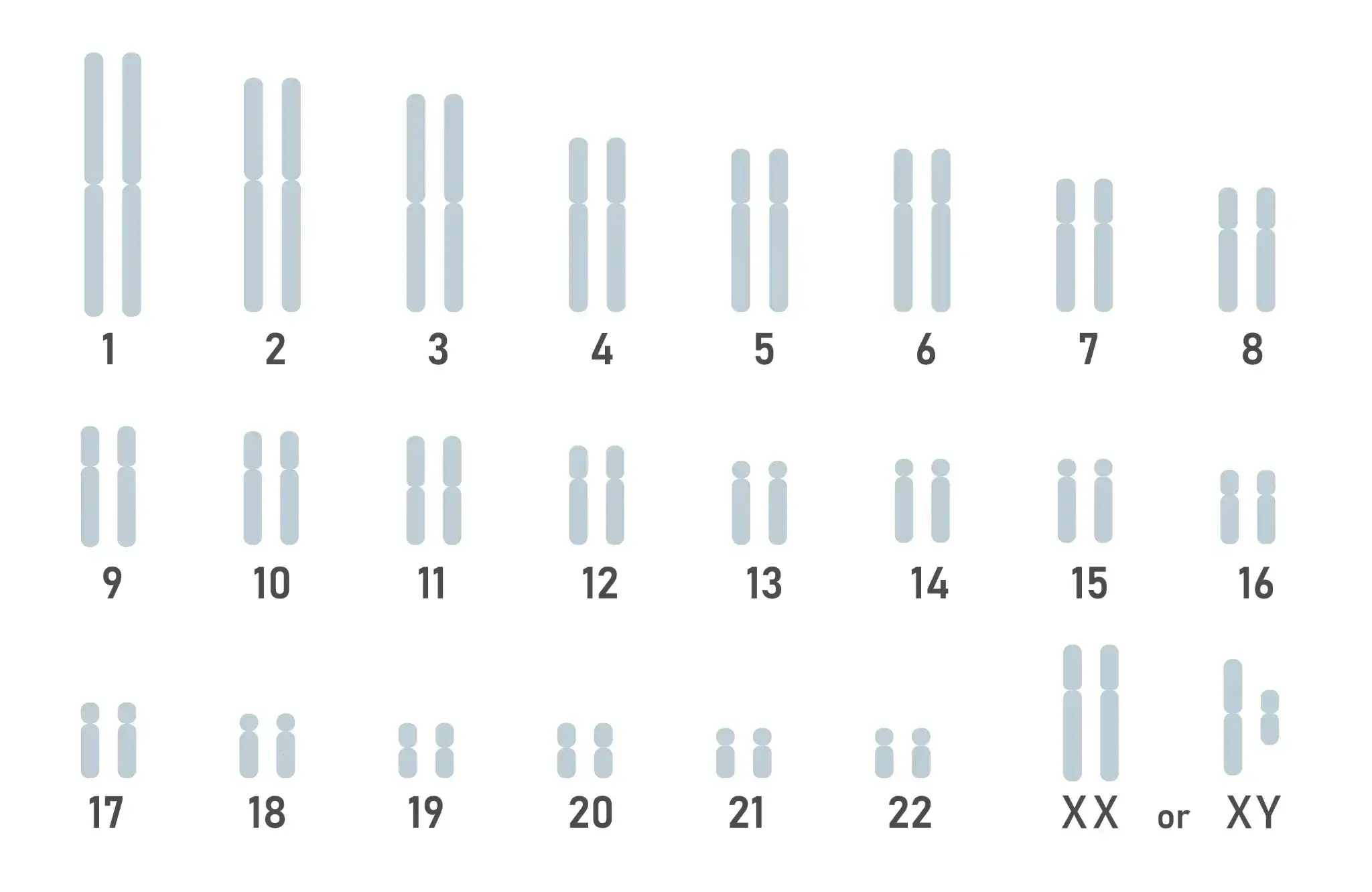
Schematic diagram of DNA map present in cells
- ■
- ■
- ■
- ■
- ■
- ■
- ■
- ■
- ■
Related genes
| Related genes | MGAM |
|---|
Frequently asked questions (FAQ)
Q1. Is your preference for red wine determined by genes?
Genes play a role in your preference for red wine.A study by May-Wilson and colleagues at the University of Edinburgh found that people with the G mutation in the rs713598 DNA region tend to prefer red wine. However, experiences, food culture, and environment also influence preferences (1).
Q2. What factors influence your preference for red wine?
I like red wine,Genetic bitterness/astringency sensitivity, grape varieties and aging methods, food culture/drinking experience, sense of balance between tannins, acidity, and sweetnessIt is influenced by multiple factors such as (1).
Q3. Can genetic testing determine trends in red wine preferences?
By examining the genotype of DNA region rs713598,Understand red wine preference trendsYou can. There are three genotypes: CC, CG, and GG, and people with the G mutation (CG and GG) tend to prefer red wine (1).
Q4. Is there a relationship between red wine taste sensitivity and genes?
Mutations in bitter taste receptor genes are involved in taste sensitivity.People who are sensitive to bitterness tend to avoid red wines with high tannins, while people with low sensitivity tend to prefer full-bodied red wines.
References
- Reference link 1: 2022 May., Sebastian May-Wilson, Nat Commun