
 psoriasis

- Psoriasis is a chronic skin disease in which skin cell proliferation accelerates approximately 10 times due to immune abnormalities.Approximately 2-3% of the world's population is affected by this disease.
- Type A mutation in DNA region rs9808753Research shows that people with the disease tend to be at higher risk of developing
- Related genesIFNGR2is involved in immune response regulation through interferon gamma receptors
Overview Psoriasis is a chronic skin condition in which the skin becomes red, inflamed, and appears with silvery-white scales. These scales are called plaques and can vary in size and weight and can cause itching and pain. Psoriasis occurs when the immune system mistakenly accelerates skin cell growth, causing rapid accumulation of cells on the skin. It commonly appears on the scalp, elbows, knees, and lower back. Although the appearance of psoriasis varies from person to person, psoriasis can cause the skin to become thickened, raised, and covered with fine scales. During attacks, the plaques coalesce and spread, and psoriasis can also affect the nails, causing dimples, abnormal growth, and discoloration. It also causes joint pain and swelling called psoriatic arthritis. Symptoms fluctuate depending on factors such as stress, infection, and changes in weather, and sometimes symptoms may disappear. A study by Zuo et al. of Fudan University revealed that the risk of developing psoriasis is associated with a DNA region called rs9808753. There are three genotypes in this DNA region: AA, AG, and GG, and it was found that people with the A genotype tend to have a higher risk of psoriasis.
What is psoriasis?
Psoriasis is a chronic skin disease in which red inflammation and silvery-white scales (plaques) appear on the skin surface due to an abnormality in the immune system that accelerates skin cell turnover to approximately 10 times the normal rate.Approximately 2-3% of the world's population is affected.
Causes and mechanisms of psoriasis
Psoriasis occurs when the immune system mistakenly accelerates skin cell growth, causing rapid accumulation of cells on the skin. Normal skin cell turnover is about 28 days, but in psoriasis it is reduced to 3 to 4 days.
- Immune abnormality:T cells mistakenly attack healthy skin cells and release inflammatory cytokines
- Hyperproliferation of skin cells:Keratinocytes proliferate abnormally and form scales (plaques)
- Genetic predisposition:Type A mutation in DNA region rs9808753 is associated with risk (Fudan University Zuo et al., 2015)
The main risk factors are:
- Genetic predisposition (family history)
- Stress/mental load
- Infectious diseases (especially streptococcal infections)
- Changes in weather (cold, low humidity)
- Certain drugs (lithium, beta blockers, etc.)
Main symptoms of psoriasis
Symptoms vary from person to person, but the following are typical.
- of the skinred inflammationandsilvery scales(plaque)
- Plaque itch/pain
- Nail pitting, abnormal growth, and discoloration
- psoriatic arthritis(joint pain/swelling)
- Commonly affects the scalp, elbows, knees, and lower back.
Types and characteristics of psoriasis
| type | Features | Frequently occurring site |
|---|---|---|
| plaque psoriasis | Most common (about 80-90%). Red bumps and silvery scales | Elbows, knees, scalp, lower back |
| guttate psoriasis | Small droplet-like lesions. Onset after streptococcal infection | Trunk/limbs |
| pustular psoriasis | Vesicles containing pus appear. There is a risk of serious illness | Palms, soles, whole body |
| psoriatic erythroderma | The skin all over the body is red and inflamed. urgent treatment required | whole body |
| psoriatic arthritis | Inflammation, swelling, and pain in the joints. Complicated in approximately 30% of psoriasis patients | Fingers, spine, large joints |
psoriasis treatment
Treatment is given in stages depending on the severity of symptoms.
- External therapy:Topical steroids/vitamin D3
- Phototherapy:Ultraviolet (UVB) irradiation/PUVA therapy
- Systemic therapy:Immunosuppressants/biological drugs (anti-TNF-α antibody, anti-IL-17 antibody, etc.)
The relationship between genes and psoriasis
Relationship between DNA region rs9808753 and onset risk
A study by Zuo et al. of Fudan University (2015, Nat Commun) found that the DNA region rs9808753 is associated with the risk of developing psoriasis.
- There are three genotypes of rs9808753: AA, AG, and GG.
- Genotype with type A mutationpeople tend to be at higher risk of psoriasis
Genotype distribution in Japanese (rs9808753)
| Genotype | Percentage of Japanese people | percentage of the world |
|---|---|---|
| AA type | 23.5% | 72.9% |
| AG type | 49.9% | 24.9% |
| GG type | 26.4% | 2.1% |
Rationale for testing
Surface DNA region: psoriasis
The gene region that most strongly affects psoriasis is rs9808753. The distribution of isomorphic genotypes in Japan is as follows.
- AA
23.5 % - AG
49.9 % - GG
26.4 %
Basis for inspection
A study by Zuo et al. of Fudan University revealed that the risk of developing psoriasis is related to genes. There is a region called rs9808753 in the human genome, and there are two types of mutations, A and G, in the gene in this region. It was found that people with the type A mutation tend to have a higher risk of psoriasis.
The DNA region investigated this time
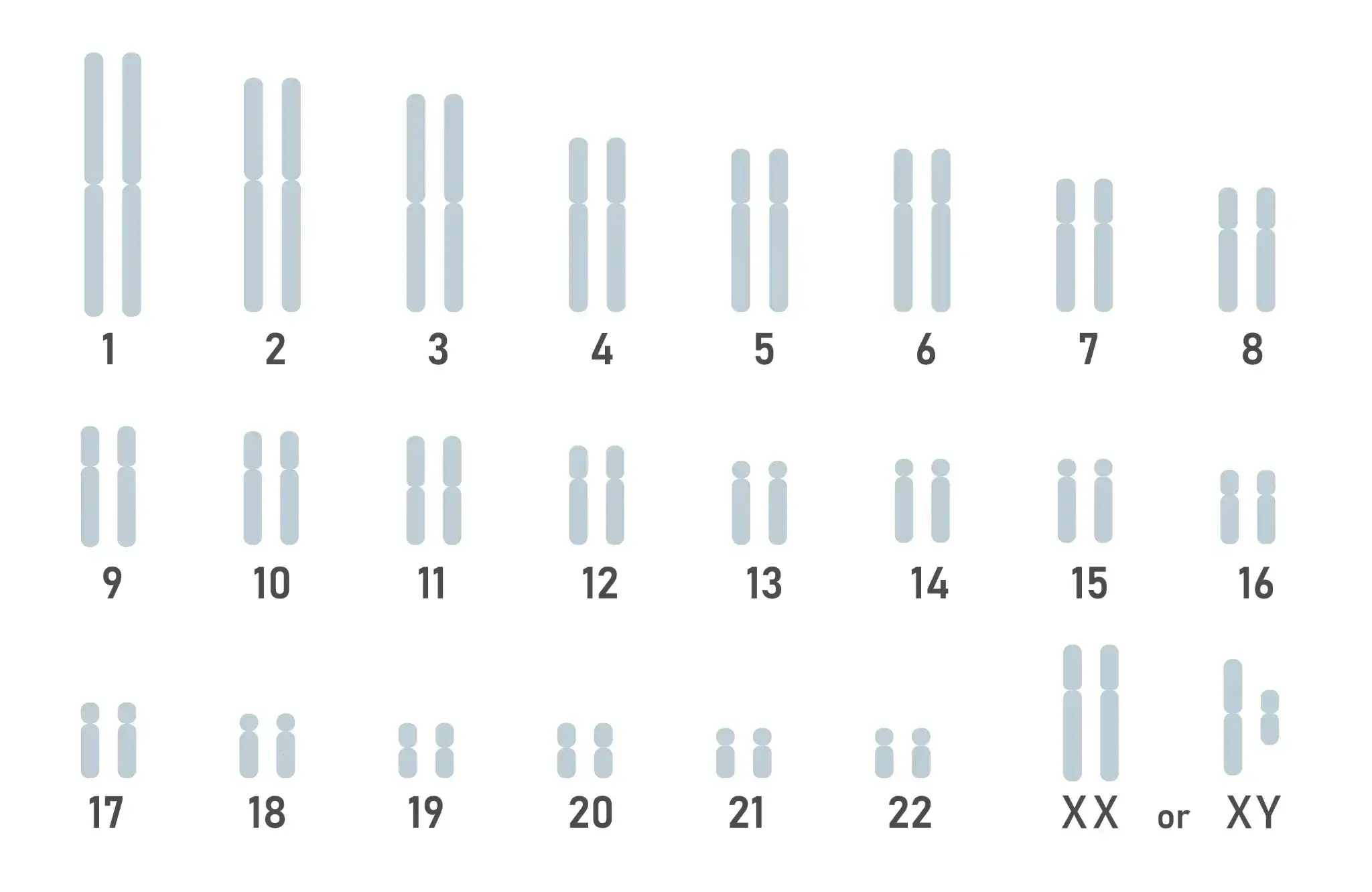
Schematic diagram of DNA map present in cells
- ■
- ■
- ■
- ■
- ■
- ■
- ■
- ■
- ■
Related genes
| Related genes | IFNGR2 |
|---|
Frequently asked questions (FAQ)
Q1. What is psoriasis?
Psoriasis is a chronic skin disease in which an abnormality in the immune system causes skin cell turnover to accelerate approximately 10 times the normal rate, resulting in red inflammation and silvery-white scales.Approximately 2-3% of the world's population is affected, and it often affects the scalp, elbows, knees, and lower back.
Q2. What is the cause of psoriasis?
The main cause isOveractivation of T cells due to abnormalities in the immune systemIt is. Genetic predisposition (type A mutation in DNA region rs9808753), stress, infectious diseases, and changes in weather can trigger the onset and worsening of the disease.
Q3. Is psoriasis hereditary?
Psoriasis has a genetic predisposition.Research by Zuo et al. at Fudan UniversityIt has been found that people with the type A mutation in the DNA region rs9808753 tend to have a higher risk of psoriasis. In Japanese, the distribution is 23.5% of type AA, 49.9% of type AG, and 26.4% of type GG.
Q4. What treatments are available for psoriasis?
The treatment isTopical therapy (steroids/vitamin D3 topical drugs)、Phototherapy (ultraviolet radiation)、Systemic therapy (immunosuppressants/biological agents)It is classified into three stages. Treatment will proceed in stages depending on the severity of the symptoms.
References
- Reference link 1: 2015 Apr., Xianbo Zuo, Nat Commun