
 prostate cancer

- Prostate cancer is one of the most common cancers in menIn Japan, it is predicted that by 2024 it will be the number one cancer case among men.
- G-type mutation in DNA region rs130067 of gene CCHCR1Research shows that people with the disease tend to be at higher risk of developing
- compared to other cancersProgression is slow and cure rate is high if detected earlyTherefore, it is important to understand genetic risks and have regular checkups.
Overview The prostate is an organ involved in male reproductive function and is located surrounding the urethra. The secretion of prostatic fluid plays an important role in nourishing and protecting sperm. However, prostate cancer is one of the diseases with a very high incidence around the world, and especially in the United States, it is the most common cancer among men. Easterners, including Japanese, were originally thought to have a low risk of developing prostate cancer, but due to aging and Westernized dietary habits, the risk of developing prostate cancer has increased rapidly over the past 20 years. According to a research team of the Ministry of Health, Labor and Welfare, prostate cancer is expected to become the most common cancer among men in Japan by 2024. The onset of prostate cancer is thought to be related to genetic factors as well as male hormones, age, and diet. Recent research has revealed that the gene "CCHCR1" is likely to influence the risk of developing prostate cancer. By determining your own genetic type through genetic testing, you can learn about your risk of developing prostate cancer, which is expected to be useful for early detection and treatment. 2. Rationale Research conducted by the Institute of Cancer Research, University of London has revealed that some people are more susceptible to developing prostate cancer depending on the specific type of the gene CCHCR1. This research was also conducted in collaboration with the United States and Australia. One of the DNA regions of the gene "CCHCR1" is a region called "rs130067." (Reference link 1) There are three genotypes in this DNA region: TT type, TG type, and GG type. It is known that people with the "G" genotype, such as "TG type" or "GG type," have a part of the "CCHCR1" protein changed from glutamic acid to aspartic acid, and are more likely to develop prostate cancer. The genetic types of Japanese people are as follows. "TT type" is the most common condition at 48.7%, and "GG type" is the least common at 10.6%. (Reference link 2) When ``GG type'' and ``TG type'' are combined, one out of every two men has the G genotype, which is the risk allele for developing prostate cancer. Prostate cancer progresses relatively slowly compared to cancers of other organs, so it can be said to be easily cured if detected early. However, in the early stages, there are not many symptoms, and there are many cases where the disease is discovered late. v As the disease progresses, it may metastasize to bones and organs, so early detection and appropriate treatment are important. Understanding the genetic risk of developing prostate cancer will help lead to early detection and early treatment of the disease. 3. Mechanism of action CCHCR1, a gene that may be involved in the development of prostate cancer, is located on chromosome 6 of the 24 human chromosomes. It is known that when the gene "CCHCR1" is not properly regulated, it affects the activation of the protein "EGFR". The protein ``EGFR'' plays an important role in the proliferation of cancer cells, and when the protein ``EGFR'' is affected by an abnormality in the gene ``CCHCR1'', a switch that promotes the proliferation of cancer cells is always turned on. (Reference link 3) Therefore, the DNA region ``rs130067'' of the gene ``CCHCR1'', which is said to be closely related to the onset of prostate cancer, is one of the single nucleotide polymorphisms that deserves attention.
What is prostate cancer?
Prostate cancer is a malignant tumor that occurs in the prostate gland of men, and is one of the most common cancers in men worldwide.In the United States, it is the most common cancer among men.
Causes and risk factors of prostate cancer
Multiple factors are involved in the development of prostate cancer.
- Aging:Incidence rate increases markedly in men over 50 years old
- Male hormones:Testosterone promotes prostate cancer cell growth
- Genetic predisposition:If you have a family history, your risk of developing the disease increases approximately 2-3 times.
- Diet:High-fat diets and Western-style diets increase the risk of developing the disease.
- Racial differences:Easterners are originally at low risk, but the risk increases rapidly due to the Westernization of dietary habits.
Why is prostate cancer rapidly increasing in Japan?
Easterners, including Japanese, were originally thought to have a low risk of developing prostate cancer. butThe effects of aging and Westernized eating habitsThe number of cases has increased rapidly over the past 20 years. According to the research team of the Ministry of Health, Labor and Welfare,By 2024, we will be number one in the number of cancer cases in menIt is predicted that it will be.
Main symptoms of prostate cancer
prostate cancer isThere are almost no symptoms in the early stagesTherefore, there are cases where the discovery is delayed.
- Difficulty urinating/frequent urination/nocturia
- decreased urine flow
- Hematuria/blood in semen
- Chronic pain in the pelvis, hips, and back (advanced stage)
Comparison of prostate cancer and other cancers
| Comparison items | prostate cancer | lung cancer | colorectal cancer |
|---|---|---|---|
| Age of onset | Over 50 years old | Over 60 years old | Over 50 years old |
| Progress speed | slow | fast | medium |
| 5 year survival rate | Approximately 99% (limited period) | Approximately 20% | Approximately 72% |
| Main inspection | PSA test | CT examination | Endoscopy |
| genetic factors | strong association | medium | medium |
Diagnosis and treatment of prostate cancer
It is diagnosed by the following tests.
- PSA test:Measuring blood prostate-specific antigen levels
- Digital rectal examination:Check the hardness and shape of the prostate by palpation
- Prostate biopsy:Collect tissue and confirm diagnosis using a microscope
- MRI examination:Evaluation of cancer spread and metastasis
Treatment options include surveillance therapy, surgical therapy, radiation therapy, hormone therapy, and chemotherapy, depending on the stage of the disease.
Key points to prevent prostate cancer
- Regular PSA test:Annual examination is recommended for men over 50 years old.
- Improving your eating habits:Avoid animal fat and actively consume soybean foods and tomatoes (lycopene)
- Moderate exercise:Moderate-intensity aerobic exercise of 150 minutes or more per week helps reduce risk
- Utilization of genetic testing:Check for genetic risk early if you have a family history
The relationship between genes and prostate cancer
Relationship between DNA region rs130067 and onset risk
A study by Schumacher et al. at the Institute of Cancer Research, University of London found that the DNA region rs130067 of the gene CCHCR1 is associated with the risk of developing prostate cancer.
- There are three genotypes of rs130067: TT, TG, and GG.
- Genotype with G-type mutation (TG type/GG type)men tend to have a higher risk of prostate cancer
- Due to the G-type mutation, a part of the CCHCR1 protein changes from glutamic acid to aspartic acid, which affects the activation of EGFR protein.
Mechanism of action of gene CCHCR1
The gene CCHCR1 is found among 24 chromosomeschromosome 6It is located in If CCHCR1 is not properly controlled,EGFR protein activationA switch that affects cancer cells and promotes cancer cell proliferation is always on. This mechanism increases the risk of developing prostate cancer.
Genotype distribution in Japanese (rs130067)
| Genotype | Percentage of Japanese people | percentage of the world |
|---|---|---|
| TT type | 51.3% | 64.9% |
| TG type | 40.6% | 31.2% |
| GG type | 8.0% | 3.7% |
In Japanese people, the combination of TG type and GG typeApproximately 48.6%carry the G-type risk allele, and approximately 1 in 2 people has the G-type mutation. It is noteworthy that the Japanese population has a higher prevalence of type G compared to the world average (34.9%).
Rationale for testing
Superficial DNA region: prostate cancer
The gene region that most strongly affects prostate cancer is rs130067. The distribution of isomorphic genotypes in Japan is as follows.
- TT
51.3 % - TG
40.6 % - GG
8.0 %
Another gene region involved in prostate cancer is rs138708. The distribution of isomorphic genotypes in Japan is as follows
- GG
64.4 % - GA
31.6 % - AA
3.8 %
Another gene region associated with prostate cancer is rs1805087. The distribution of isomorphic genotypes in Japan is as follows
- AA
66.7 % - AG
29.8 % - GG
3.3 %
Another gene region associated with prostate cancer is rs705308. The distribution of isomorphic genotypes in Japan is as follows
- CC
0.6 % - CA
15.0 % - AA
84.3 %
Another gene region involved in prostate cancer is rs7064929. The distribution of isomorphic genotypes in Japan is as follows
- GG
99.9 % - GA
0.1%以下 - AA
0.1%以下
Basis for inspection
A study by Schumacher and colleagues at the Institute of Cancer Research, University of London, revealed that the risk of developing prostate cancer is linked to genes. There are two types of mutations, T and G, in the DNA region rs130067 of the gene CCHCR1, and people with the G type mutation (TG type and GG type) tend to have a higher risk of prostate cancer. The G-type mutation changes the amino acid in the CCHCR1 protein from glutamic acid to aspartic acid, which affects the activation of the EGFR protein and promotes cancer cell proliferation.
The DNA region investigated this time
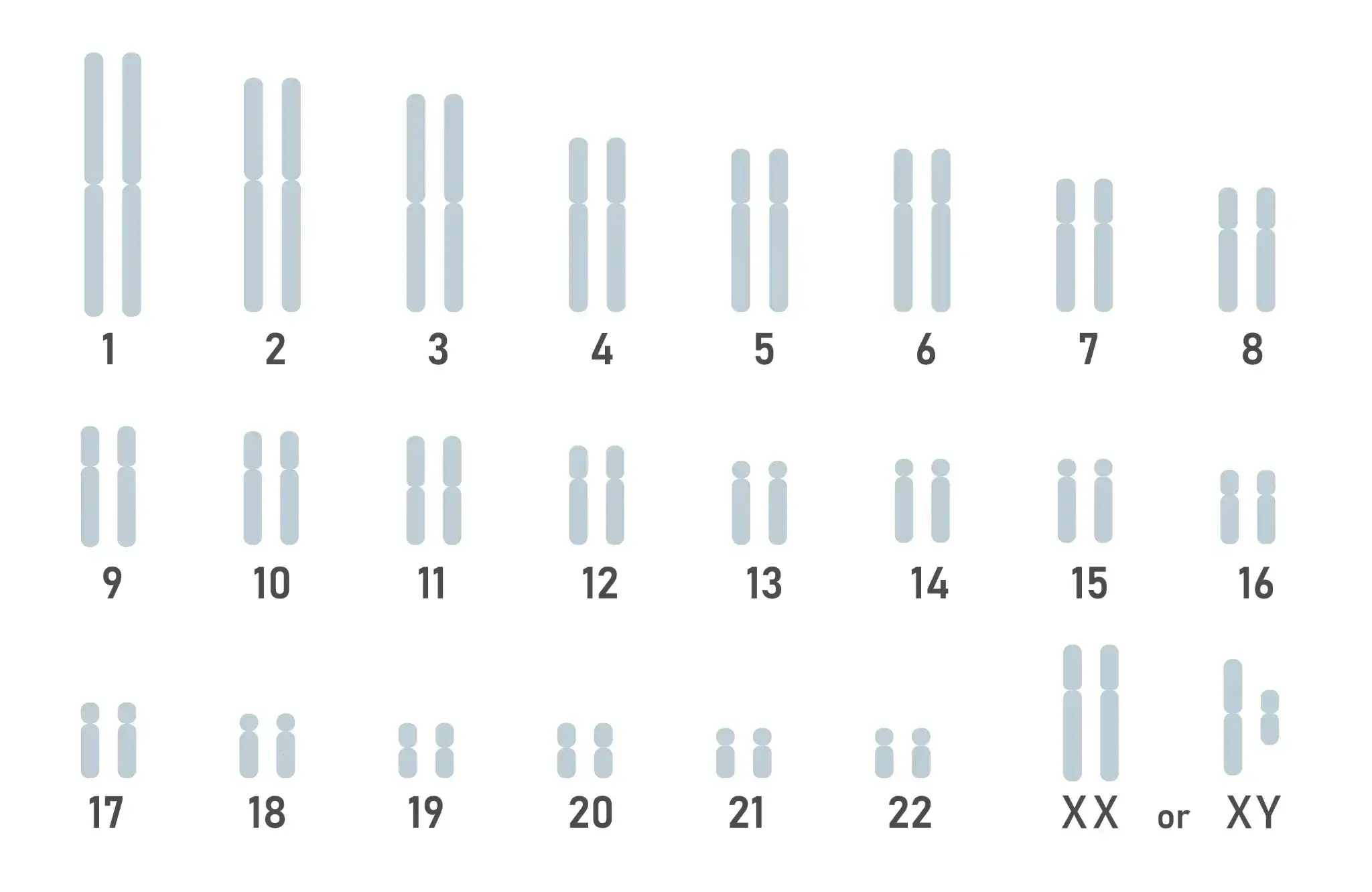
Schematic diagram of DNA map present in cells
- ■
- ■
- ■
- ■
- ■
- ■
- ■
- ■
- ■
Related genes
| Related genes | CCHCR1 |
|---|---|
| Related genes | SUN2 |
| Related genes | MTR |
| Related genes | RN7SL478P |
| Related genes | ZC3H12B |
Frequently asked questions (FAQ)
Q1. What is prostate cancer?
Prostate cancer is a malignant tumor that develops in the prostate gland of men.In Japan, it is predicted to be the number one cancer case among men. The incidence increases markedly in people over the age of 50, and aging, diet, and genetic predisposition are all involved.
Q2. What is the cause of prostate cancer?
The main cause isAging, male hormones, genetic predisposition, Western dietis. Carriers of the G mutation in the rs130067 DNA region of the CCHCR1 gene tend to be at higher risk. High-fat diet and obesity have also been reported as risk factors.
Q3. Can genetic testing determine the risk of prostate cancer?
By examining the genotype of DNA region rs130067,Understand trends in the risk of developing prostate cancerYou can. People with the G type mutation (TG type/GG type) are at high risk, and approximately 48.6% of Japanese people carry the G type.
Q4. Can prostate cancer be cured?
Compared to other cancers, prostate cancer progresses slowly and has a high cure rate if detected early.The 5-year survival rate for limited-stage disease is approximately 99%. However, since there are few symptoms in the early stages, annual PSA testing is recommended for men over the age of 50.
References
- Reference link 1: 2018 Jun., Fredrick R. Schumacher, nature genetics.
- Reference link 2: Information on DNA region “rs130067” SNPedia
- Reference link 3: 2009 Jun., Sari Suomela, PloS one.
- Reference link 4: 2018 Jul., Fredrick R Schumacher, Nat Genet
- Reference link 5: 2019 Sep., Ryo Takata, Nat Commun
- Reference link 6: 2020 Aug., Wei Zhang, Sci Rep
- Reference link 7: 2021 Jul., Nadav Brandes, Sci Rep
- Reference link 8: 2010 Dec., Sarah L Kerns, Int J Radiat Oncol Biol Phys
- Reference link 9: 2011 Jul., Zsofia Kote-Jarai, Nat Genet
- Reference link 10: 2021 Jan., David V Conti, Nat Genet
- Reference link 11: 2018 Oct., Xiaosong Zhang, Aging (Albany NY)