
 Plasma betaine concentration

- Plasma betaine is an important biomarker used in the diagnosis and prognosis of heart disease and inflammation.The blood concentration increases during myocardial damage.
- Type C mutation in DNA region rs2851391Study finds that people with the disease tend to have higher plasma betaine levels
- Measuring plasma betaine concentrationblood testIt is useful for diagnosing heart diseases, chronic diseases, and severe infections.
Overview Plasma betaine is a protein present in the blood and is an important biomarker used in the diagnosis and prognosis of pathologies, especially those related to the heart and blood vessels. Plasma betaine is released into the blood in response to cell damage, stress, and inflammation. In heart diseases, such as myocardial infarction (heart attack) and heart failure, plasma betaine levels may increase in the blood because the heart muscle is damaged. For this reason, measuring plasma betaine is useful in diagnosing heart disease and evaluating medical conditions. Plasma betaine can also fluctuate in chronic diseases and severe infections, with high plasma betaine levels indicating ongoing inflammation and tissue damage. Measuring plasma betaine is done through blood tests and plays an important role in the diagnosis and follow-up of certain diseases. However, high plasma betaine levels do not necessarily indicate a specific disease, and it is important to perform a comprehensive evaluation in combination with other diagnostic results and clinical symptoms. Research by Shin et al. at the Wellcome Trust Sanger Institute revealed that plasma betaine concentrations are associated with a DNA region called rs2851391. There are three genotypes in this DNA region: TT, TC, and CC, and it was found that people with type C mutations tend to have higher plasma betaine concentrations.
What is plasma betaine concentration?
Plasma betaine (plasma betaine) is a protein present in the blood and is an important biomarker used in the diagnosis and prognosis of pathologies related to the heart and blood vessels.It is released into the blood in response to cell damage, stress, and inflammation.
Why plasma betaine levels increase
In heart diseases, such as myocardial infarction (heart attack) and heart failure, plasma betaine levels increase in the blood because the heart muscle is damaged. Therefore, measuring plasma betaine is effective in diagnosing heart disease and evaluating medical conditions.
- Heart disease:Concentration increases due to myocardial damage due to myocardial infarction/heart failure
- Chronic disease:Fluctuations with long-term inflammation
- Severe infection:Suggests progression of tissue damage
Significance of measuring plasma betaine concentration
Measuring plasma betaineblood testIt plays an important role in the diagnosis and follow-up of certain diseases.
- Early detection and diagnosis of heart disease
- Evaluation of progression of inflammation and tissue damage
- Monitoring treatment effectiveness
Attention:A high plasma betaine concentration does not necessarily indicate a specific disease, and it is necessary to perform a comprehensive evaluation in combination with other diagnostic results and clinical symptoms.
Comparison of high and low plasma betaine concentrations
| Comparison items | If the price is high | For normal values |
|---|---|---|
| Suggested condition | Ongoing inflammation/tissue damage | No abnormality in heart or blood vessels |
| Related diseases | Myocardial infarction, heart failure, severe infection | Nothing in particular |
| Correspondence | Detailed examination and continuous observation are required | Follow-up with regular check-ups |
Relationship between genes and plasma betaine concentration
Relationship between DNA region rs2851391 and plasma betaine concentration
A study by Shin et al. (1) at the Wellcome Trust Sanger Institute found that the DNA region rs2851391 was associated with plasma betaine concentration.
- There are three genotypes of rs2851391: TT, TC, and CC.
- Genotype with type C mutationpeople tend to have higher plasma betaine concentrations
Genotype distribution in Japanese (rs2851391)
| Genotype | Percentage of Japanese people | percentage of the world |
|---|---|---|
| TT type | 15.5% | 19.1% |
| TC type | 47.7% | 49.2% |
| CC type | 36.6% | 31.6% |
Rationale for testing
Surface DNA region: plasma betaine concentration
The gene region that most strongly influences plasma betaine concentrations is rs2851391. The distribution of isomorphic genotypes in Japan is as follows.
- TT
15.5 % - TC
47.7 % - CC
36.6 %
Basis for inspection
A study by Shin et al. at the Wellcome Trust Sanger Institute revealed that plasma betaine levels are linked to genes. There is a region called rs2851391 in the human genome, and there are two types of mutations, T and C, in the gene in this region. It has been found that individuals with the T-type mutation tend to have higher plasma betaine concentrations (1).
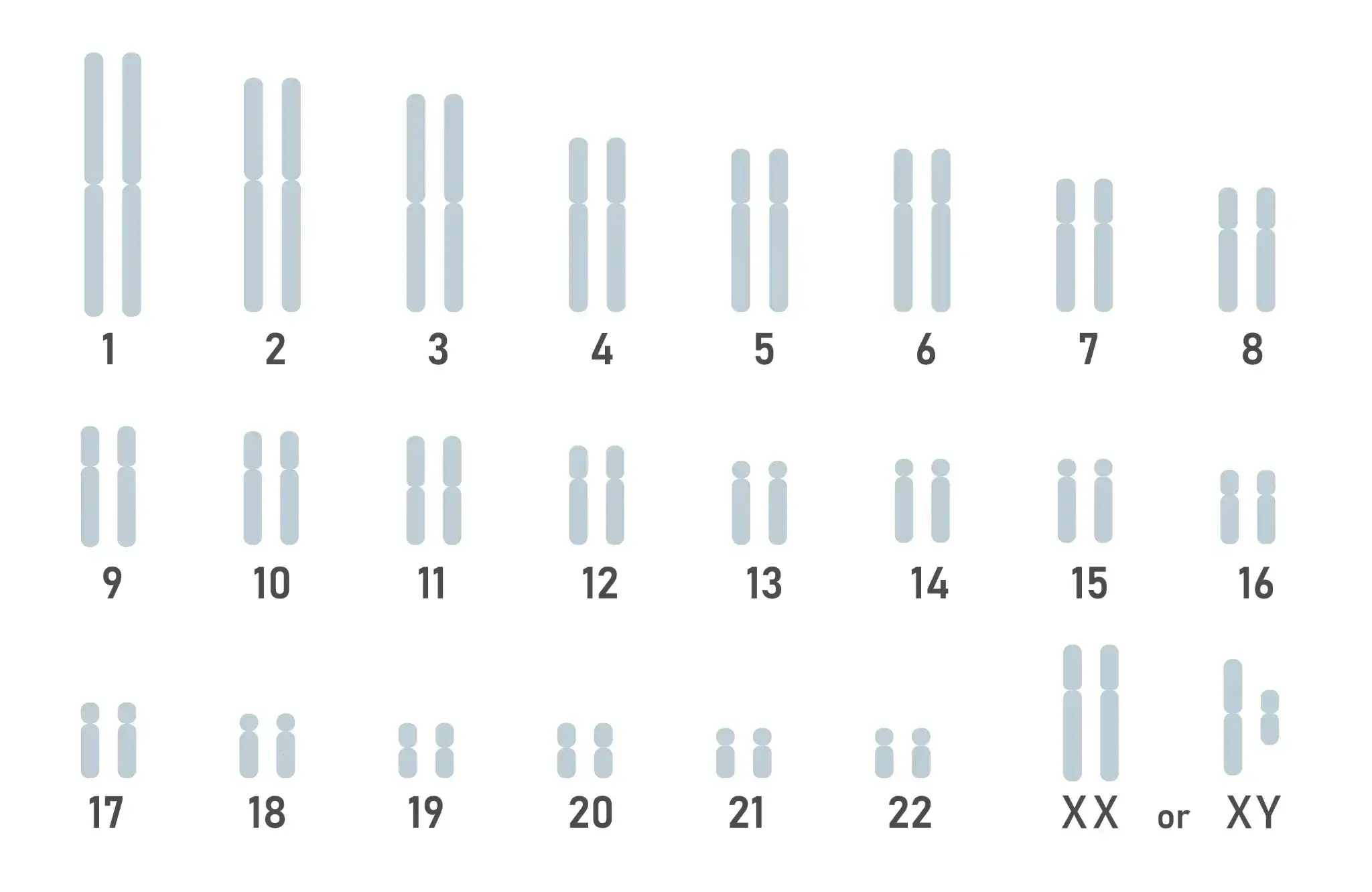
The DNA region investigated this time
Schematic diagram of DNA map present in cells
- ■
- ■
- ■
- ■
- ■
- ■
- ■
- ■
- ■
Related genes
| Related genes | CBS |
|---|
Frequently asked questions (FAQ)
Q1. What is plasma betaine concentration?
Plasma betaine is a protein present in the blood and is an important biomarker used in the diagnosis and prognosis of cardiovascular diseases.Blood levels increase due to myocardial damage during myocardial infarction or heart failure (1).
Q2. What happens if the plasma betaine concentration is high?
If plasma betaine levels are high,Progressing inflammation and tissue damagesuggests that. It tends to increase with heart disease, chronic disease, and severe infection, and must be comprehensively evaluated in conjunction with other diagnostic results.
Q3. What is the relationship between plasma betaine concentration and genes?
According to research by Shin et al. at the Wellcome Trust Sanger Institute,DNA region rs2851391 is associated with plasma betaine concentrationIt turns out that it is. People with the type C mutation tend to have higher concentrations (1).
Q4. What is the genotype distribution of plasma betaine concentration?
The genotype distribution of the DNA region rs2851391 in Japanese people isTT type 15.5%, TC type 47.7%, CC type 36.6%It is. Worldwide, TT type accounts for 19.1%, TC type 49.2%, and CC type 31.6% (1).
References
- Reference link 1: 2014 Jun., So-Youn Shin, Nat Genet