
 Peritonsillar abscess

- Peritonsillar abscess is a deep infection in which pus accumulates around the tonsils.The main cause is worsening of acute tonsillitis.
- T-type mutation in DNA region rs9542155A University of Helsinki study found that people with
- The prevalence of type TT among Japanese people is 28.9%., which is 18.0 points higher than the world average of 10.9%.
Overview A peritonsillar abscess is a deep infection that develops around the tonsils at the back of the throat. This is caused by normal tonsillitis worsening and bacteria accumulating and multiplying around the tonsils. The symptoms of a peritonsillar abscess have characteristics that distinguish it from normal tonsillitis. The main symptom is severe pain in the throat on one side, which may radiate to the ear. This pain may be especially severe when swallowing (dysphagia) and may make it difficult to open the mouth completely (maxillopalatine adhesions). There is also a change in the voice called the "hot potato voice," where the voice sounds muffled and nasal. Fever, chills, and general feeling unwell are also common, indicating that the body is responding to the infection. On examination, the affected area may be red and swollen, and the tonsils may appear asymmetrical. In severe cases, a collection of pus or fluid may be seen, indicating the presence of an abscess. This condition requires prompt medical care and can lead to complications if not treated properly. A study by Saarentaus et al. at the University of Helsinki revealed that the risk of developing peritonsillar abscess is associated with the DNA region rs9542155. There are three genotypes in this DNA region: TT, TC, and CC, and it was found that people with the T genotype tend to have a higher risk of peritonsillar abscess.
What is a peritonsillar abscess?
A peritonsillar abscess is a deep infection in which pus accumulates in the tissue surrounding the tonsils at the back of the throat.It occurs when normal acute tonsillitis worsens and bacteria invade and multiply in the connective tissue around the tonsils. It is a disease that requires prompt medical intervention and can lead to serious complications if not properly treated.
Main causes of peritonsillar abscess
The mechanism of development of peritonsillar abscess is that inflammation from tonsillitis spreads to the peritonsillar area.
- Bacterial infection:Group A β-hemolytic streptococcus and anaerobic bacteria invade the connective tissue around the tonsils.
- Worsening of tonsillitis:Progresses if acute tonsillitis is not treated appropriately
- Genetic predisposition:The T-type mutation in the DNA region rs9542155 is associated with the risk of developing the disease.
- Immune function decline:Increased risk of developing the disease if the general condition deteriorates or if the patient is immunosuppressed.
Characteristic symptoms of peritonsillar abscess
The symptoms of a peritonsillar abscess are distinguishable from normal tonsillitis.
- Unilateral severe sore throat:Intense pain concentrated on one side of the throat, which may radiate to the ear
- Dysphagia:Pain that increases significantly when swallowing
- Trismus (trismus):Difficulty opening the mouth completely
- Hot potato voice:A distinctive change in the voice that makes it sound muffled and nasal
- Fever, chills, general malaise:Systemic symptoms that indicate the body is responding to an infection
Difference between peritonsillar abscess and acute tonsillitis
Peritonsillar abscess and acute tonsillitis differ in the severity of symptoms and treatment.
| Comparison items | Peritonsillar abscess | acute tonsillitis |
|---|---|---|
| Lesion site | connective tissue around tonsils | tonsils themselves |
| Characteristics of pain | unilateral severe pain | bilateral pain |
| trismus | Yes (emergency) | None |
| change in voice | hot potato voice | mild hoarseness |
| treatment method | Fine needle aspiration/incision and drainage + antibiotics | Antibiotic administration |
| Urgency | High (requires prompt medical intervention) | medium |
Treatment of peritonsillar abscess
The basic treatment for peritonsillar abscess is drainage and administration of antibiotics.
- Needle aspiration:How to aspirate pus with a needle
- Incision and drainage:How to drain pus by making an incision with a scalpel
- Antibiotic administration:Administration of antibiotics such as penicillin and clindamycin
- Tonsillectomy:Surgical treatment considered in case of repeated recurrence
Relationship between genes and peritonsillar abscess
Relationship between DNA region rs9542155 and onset risk
A study by Saarentaus et al. at the University of Helsinki (1) revealed that the DNA region rs9542155 is associated with the risk of developing peritonsillar abscess.
- There are three genotypes of rs9542155: TT, TC, and CC.
- Genotype with T-type mutationtend to be at increased risk of peritonsillar abscesses
- The related genes areKLHL1(Kelch Like Family Member 1)
Genotype distribution in Japanese (rs9542155)
There are differences in genotype distribution between Japanese and the rest of the world.
| Genotype | Percentage of Japanese people | percentage of the world | difference |
|---|---|---|---|
| TT type | 28.9% | 10.9% | +18.0 points |
| TC type | 49.7% | 44.3% | +5.4 points |
| CC type | 21.3% | 44.6% | −23.3 points |
The proportion of Japanese people with type TT (a type with a high risk of peritonsillar abscess) is 18.0 points higher than the world average, and the proportion of type CC is 23.3 points lower than the world average.It is characterized by this. This difference in genotype distribution may influence the prevalence of peritonsillar abscess in Japanese people.
Rationale for testing
Superficial DNA region: Peritonsillar abscess
The gene region that most strongly influences peritonsillar abscess is rs9542155. The distribution of isomorphic genotypes in Japan is as follows.
- TT
28.9 % - TC
49.7 % - CC
21.3 %
Basis for inspection
A study by Saarentaus et al. at the University of Helsinki (1) revealed that the risk of developing peritonsillar abscess is related to genes.There is a region called rs9542155 in the human genome, and there are two types of mutations, T and C, in the gene in this region. It was found that people with the T mutation tend to have an increased risk of peritonsillar abscesses.
The DNA region investigated this time
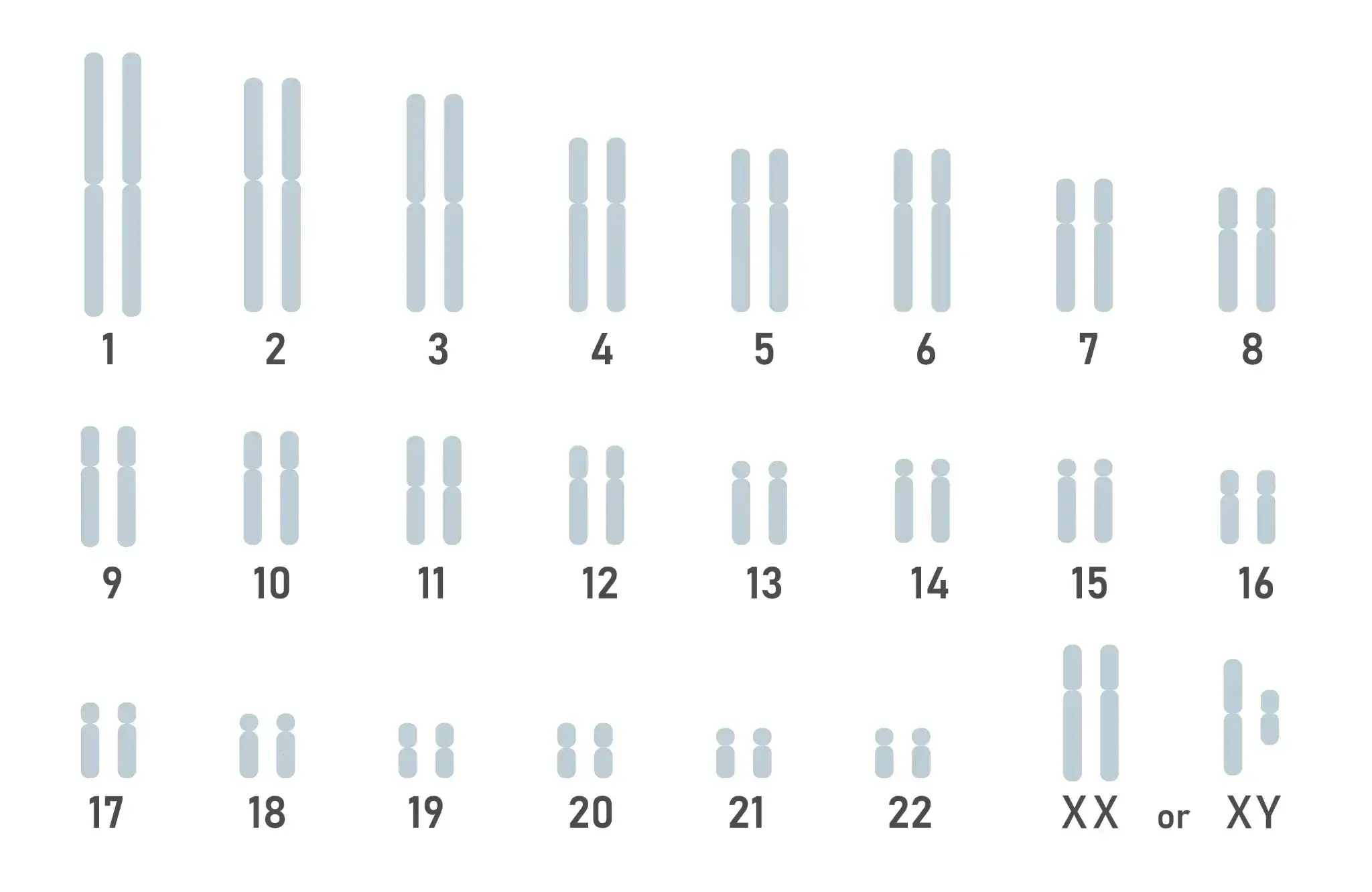
Schematic diagram of DNA map present in cells
- ■
- ■
- ■
- ■
- ■
- ■
- ■
- ■
- ■
Related genes
| Related genes | KLHL1 |
|---|
Frequently asked questions (FAQ)
Q1. What is a peritonsillar abscess?
A peritonsillar abscess is a deep infection in which pus accumulates in the tissue surrounding the tonsils.It develops when normal acute tonsillitis worsens and bacteria accumulate and multiply around the tonsils. Characteristic symptoms include severe pain in the throat on one side, difficulty swallowing, trismus, and hot potato voice (1).
Q2. What is the cause of peritonsillar abscess?
The main cause isBacterial infection due to worsening of acute tonsillitisIt is. Group A beta-hemolytic streptococci and anaerobic bacteria invade the connective tissue around the tonsils and form pus. Carriers of the T mutation in the DNA region rs9542155 tend to have a higher risk of developing the disease (1).
Q3. What genes are associated with peritonsillar abscess?
According to research by Saarentaus et al. at the University of Helsinki,DNA region rs9542155 is associated with the risk of developing peritonsillar abscessIt turns out that it is. People with the T mutation tend to be at increased risk, and the associated gene is KLHL1 (1).
Q4. What are the characteristics of the genotype distribution of peritonsillar abscess in Japanese people?
The Japanese rs9542155 genotype distribution isTT type 28.9%, TC type 49.7%, CC type 21.3%It is. Compared to the world average (TT type 10.9%), the proportion of TT type is 18.0 points higher and CC type is 23.3 points lower (1).
Q5. What is the treatment for peritonsillar abscess?
The basic treatment is administration of antibiotics and drainage of the abscess (fine needle aspiration or incision and drainage).If recurrence occurs repeatedly, tonsillectomy may be considered. Early medical intervention is important to prevent complications.
References
- Reference link 1: 2023 Jan., Elmo C Saarentaus, Nat Commun