
 pancreatic neuroendocrine tumor

- Pancreatic neuroendocrine tumor (PNET) is a rare tumor that arises from islets of Langerhans cells in the pancreas.classified into functional and non-functional
- Type A mutation in DNA region rs4962081Research shows that people with the disease tend to be at higher risk of developing
- Functional PNETexcessive secretion of hormonescan cause hypoglycemia and Zollinger-Ellison syndrome.
Overview Pancreatic neuroendocrine tumors (PNETs) are a rare and heterogeneous type of tumor that arises from the islets of Langerhans cells in the pancreas, which produce various hormones. These tumors can be broadly classified into functional and non-functional tumors based on their hormonal activity. Functional PNETs secrete hormones into the bloodstream and cause a variety of symptoms depending on the hormones produced. For example, insulinomas produce insulin, which causes hypoglycemia. Gastrinomas also secrete stomach acid, causing Zollinger-Ellison syndrome, which is characterized by ulcerative gastrointestinal disease and diarrhea. Excess hormone production can also cause symptoms such as sweating, weakness, dizziness, and rapid heart rate. Non-functional PNETs do not produce active hormones, so they often have no symptoms in the early stages, making diagnosis more difficult. Symptoms include abdominal pain, jaundice, weight loss, and gastrointestinal discomfort. As mentioned above, pancreatic neuroendocrine tumors (PNETs) cause a variety of symptoms depending on the type of hormones produced, tumor size, and location within the pancreas. A study by Ter-Minassian et al. at the Harvard School of Public Health revealed that the risk of developing pancreatic neuroendocrine tumors is associated with a DNA region called rs4962081. There are three genotypes in this DNA region: GG, GA, and AA, and it was found that people with the A genotype tend to have a higher risk of pancreatic neuroendocrine tumors.
What is a pancreatic neuroendocrine tumor (PNET)?
Pancreatic neuroendocrine tumors (PNETs) are a rare and heterogeneous type of tumor that arises from the cells of the islets of Langerhans in the pancreas.Based on hormonal activity, they are broadly classified into functional and non-functional.
Difference between functional PNET and non-functional PNET
PNET is classified into two types depending on the presence or absence of hormone secretion.
| Comparison items | Functional PNET | Non-functional PNET |
|---|---|---|
| hormone secretion | secrete hormones into the bloodstream | does not produce active hormones |
| early symptoms | Symptoms depending on the hormones produced | In the early stages, there are often no symptoms |
| Typical symptoms | hypoglycemia, ulcers, diarrhea | Abdominal pain, jaundice, weight loss |
| Difficulty of diagnosis | Relatively easy to detect based on symptoms | Difficult to diagnose due to long asymptomatic period |
Types and symptoms of functional PNET
Functional PNETs are classified as follows depending on the type of hormone they produce.
- Insulinoma:overproduces insulin, causing hypoglycemia
- Gastrinoma:Excessive secretion of stomach acid, leading to Zollinger-Ellison syndrome (ulcerative gastrointestinal disease and diarrhea)
Overproduction of hormones may also cause the following systemic symptoms:
- sweating/weakness
- dizziness
- rapid heart rate increase
Symptoms of non-functional PNET
Non-functional PNETs do not produce active hormones, soAsymptomatic in the early stagesIn many cases, the following symptoms appear as the disease progresses.
- abdominal pain
- jaundice
- weight loss
- gastrointestinal discomfort
What is the genetic risk of pancreatic neuroendocrine tumors?
A study by Ter-Minassian and colleagues at the Harvard School of Public Health revealed that the risk of developing pancreatic neuroendocrine tumors is associated with the DNA region rs4962081.
- There are three genotypes of rs4962081: GG, GA, and AA.
- Genotype with type A mutation(GA/AA) people tend to have a higher risk of pancreatic neuroendocrine tumors
Genotype distribution in Japanese (rs4962081)
| Genotype | Percentage of Japanese people | percentage of the world |
|---|---|---|
| GG type | 93.3% | 84.1% |
| GA type | 6.5% | 15.1% |
| AA type | 0.1% | 0.6% |
Rationale for testing
Superficial DNA region: pancreatic neuroendocrine tumor
The gene region that most strongly affects pancreatic neuroendocrine tumors is rs4962081. The distribution of isomorphic genotypes in Japan is as follows.
- GG
93.3 % - GA
6.5 % - AA
0.1 %
Basis for inspection
Research by Ter-Minassian et al. at the Harvard School of Public Health revealed that the risk of developing pancreatic neuroendocrine tumors is linked to genes. There is a region called rs4962081 in the human genome, and there are two types of mutations, G and A, in the gene in this region.People with type A mutations tend to be at increased risk of pancreatic neuroendocrine tumorsI found out that there is.
The DNA region investigated this time
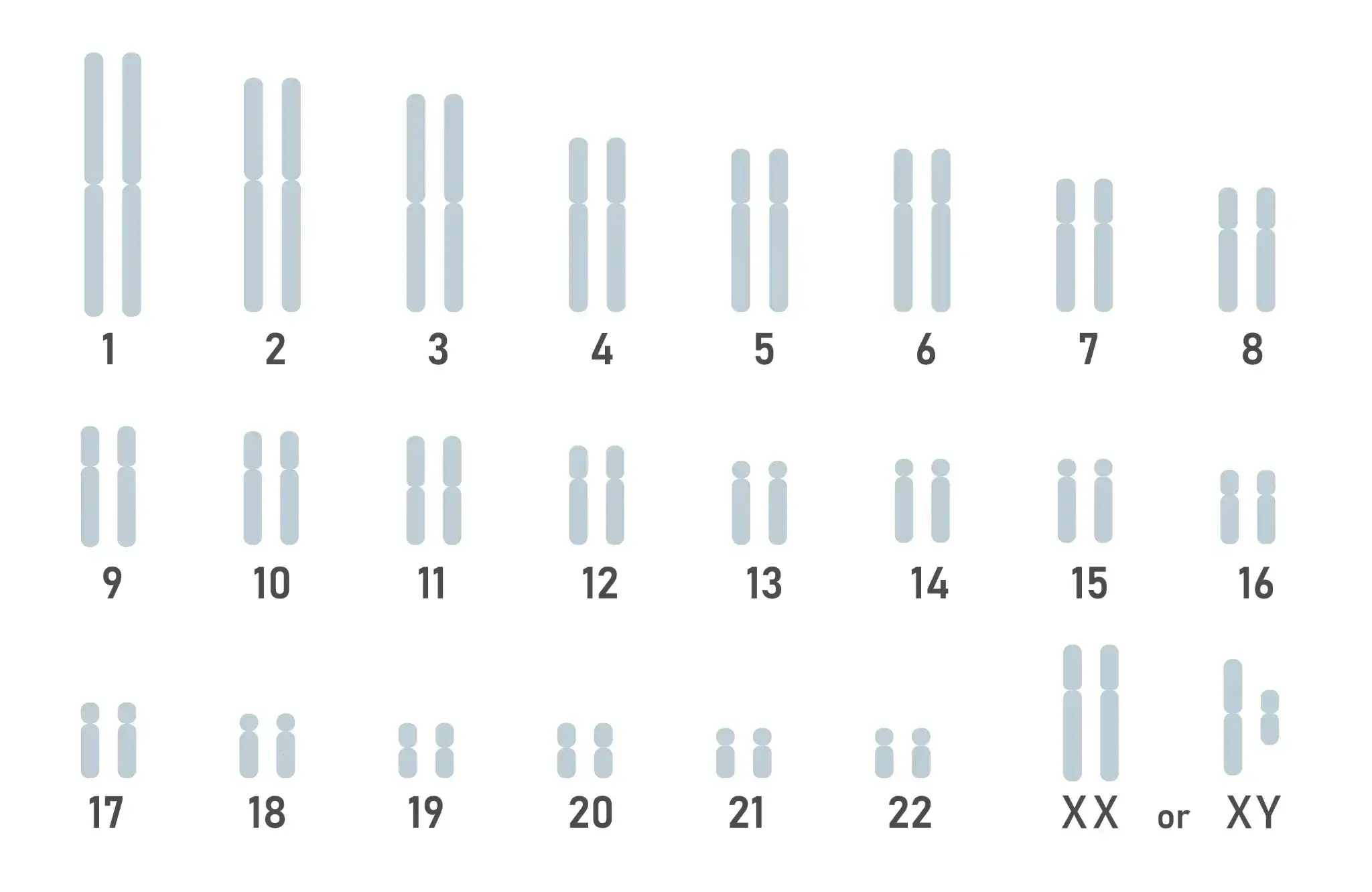
Schematic diagram of DNA map present in cells
- ■
- ■
- ■
- ■
- ■
- ■
- ■
- ■
- ■
Related genes
| Related genes | TSC1 |
|---|
Frequently asked questions (FAQ)
Q1. What is pancreatic neuroendocrine tumor (PNET)?
Pancreatic neuroendocrine tumors (PNETs) are rare tumors that arise from the cells of the islets of Langerhans in the pancreas.Classified into functional and non-functional based on hormonal activity, functional PNETs oversecrete hormones such as insulin and gastrin, leading to hypoglycemia and Zollinger-Ellison syndrome.
Q2. Are genes related to the risk of pancreatic neuroendocrine tumors?
According to research by Ter-Minassian et al. of the Harvard School of Public Health,People with the type A mutation in the rs4962081 DNA region tend to have a higher risk of pancreatic neuroendocrine tumors.It has been found that there is. There are three genotypes of rs4962081: GG, GA, and AA, and the GG type accounts for 93.3% of Japanese people.
Q3. What is the difference between functional PNET and non-functional PNET?
Functional PNETsecrete hormones into the bloodstreamThis can lead to symptoms such as hypoglycemia, ulcers, and diarrhea. Non-functional PNET isdoes not produce active hormonesTherefore, there are no initial symptoms, but as the disease progresses, abdominal pain, jaundice, and weight loss appear.
Q4. What are the main symptoms of pancreatic neuroendocrine tumors?
In functional PNETHypoglycemia, sweating, dizziness, rapid heart rate increasehappens. In non-functional PNETAbdominal pain, jaundice, weight loss, and gastrointestinal discomfortis the main symptom. Symptoms vary depending on the type of hormone produced and the size of the tumor.
References
- Reference link 1: 2011 Aug., Monica Ter-Minassian, Carcinogenesis