
 Likelihood of becoming overweight

- Overweight is a BMI of 25 to 29.9and increases the risk of chronic diseases such as cardiovascular disease, type 2 diabetes, and high blood pressure.
- G-type mutation in DNA region rs1042713Study finds that people with
- appropriateMeal management/exercise habits/weight monitoringIt is possible to prevent overweight and the transition to obesity.
Overview Overweight is a condition in which a person weighs more than what is considered appropriate for maintaining health. It is assessed using body mass index (BMI), and overweight is diagnosed if the BMI is between 25 and 29.9. Although being overweight is still a relatively low health risk, unlike obesity, it can still have negative health effects. The main cause of overweight is an imbalance between energy intake and energy expenditure. If you eat too many high-calorie foods, processed foods, and sugary drinks, and don't get enough exercise, the excess calories will be stored in your body as fat. This causes you to gain weight and become overweight. Genetic factors and hormonal imbalances can also affect weight gain. Being overweight increases your risk of chronic diseases such as cardiovascular disease, type 2 diabetes, and high blood pressure. It also increases the burden on your joints, which can cause pain in your knees and lower back. Additionally, being overweight for a long time increases the risk of developing obesity, which has more serious health consequences. A study by Daghestani et al. from King Saud University revealed that the tendency to become overweight is associated with a DNA region called rs1042713. There are three genotypes in this DNA region: GG, GA, and AA, and it was found that people with the G type mutation tend to have a higher risk of becoming overweight.
What is overweight?
Overweight refers to a state in which the body mass index (BMI) is in the range of 25 to 29.9, and is a state of excess weight that is in the pre-obesity stage.According to WHO standards, a BMI of 18.5 to 24.9 is considered normal weight, a BMI of 25 to 29.9 is considered overweight, and a BMI of 30 or above is considered obese.
Causes and mechanisms of overweight
Overweight occurs due to an imbalance between energy intake and energy expenditure. The main causes are as follows.
- Disordered eating habits:Intake of high-calorie processed foods and drinks with excessive sugar content
- Lack of exercise:Decrease in calories burned due to desk work
- Genetic factors:Risk of weight gain due to G-type mutation in DNA region rs1042713
- Hormone imbalance:Hypothyroidism and insulin resistance
Difference between overweight and obesity
| Comparison items | overweight | obesity |
|---|---|---|
| BMI | 25〜29.9 | 30 or more |
| health risks | medium | expensive |
| symptoms | Difficult to recognize in the early stages | Significant joint pain and difficulty breathing |
| treatment method | Improving your life through diet and exercise | Medical intervention may be required |
| reversibility | Recovery is easier with lifestyle changes | long-term intervention required |
Health risks of being overweight
Continuing to be overweight increases the following health risks:
- Cardiovascular disease:Risk of arteriosclerosis and high blood pressure increases approximately 1.5 times
- Type 2 diabetes:Increased risk of developing symptoms due to increased insulin resistance
- Joint disorders:Chronic pain due to increased load on knees and lower back
- Transition to obesity:Prolonged overweight increases the risk of progressing to obesity (BMI of 30 or higher)
Prevention and countermeasures for overweight
The following lifestyle changes are effective in preventing overweight.
- Balanced diet:A diet centered on vegetables and protein
- Regular exercise:150 minutes or more of moderate-intensity aerobic exercise per week
- Weight management:Regular monitoring of BMI
- Ensuring sleep:7-8 hours of quality sleep a day
The link between genes and overweight
Relationship between DNA region rs1042713 and overweight risk
A study by Daghestani et al. (1) from King Saud University revealed that the DNA region rs1042713 is associated with the tendency to become overweight.
- There are three genotypes of rs1042713: GG, GA, and AA.
- Genotype with type G mutationpeople tend to be at higher risk of being overweight
Genotype distribution in Japanese (rs1042713)
| Genotype | Percentage of Japanese people | percentage of the world |
|---|---|---|
| GG type | 31.1% | 37.4% |
| GA type | 49.3% | 47.4% |
| AA type | 19.5% | 15.0% |
Rationale for testing
Superficial DNA region: susceptibility to being overweight
The gene region that most strongly influences susceptibility to being overweight is rs1042713. The distribution of isomorphic genotypes in Japan is as follows.
- GG
31.1 % - GA
49.3 % - AA
19.5 %
Another gene region associated with susceptibility to overweight is rs2030323. The distribution of isomorphic genotypes in Japan is as follows
- AA
15.1 % - AC
47.5 % - CC
37.2 %
Basis for inspection
A study by Daghestani and colleagues at King Saud University revealed that the tendency to become overweight is linked to genes. There is a region called rs1042713 in the human genome, and there are two types of mutations, G and A, in the gene in this region. It has been found that people with the G mutation tend to have a higher risk of being overweight (1).
The DNA region investigated this time
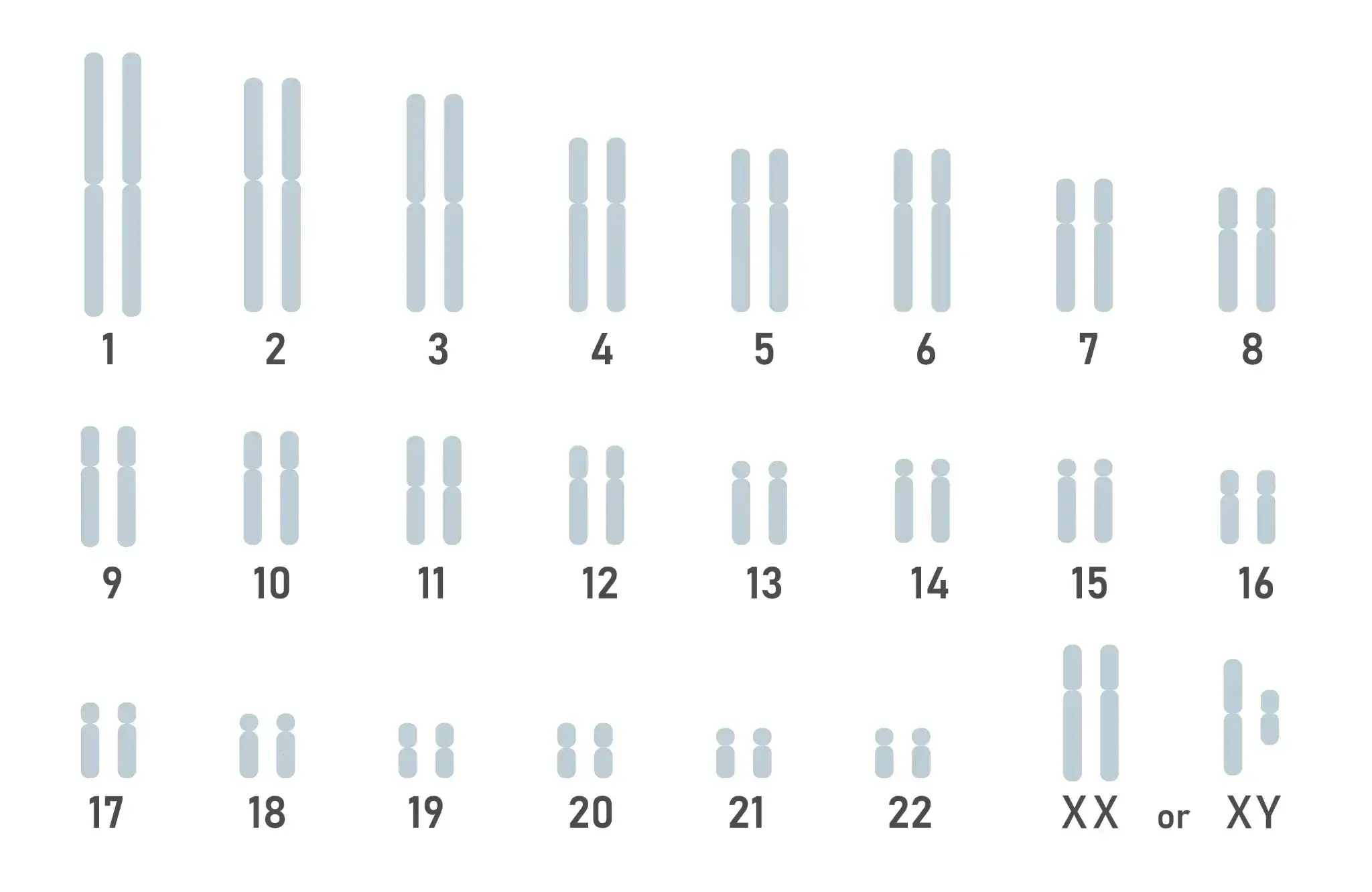
Schematic diagram of DNA map present in cells
- ■
- ■
- ■
- ■
- ■
- ■
- ■
- ■
- ■
Related genes
| Related genes | ADRB2 |
|---|---|
| Related genes | BDNF |
Frequently asked questions (FAQ)
Q1. What is overweight?
Overweight is a condition in which the BMI (body mass index) is in the range of 25 to 29.9.It is a precursor to obesity and increases the risk of chronic diseases such as cardiovascular disease and type 2 diabetes. According to WHO standards, a BMI of 30 or higher is defined as obesity.
Q2. What is the cause of being overweight?
The main cause isImbalance between energy intake and expenditureIt is. Excessive intake of high-calorie foods, processed foods, and lack of exercise lead to fat accumulation. As a genetic factor, the G variant in the DNA region rs1042713 is also associated with overweight risk (1).
Q3. What is the difference between overweight and obesity?
Overweight isBMI25〜29.9range, and obesity isBMI 30 or moreIt is. Overweight can be easily reversed with lifestyle changes, while obesity may require medical intervention.
Q4. Can genetic testing determine the risk of being overweight?
By examining the genotype of DNA region rs1042713,Understand trends in susceptibility to becoming overweightYou can. Studies have shown that people with the G mutation tend to have a higher risk of being overweight (1).
Q5. How can I prevent being overweight?
Eat a balanced diet, get at least 150 minutes of aerobic exercise per week, and get 7 to 8 hours of sleep.is effective in preventing overweight. It is also important to self-manage your body mass index by measuring your BMI regularly.
References
- Reference link 1: 2012 Sep., Maha H Daghestani, Int J Endocrinol
- Reference link 2: 2013 May., Sonja I Berndt, Nat Genet