
 osteoporosis
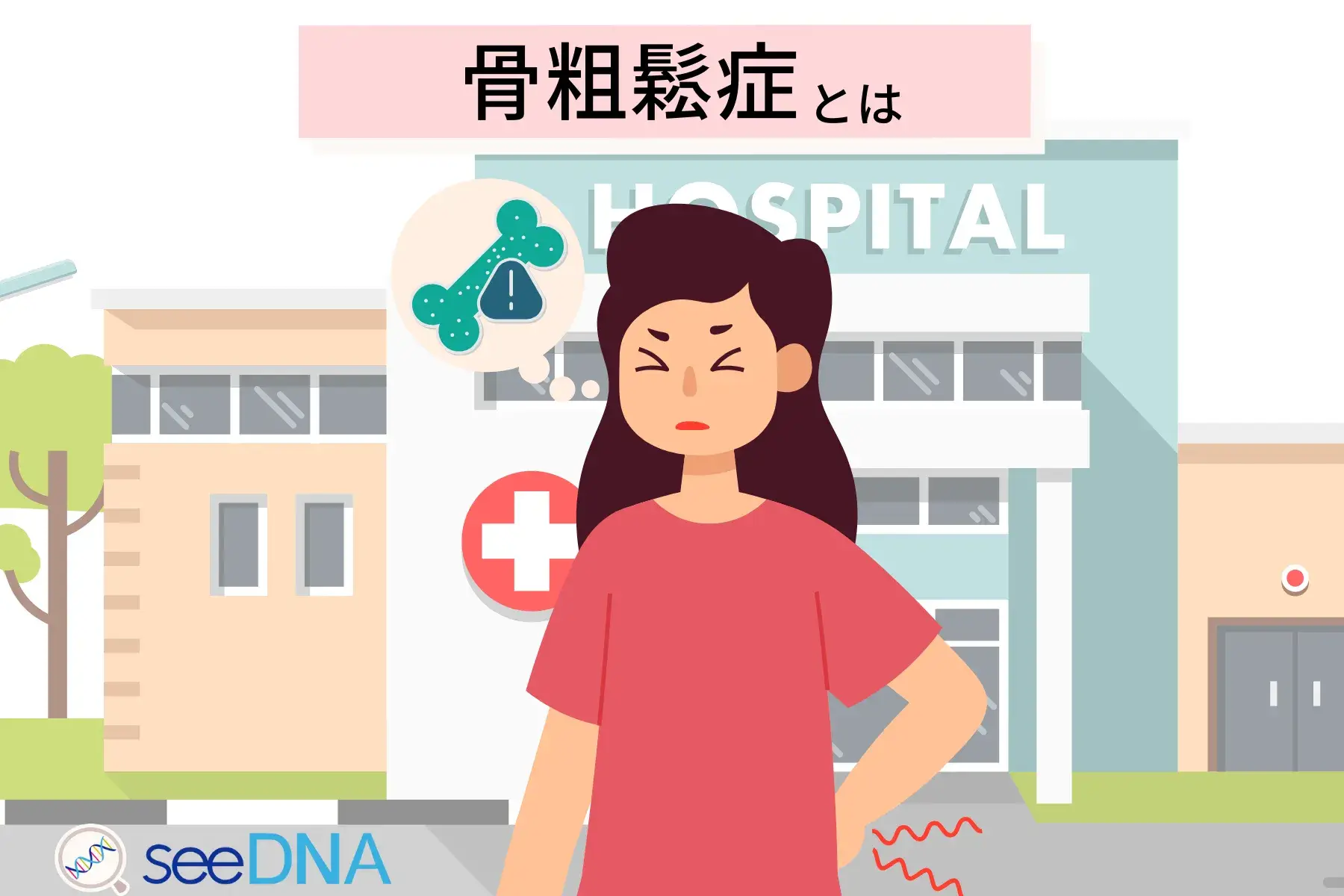
- Osteoporosis is a disease in which bone density decreases, making bones brittle and prone to fractures.and is particularly common in postmenopausal women
- G-type mutation in DNA region rs10416265A University of Cambridge study found that people with
- appropriateCalcium/vitamin D intake/weight-bearing exerciseIt is possible to maintain bone density and prevent fractures.
Overview Osteoporosis is a disease that causes bones to become weak, brittle, and prone to fractures, and is particularly common in postmenopausal women. The cause of this disease is an imbalance between bone formation and resorption. Bone changes in a constant rhythm, with new bone being created and old bone being resorbed at the same time. However, when bone resorption is excessive and bone formation is insufficient, bone density decreases and bones become brittle. In the early stages, there are often no symptoms, but as the disease progresses, the number of fractures increases. Areas that are prone to fractures include the lumbar vertebrae, femur, and wrist. These fractures cause pain and limited movement, reducing quality of life. For diagnosis, a DEXA scan is used to measure bone density. This allows us to accurately assess the condition of your bones and decide on a treatment plan. Treatment includes calcium and vitamin D supplements and medication to improve bone density. Regular exercise, abstinence, and limiting alcohol intake are also important for bone health. A study by Moayyeri et al. at the University of Cambridge revealed that the risk of developing osteoporosis is associated with a DNA region called rs10416265. There are three genotypes in this DNA region: AA, AG, and GG, and it was found that people with the G genotype tend to have a higher risk of osteoporosis.
What is osteoporosis?
Osteoporosis is a disease in which the balance between bone formation and absorption is disrupted, resulting in decreased bone density and brittle bones.According to the World Health Organization (WHO) definition, osteoporosis is diagnosed when the T-score from a DEXA scan is -2.5 or less.
Causes and mechanisms of osteoporosis
Bone is constantly remodeling, where new bone is formed (osteogenesis) and old bone is broken down (bone resorption). When this balance is disrupted, bone density decreases.
- Increased bone resorption:Excessive osteoclast activity increases the rate of bone breakdown
- Decreased bone formation:Bone reconstruction by osteoblasts cannot keep up
The main risk factors are:
- postmenopausalestrogen reduction(approximately 30% of postmenopausal women are affected)
- Calcium and vitamin D deficiency
- Lack of exercise/long-term bed rest
- Genetic predisposition (family history)
- Aging (risk increases after age 50)
- Smoking/excessive alcohol intake
Main symptoms of osteoporosis
There are no symptoms in the early stagesThis is why it is called the "silent disease". As the disease progresses, the following symptoms appear.
- Lumbar vertebrae, femur, wristfragility fracture
- Loss of height (due to compression fractures of the vertebral bodies)
- Rounded back (hunchback/tortoise back)
- chronic lower back pain
Difference between osteoporosis and osteopenia
| Comparison items | osteoporosis | osteopenia |
|---|---|---|
| T-score | -2.5 or less | -1.0〜-2.5 |
| fracture risk | expensive | medium |
| treatment | Drug therapy + lifestyle improvement | Focus on life improvement |
| Progress | Severe bone loss | Early to middle stages of bone loss |
How to prevent osteoporosis
The following measures can help maintain bone density and prevent fractures.
- Calcium intake:700-800mg per day (milk, small fish, soybean products)
- Vitamin D:Sunbathing (15-20 minutes a day) or supplements
- Load bearing exercise:Walking/jogging/strength training (at least 3 times a week)
- No smoking/drinking:Smoking accelerates bone density loss
- Regular inspection:Bone density measurement using DEXA scan is recommended for women over 50 years old
Diagnostic method
It is diagnosed by the following tests.
- DEXA scan(Dual Energy X-ray Absorptiometry): Standard method for measuring bone density
- Blood test (calcium, vitamin D, bone metabolism markers)
- X-ray examination (to check for fractures)
Relationship between genes and osteoporosis
Relationship between DNA region rs10416265 and onset risk
A study by Moayyeri et al. at the University of Cambridge (1) revealed that the DNA region rs10416265 is associated with the risk of osteoporosis.
- There are three genotypes of rs10416265: AA, AG, and GG.
- Genotype with type G mutationpeople tend to be at higher risk of osteoporosis
Genotype distribution in Japanese (rs10416265)
| Genotype | Percentage of Japanese people | percentage of the world |
|---|---|---|
| AA type | 2.6% | 47.9% |
| AG type | 27.3% | 42.5% |
| GG type | 69.9% | 9.4% |
Rationale for testing
Surface DNA region: osteoporosis
The gene region that most strongly affects osteoporosis is rs10416265. The distribution of isomorphic genotypes in Japan is as follows.
- AA
2.6 % - AG
27.3 % - GG
69.9 %
Basis for inspection
A study by Moayyeri et al. at the University of Cambridge revealed that the risk of developing osteoporosis is linked to genes. There is a region called rs10416265 in the human genome, and there are two types of mutations, A and G, in the gene in this region. It has been found that people with the G mutation tend to have an increased risk of osteoporosis (1).
The DNA region investigated this time
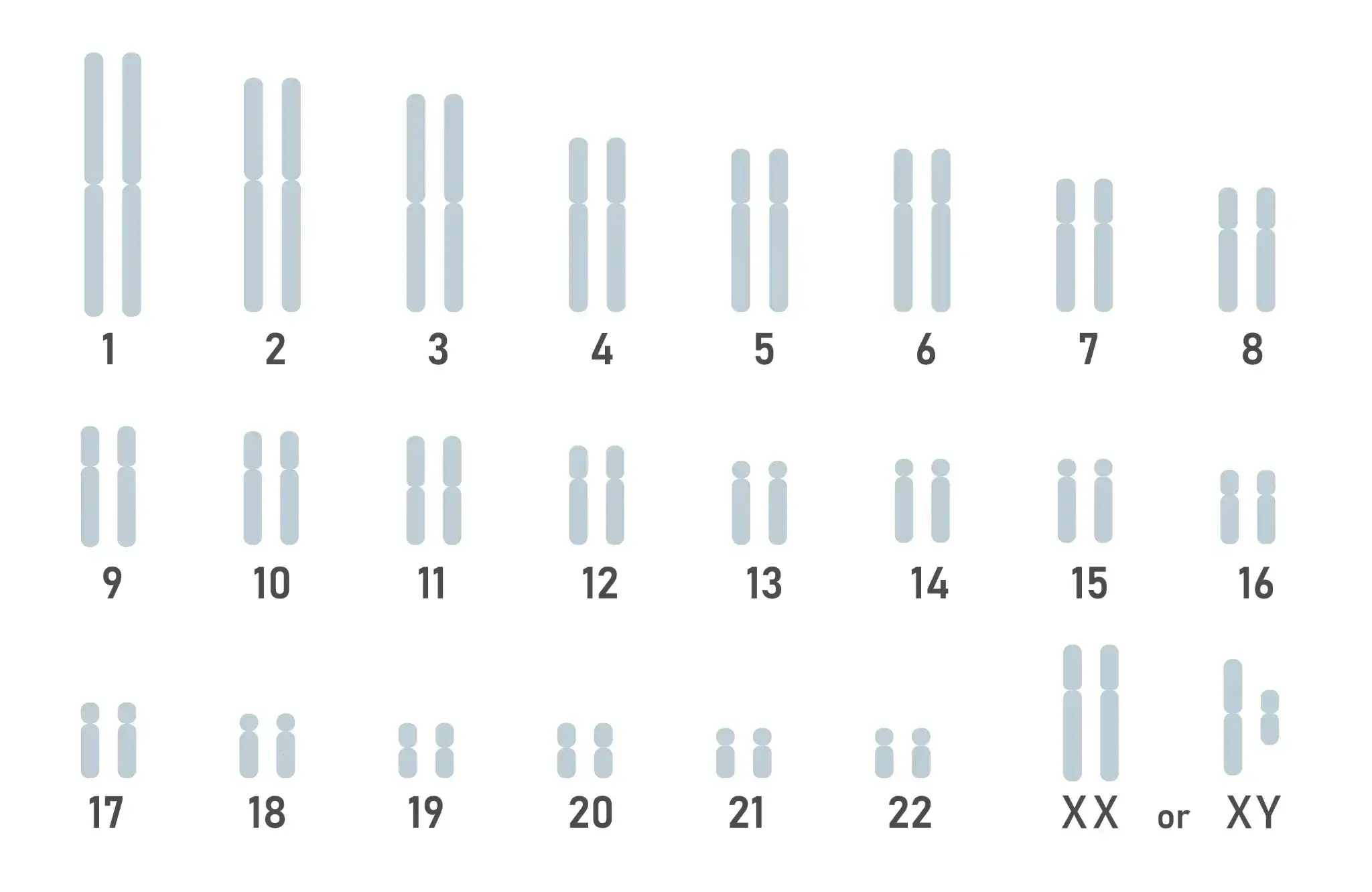
Schematic diagram of DNA map present in cells
- ■
- ■
- ■
- ■
- ■
- ■
- ■
- ■
- ■
Related genes
| Related genes | GPATCH1 |
|---|
Frequently asked questions (FAQ)
Q1. What is osteoporosis?
Osteoporosis is a disease in which the balance between bone formation and absorption is disrupted, resulting in decreased bone density and brittle bones.It is particularly common in postmenopausal women, and increases the risk of fractures of the lumbar vertebrae, femur, and wrist. It is diagnosed when the T-score from a DEXA scan is -2.5 or less (1).
Q2. What is the cause of osteoporosis?
The main cause isBone resorption exceeds bone formationThis is a decrease in bone density due to Postmenopausal estrogen loss, calcium and vitamin D deficiency, physical inactivity, aging, and genetic predisposition are major risk factors (1).
Q3. Can genetic testing determine the risk of osteoporosis?
By examining the genotype of the DNA region rs10416265,Understanding trends in the risk of developing osteoporosisYou can. Research from the University of Cambridge has found that people with the G mutation genotype tend to be at higher risk (1).
Q4. How can osteoporosis be prevented?
Adequate intake of calcium (700-800 mg per day) and vitamin DEffective preventive measures include weight-bearing exercise at least three times a week, smoking cessation, limiting alcohol intake, and regular bone density tests (DEXA scans) for women over 50.
Q5. How is osteoporosis diagnosed?
DEXA scan (dual energy X-ray absorptiometry)is the standard diagnostic method. Osteoporosis is diagnosed when the T-score is -2.5 or less. Supplementary blood tests and X-ray tests may also be performed.
References
- Reference link 1: 2014 Jun., Alireza Moayyeri, Hum Mol Genet