
 oral cancer

- Oral cancer is a malignant tumor that develops from squamous epithelial cells in the oral cavity.The main risk factors are smoking, drinking alcohol, and HPV infection.
- T-type mutation in DNA region rs3092904Research shows that people with the disease tend to be at higher risk of developing
- Regular dental checkupsWith early detection, the 5-year survival rate can be improved to over 80%.
Overview Oral cancer is a cancer of the mouth and throat that begins in the squamous epithelial cells that line the mouth, tongue, and lips. Patients with oral cancer experience different symptoms depending on where the cancer originates and its stage. Symptoms of oral cancer include ulcers and swelling that do not heal for more than two weeks, white or red spots inside the mouth, bleeding, and numbness. Other symptoms include a sore throat or a feeling of something stuck in the back of your throat, difficulty swallowing, ear pain, changes in voice, misaligned teeth, bad breath, and weight loss. Early detection and treatment of oral cancer can improve prognosis. Excessive tobacco and alcohol consumption, sun exposure, and human papillomavirus HPV infection increase the risk of this cancer. Regular dental checkups can help detect oral cancer early. A study by Murali et al. from the Regional Cancer Center of India revealed that the risk of developing oral cancer is associated with a DNA region called rs3092904. There are three genotypes in this DNA region: TT, TA, and AA, and it was found that people with the T genotype tend to have a higher risk of oral cancer.
What is oral cancer?
Oral cancer is a malignant tumor that develops from the squamous epithelial cells that line the oral cavity (tongue, gums, floor of the mouth, buccal mucosa, palate, and lips).It accounts for approximately 40% of all head and neck cancers, and early detection and treatment improves the prognosis.
Causes and risk factors of oral cancer
The following factors are involved in the development of oral cancer:
- Smoking:Risk increased approximately 6 times compared to non-smokers
- Excessive drinking:Risk increased approximately 6 times compared to non-drinkers
- Combination of smoking and drinking:Risk increases approximately 15 times
- Human papillomavirus (HPV) infection:HPV type 16 is particularly involved in oropharyngeal cancer.
- Excessive sun exposure:Risk factors for lip cancer
- Genetic predisposition:People with the T mutation in the DNA region rs3092904 tend to be at higher risk.
Main symptoms of oral cancer
Symptoms of oral cancerSite of occurrence and stage of progressionIt depends.
- Ulcers and stomatitis that do not heal for more than 2 weeks
- White spots (leukoplakia) or red spots (erythroplakia) in the oral cavity
- Unexplained intraoral bleeding
- Numbness/paralysis of sensation
- Difficulty swallowing/feeling of a foreign body in the throat
- Ear pain/change in voice
- Deterioration of tooth alignment
- Persistent worsening of bad breath
- Unexplained weight loss
Oral cancer stage classification
| stage | tumor condition | 5-year survival rate (estimate) |
|---|---|---|
| I stage | Tumor 2 cm or less, no lymph node metastasis | Approximately 80% or more |
| Stage II | Tumor 2-4 cm, no lymph node metastasis | Approximately 65-70% |
| Stage III | Tumor >4 cm or lymph node metastasis | Approximately 45-50% |
| Stage IV | Surrounding tissues/distant metastasis present | Approximately 30% or less |
How to prevent oral cancer
The following measures can reduce the risk of developing oral cancer.
- No smoking:The most effective preventive measures
- Sobriety:avoid excessive drinking
- Regular dental checkups:Early detection is possible by visiting the doctor twice or more a year.
- Balanced diet:Active intake of foods containing vitamins A, C, and E
- Sun protection measures:Avoid excessive UV exposure to lips
Relationship between genes and oral cancer
Relationship between DNA region rs3092904 and onset risk
A study by Murali et al. from the Regional Cancer Center of India found that the DNA region rs3092904 is associated with the risk of developing oral cancer.
- There are three genotypes of rs3092904: TT, TA, and AA.
- Genotype with T-type mutationpeople tend to be at higher risk of oral cancer
Genotype distribution in Japanese (rs3092904)
| Genotype | Percentage of Japanese people | percentage of the world |
|---|---|---|
| TT type | 56.9% | 60.0% |
| TA type | 37.0% | 34.8% |
| AA type | 6.0% | 5.0% |
Rationale for testing
Surface DNA region: Oral cancer
The gene region that most strongly influences oral cancer is rs3092904. The distribution of isomorphic genotypes in Japan is as follows.
- TT
56.9 % - TA
37.0 % - AA
6.0 %
Another gene region involved in oral cancer is rs751402. The distribution of isomorphic genotypes in Japan is as follows
- AA
14.0 % - AG
46.8 % - GG
39.0 %
Basis for inspection
A study by Murali et al. at a regional cancer center in India revealed that the risk of developing oral cancer is linked to genes. There is a region called rs3092904 in the human genome, and there are two types of mutations, T and A, in the gene in this region. It was found that people with T-type mutations tend to have a higher risk of oral cancer.
The DNA region investigated this time
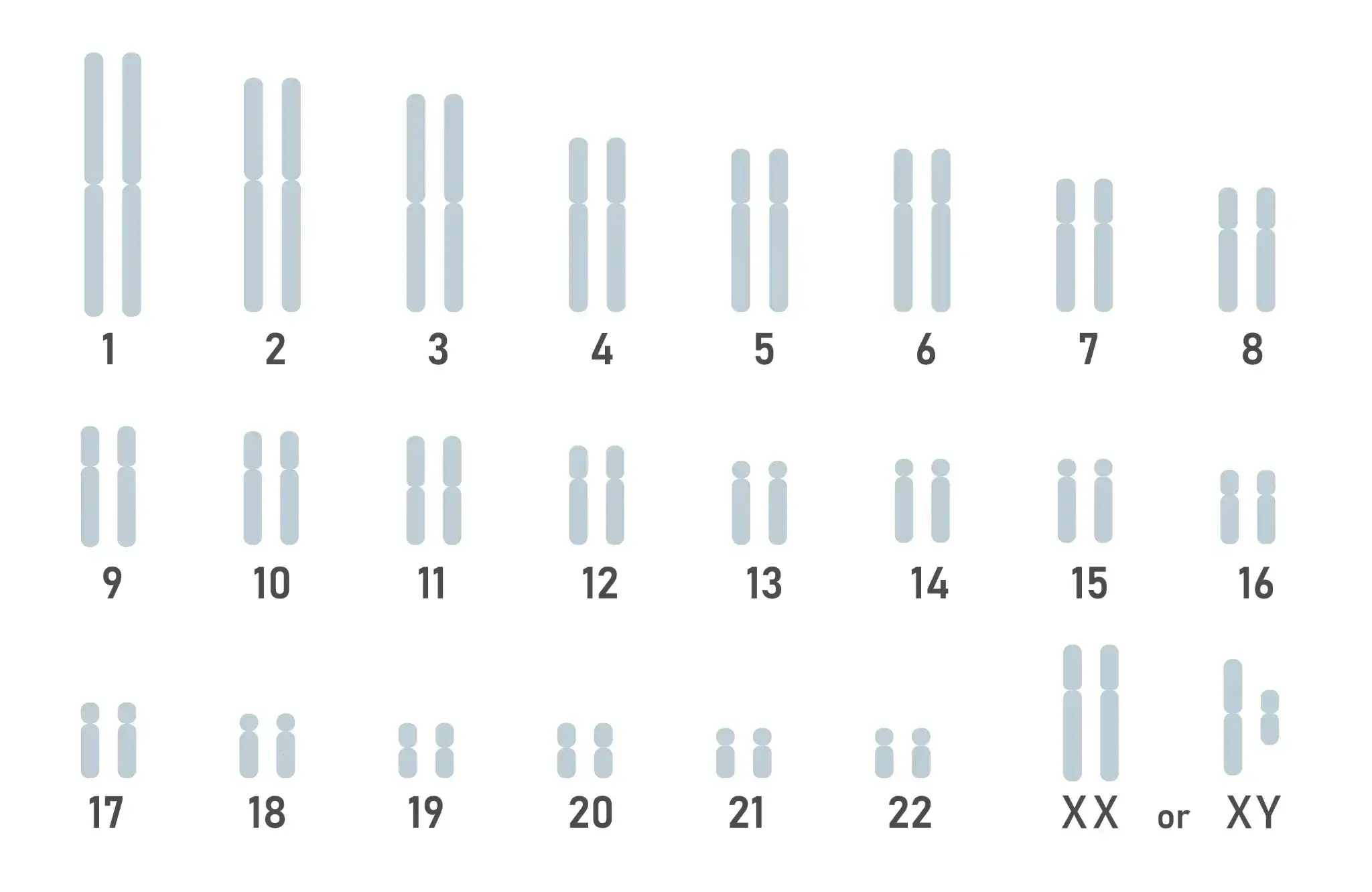
Schematic diagram of DNA map present in cells
- ■
- ■
- ■
- ■
- ■
- ■
- ■
- ■
- ■
Related genes
| Related genes | Rb1-1 |
|---|---|
| Related genes | ERCC5 |
Frequently asked questions (FAQ)
Q1. What is oral cancer?
Oral cancer is a malignant tumor that develops from squamous epithelial cells within the oral cavity (tongue, gums, floor of the mouth, buccal mucosa, palate, and lips).It accounts for approximately 40% of all head and neck cancers, and smoking, alcohol consumption, and HPV infection are major risk factors.
Q2. What is the cause of oral cancer?
The main cause isSmoking (approximately 6 times the risk), excessive drinking (approximately 6 times the risk), HPV infectionIt is. The risk increases approximately 15 times when smoking and drinking alcohol are combined. Carriers of the T mutation in the rs3092904 DNA region also tend to be at higher risk.
Q3. What are the early symptoms of oral cancer?
Stomatitis/ulcer that does not heal for more than 2 weeksTypical early symptoms include white or red spots in the oral cavity (leukoplakia/erythroplakia), unexplained bleeding, and numbness/numbness. If detected early, the 5-year survival rate is over 80%.
Q4. Can genetic testing determine the risk of oral cancer?
By examining the genotype of DNA region rs3092904,Understand trends in the risk of developing oral cancerYou can. Studies have found that people with the T mutation genotype tend to be at higher risk.
Q5. How to prevent oral cancer?
No smoking/drinkingis the most effective prevention method. Early detection through regular dental checkups (at least twice a year), eating a well-balanced diet (containing foods containing vitamins A, C, and E), and avoiding excessive exposure to sunlight are also effective.
References
- Reference link 1: 2014 Sep., Abitha Murali, Br J Oral Maxillofac Surg
- Reference link 2: 2017 Aug., Cuihong Han, Medicine (Baltimore)