
 Omega 6 (DPA n6) metabolic capacity

- DPA n6 (docosapentaenoic acid n6) is a type of omega-6 fatty acidplays an important role in building and maintaining cell membranes and controlling inflammation.
- T-type mutation in DNA region rs76065946Research shows that people with 20% of DPA n6 tend to have a higher ability to metabolize DPA n6.
- Japanese92.4% are type AA, 7.3% are AT type, 0.1% are TT type, and the proportion of AA type is higher than the world average.
Overview DPAn6 (docosapentaenoic acid n6) is a type of omega-6 fatty acid and an intermediate produced in the process of metabolism from the essential fatty acid linoleic acid. DPAn6, unlike eicosapentaenoic acid (EPA) and docosahexaenoic acid (DHA), belongs to the omega-6 family and has different structures and functions. DPAn6 is mainly found in animal foods, especially red meat and some seafood. In the body, linoleic acid is converted to arachidonic acid, which is then further converted to DPAn6. This process is involved in a variety of physiological functions in the body, particularly in the construction and maintenance of cell membranes. Cell membranes are important structures that protect all cells in the body and control the movement of substances in and out of cells. DPAn6 optimizes the function of these membranes and provides the foundation for proper cell function. DPAn6 also functions as a precursor for physiologically active substances such as prostaglandins and leukotrienes in the body. In particular, prostaglandins derived from DPAn6 have the effect of controlling inflammation, and are expected to reduce the risk of chronic inflammation and related diseases by suppressing excessive inflammatory responses. Research by Mychaleckyj and colleagues at the University of Virginia revealed that the metabolic ability of DPAn6 (docosapentaenoic acid n6) is associated with the DNA region rs76065946. There are three genotypes in this DNA region: AA, AT, and TT, and it was found that people with the T-type mutation tend to have a higher ability to metabolize DPAn6 (docosapentaenoic acid n6).
What is Omega 6 (DPA n6)
DPA n6 (docosapentaenoic acid n6) is a type of omega-6 fatty acid, and is an intermediate that is metabolized and produced in the body from the essential fatty acid linoleic acid to arachidonic acid.It plays important physiological roles in both cell membrane construction and inflammation control.
What is the role of DPA n6 in the body?
DPA n6 serves two important functions in the body:
- Construction and maintenance of cell membrane:Optimizes the function of cell membranes that protect all cells in the body, and serves as the basis for controlling the movement of substances inside and outside cells.
- Precursors of inflammation regulators:Functions as a precursor of physiologically active substances such as prostaglandins and leukotrienes, suppressing excessive inflammatory reactions
DPA n6-derived prostaglandins are expected to contribute to reducing the risk of chronic inflammation and related diseases.
DPA n6 metabolic pathway
DPA n6 is produced in the body through the following metabolic pathway.
- Step 1:Consume linoleic acid, an essential fatty acid, from your diet
- Step 2:Linoleic acid converts to arachidonic acid
- Step 3:Arachidonic acid is further converted to DPA n6
Difference between DPA n6 and DHA/EPA
| Comparison items | DPA n6 | DHA・EPA |
|---|---|---|
| fatty acid series | Omega-6 series | omega-3 series |
| Origin | Metabolized from linoleic acid | Metabolized from α-linolenic acid |
| main food sources | Red meat and some seafood | Blue fish (mackerel, sardines, etc.) |
| Main features | Cell membrane construction/inflammation control | Cardiovascular protection and brain function maintenance |
Main foods containing DPA n6
DPA n6 is mainly found in animal foods.
- Red meat:Contains in red meat such as beef and pork
- Seafood:Also included in some seafood
Relationship between genes and DPA n6 metabolic ability
Relationship between DNA region rs76065946 and metabolic ability
A study by Mychaleckyj et al. (1) from the University of Virginia revealed that the DNA region rs76065946 is associated with the ability to metabolize DPA n6.
- There are three genotypes of rs76065946: AA, AT, and TT.
- Genotype with T-type mutationPeople tend to have a higher ability to metabolize DPA n6
Genotype distribution in Japanese (rs76065946)
| Genotype | Percentage of Japanese people | percentage of the world |
|---|---|---|
| AA type | 92.4% | 82.2% |
| AT type | 7.3% | 16.8% |
| TT type | 0.1% | 0.8% |
Rationale for testing
Superficial DNA region: Omega-6 (DPA n6) metabolic ability
The gene region that most strongly influences the ability to metabolize omega-6 (DPA n6) is rs76065946. The distribution of isomorphic genotypes in Japan is as follows.
- AA
92.4 % - AT
7.3 % - TT
0.1 %
Basis for inspection
Research by Mychaleckyj and colleagues at the University of Virginia revealed that the ability to metabolize omega-6 (DPA n6) is linked to genes. There is a region called rs76065946 in the human genome, and there are two types of mutations, A and T, in the gene in that region. It was found that people with type A mutations tend to have a higher ability to metabolize omega-6 (DPA n6).
The DNA region investigated this time
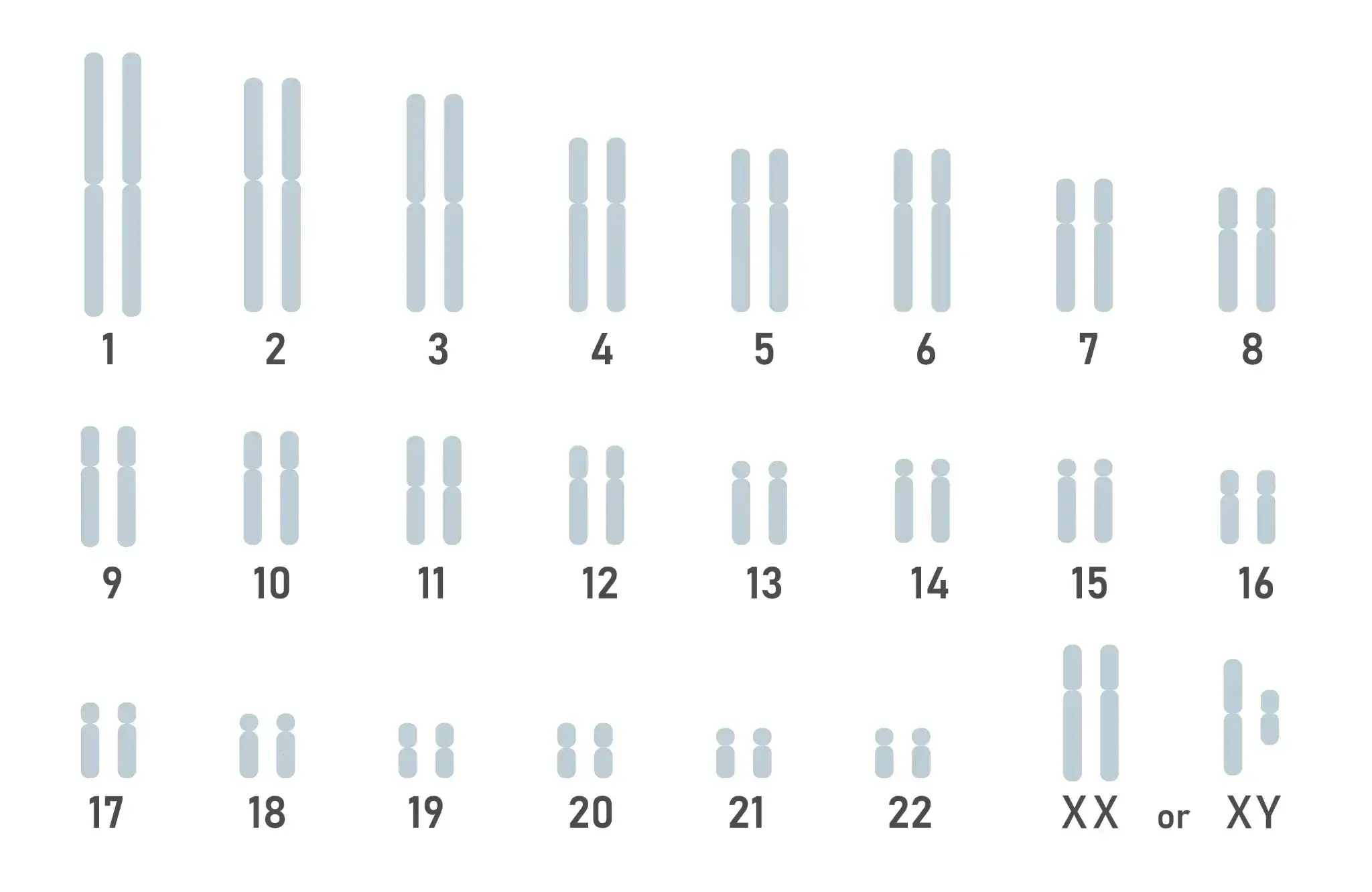
Schematic diagram of DNA map present in cells
- ■
- ■
- ■
- ■
- ■
- ■
- ■
- ■
- ■
Related genes
| Related genes | DIAPH3 |
|---|
Frequently asked questions (FAQ)
Q1. What is Omega 6 (DPA n6)?
DPA n6 (docosapentaenoic acid n6) is a type of omega-6 fatty acid, and is an intermediate that is metabolized and produced in the body from the essential fatty acid linoleic acid to arachidonic acid.It plays an important role in building and maintaining cell membranes and controlling inflammation.
Q2. How are genes related to the metabolic ability of DPA n6?
According to research by Mychaleckyj et al. at the University of Virginia,DNA region rs76065946 is associated with metabolic ability of DPA n6It turns out that it is. People with the T mutation tend to have a higher ability to metabolize DPA n6 (1).
Q3. What is the difference between DPA n6 and DHA/EPA?
DPA n6 isOmega-6 seriesIt is metabolized from linoleic acid. On the other hand, DHA and EPAomega-3 seriesIt is metabolized from α-linolenic acid. They differ in structure, function, and derived fatty acid series.
Q4. What types of foods contain DPA n6?
DPA n6 is mainlyanimal foodThe content is particularly high in red meat and some seafood. In the body, it is converted in the order of linoleic acid → arachidonic acid → DPA n6 (1).
References
- Reference link 1: 2018 Jul., Josyf C Mychaleckyj, J Med Genet