
 Omega-3 (DPA n3) metabolic ability

- DPA n-3 is an omega-3 fatty acid along with EPA and DHA.contributes to cardiovascular protection, anti-inflammation, and maintenance of brain function.
- C-type mutation in DNA region rs174570Study finds that people with 20% of DPA n-3 tend to have a higher ability to metabolize DPA n-3 efficiently.
- Related genesFADS2regulates the conversion process of fatty acid metabolism and produces individual differences.
Overview DPA-n3 (docosapentaenoic acid n-3) is an important omega-3 polyunsaturated fatty acid that is abundant in marine fish and some algae. DPA-n3 plays an important role in cardiovascular health, anti-inflammatory effects, and brain function. The metabolic process of DPA-n3 is complex and influenced by various factors. First, DPA-n3 can be obtained directly from the diet or converted in the body from other omega-3 fatty acids, EPA (20-20-2-1) and DHA (22-20-0-0). DPA-n3 is further converted to EPA and DHA in the body, and these metabolic processes are important for maintaining cell membrane fluidity and function. DPA-n3 has anti-inflammatory properties and reduces chronic inflammation by inhibiting the production of inflammatory mediators. DPA-n3 also protects vascular endothelial function and reduces the risk of cardiovascular disease. Additionally, DPA-n3 may also positively impact brain health, promoting cognitive function and neuroprotection by improving neuronal membrane fluidity and signaling. Overall, DPA-n3 is an important omega-3 fatty acid, and its metabolism is influenced by genes. Understanding DPA-n3 and its metabolic processes will help develop individualized strategies. A study by Feofanova et al. at the University of Texas Health Science Center revealed that the ability to metabolize omega-3 (DPA n3) is associated with a DNA region called rs174570. There are three genotypes in this DNA region: CC, CT, and TT, and it was found that people with the C genotype tend to have a higher ability to efficiently metabolize omega-3 (DPA n3).
What is the metabolic ability of omega-3 (DPA n3)?
DPA n-3 (docosapentaenoic acid n-3) is an omega-3 polyunsaturated fatty acid found in marine fish and some algae.Along with EPA (eicosapentaenoic acid) and DHA (docosahexaenoic acid), it is known as a fatty acid essential for maintaining health.
Main roles and functions of DPA n-3
DPA n-3 performs the following important functions in the body:
- Cardiovascular protection:Protects vascular endothelial function and reduces cardiovascular disease risk
- Anti-inflammatory effect:Suppresses the production of inflammatory mediators and reduces chronic inflammation
- Maintaining brain function:Improves neuronal membrane fluidity and signaling, promoting cognitive function
- Conversion to EPA/DHA:Converted to EPA and DHA in the body, maintaining fluidity and function of cell membranes
Metabolic mechanism of DPA n-3
The metabolic process of DPA n-3 occurs through two routes.
- Direct intake from meals:Ingested from blue fish (mackerel, sardines, saury) and algae
- Internal transformation:Produced from EPA and DHA through enzymatic reaction
This metabolic processFADS2 geneIt is regulated by the fatty acid desaturase encoded by , and individual differences in metabolic efficiency occur depending on genotype.
Comparison of DPA n-3 and EPA/DHA
| Comparison items | DPA n-3 | EPA | DHA |
|---|---|---|---|
| number of carbons | 22 | 20 | 22 |
| number of double bonds | 5 | 5 | 6 |
| Main source of supply | Marine fish/algae | Blue fish/fish oil | Blue fish, fish oil, algae |
| Main features | Anti-inflammatory/vascular protection | Anti-inflammatory/anti-blood coagulation | Components of the brain and retina |
| Features of metabolism | Intermediate metabolites of EPA and DHA | Precursor of DPA n-3 | final metabolite |
How to increase the metabolic ability of DPA n-3
Regardless of genotype, the following measures can support DPA n-3 metabolism.
- Blue fish (mackerel, sardines, saury, etc.)Take more than 2 times a weekdo
- Avoid excessive intake of omega-6 fatty acids (linoleic acid)(because they share metabolic enzymes)
- Vitamin B6, zinc, magnesium, etc.Consume enough coenzyme minerals
- Avoid excessive intake of trans fatty acids and processed foods
Relationship between genes and omega-3 (DPA n3) metabolic ability
Relationship between DNA region rs174570 and metabolic efficiency
A study by Feofanova et al. (1) at the University of Texas Health Science Center found that the DNA region rs174570 is associated with the ability to metabolize omega-3 (DPA n3).
- There are three genotypes of rs174570: CC, CT, and TT.
- Genotype with type C mutationHumans tend to have a higher ability to metabolize DPA n-3 efficiently
Genotype distribution in Japanese (rs174570)
| Genotype | Percentage of Japanese people | percentage of the world |
|---|---|---|
| CC type | 44.6% | 75.0% |
| CT type | 44.3% | 23.1% |
| TT type | 11.0% | 1.7% |
Rationale for testing
Surface DNA region: Omega-3 (DPA n3) metabolic ability
The gene region that most strongly influences the ability to metabolize omega-3 (DPA n3) is rs174570. The distribution of isomorphic genotypes in Japan is as follows.
- CC
44.6 % - CT
44.3 % - TT
11.0 %
Basis for inspection
A study by Feofanova et al. at the University of Texas Health Science Center revealed that the ability to metabolize omega-3 (DPA n3) is linked to genes. There is a region called rs174570 in the human genome, and there are two types of mutations, C and T, in the gene in this region. It was found that people with the type C mutation tend to have a higher ability to efficiently metabolize omega-3 (DPA n3).
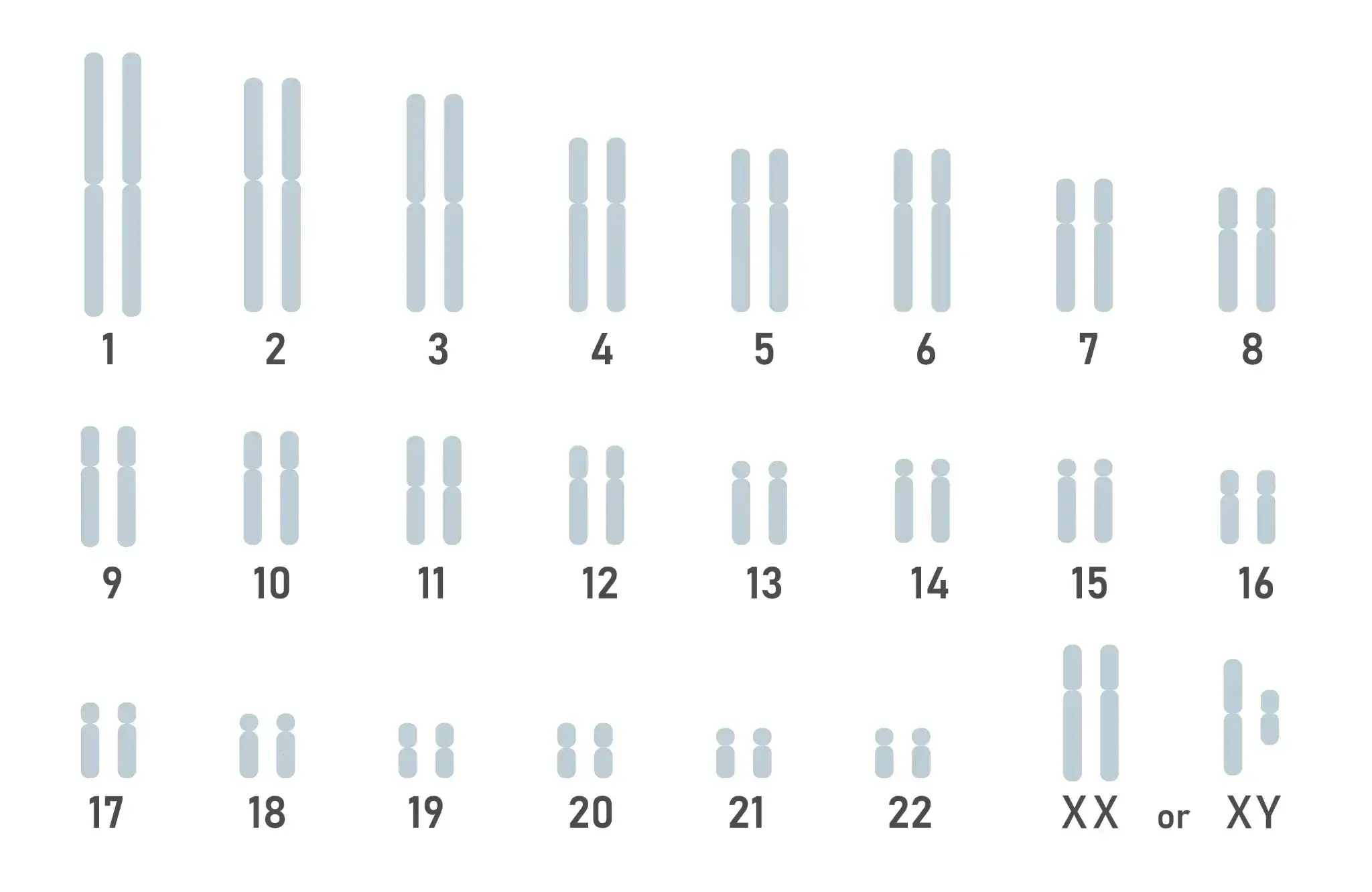
The DNA region investigated this time
Schematic diagram of DNA map present in cells
- ■
- ■
- ■
- ■
- ■
- ■
- ■
- ■
- ■
Related genes
| Related genes | FADS2 |
|---|
Frequently asked questions (FAQ)
Q1. What is DPA n-3 (docosapentaenoic acid n-3)?
DPA n-3 is a type of omega-3 polyunsaturated fatty acid along with EPA and DHA.Contained in marine fish and some algae, it contributes to cardiovascular protection, anti-inflammation, and maintenance of brain function. It is an important fatty acid that also functions as an intermediate metabolite of EPA and DHA.
Q2. Are genes related to the ability to metabolize omega-3 (DPA n3)?
Yes. According to a study by Feofanova et al. (1) at the University of Texas Health Science Center,Genotype of DNA region rs174570 is associated with metabolic efficiency of DPA n-3It turns out that. People with type C mutation tend to have higher metabolic capacity.
Q3. What is the difference between DPA n-3 and EPA/DHA?
DPA n-3 is22 carbons, 5 double bondsfatty acids. Functions as an intermediate metabolite of EPA and DHA, and has a uniqueAnti-inflammatory and vascular protective effecthas been reported. It also contributes to health through a different mechanism than EPA and DHA.
Q4. How can I metabolize DPA n-3 efficiently?
Although there are individual differences depending on genotype, blue fish (mackerel, sardines, saury, etc.)Take more than 2 times a weekHowever, avoiding excessive intake of omega-6 fatty acids can support the metabolism of omega-3 fatty acids, including DPA n-3.
Q5. What is the relationship between the FADS2 gene and omega-3 metabolism?
FADS2 gene encodes fatty acid desaturaseand plays an essential role in the metabolic conversion of omega-3 and omega-6 fatty acids. rs174570 is located near the FADS2 gene, and mutations in this region affect the metabolic efficiency of DPA n-3 (1).
References
- Reference link 1: 2020 Nov., Elena V Feofanova, Am J Hum Genet