
 Omega-3 (DHA) metabolic ability

- DHA (docosahexaenoic acid) is a type of omega-3 fatty acidand essential nutrients for maintaining brain, eye, and cardiovascular health.
- C-type mutation in DNA region rs99780Research has found that people with this tendency tend to have a higher ability to metabolize DHA.
- Salmon, tuna, mackerel, etc.fatty fishDHA can be efficiently ingested from oil and fish oil supplements.
Overview DHA (docosahexaenoic acid) is a type of omega-3 fatty acid that plays many important roles in the body. It is abundant in fish and can be obtained through fatty fish (such as salmon, tuna, and mackerel) and fish oil supplements. DHA is mainly found in the brain and eyes, and plays an important role in their health. Approximately 30% of the brain's structure is fat, and DHA is an important component of nerve cell membranes. DHA maintains and improves cognitive function and memory by maintaining the flexibility of nerve cells and increasing the efficiency of nerve transmission. It is also abundant in the retina of the eye, and maintains visual function by supporting vision-related nerve transmission and retinal health. A lack of DHA can lead to poor eyesight and cognitive decline, so daily intake is recommended. DHA also helps reduce the risk of heart disease and high blood pressure by lowering triglyceride levels in the blood and keeping blood vessels healthy. Research by Ruifang Li-Gao and colleagues at Leiden University Medical Center revealed that the ability to metabolize DHA is associated with a DNA region called rs99780. There are three genotypes in this DNA region: CC, CT, and TT, and it was found that people with type C mutations tend to have a higher ability to metabolize DHA.
What is the metabolic ability of omega-3 (DHA)?
DHA (docosahexaenoic acid) is a type of omega-3 fatty acid and is an essential nutrient for maintaining brain function, visual function, and cardiovascular function in the body.DHA metabolic ability refers to the ability to efficiently break down and utilize ingested DHA in the body.
What is the role and effect of DHA?
DHA plays important roles in three areas in the human body:
- Brain function:Approximately 30% of the brain's structure is fat, and DHA is a major component of nerve cell membranes. Maintains and improves cognitive function and memory by maintaining nerve cell flexibility and increasing nerve transmission efficiency.
- Visual function:Abundant in the retina of the eye, supporting nerve transmission related to vision and retinal health
- Cardiovascular function:Reduces the risk of heart disease and high blood pressure by lowering triglyceride levels in the blood and maintaining healthy blood vessels.
Risk of DHA deficiency
A lack of DHA increases the risk of:
- decreased visual acuity
- Decline in cognitive function
- Increased risk of cardiovascular disease
Therefore, daily intake of DHA is recommended.
How to efficiently ingest DHA
DHA can be ingested from the following foods and methods.
| Source of intake | Estimated DHA content | Features |
|---|---|---|
| salmon | Approximately 1,200mg per 100g | Easy to ingest due to high content |
| Tuna | Approximately 900mg per 100g | Efficiently ingest raw foods such as sashimi |
| mackerel | Approximately 1,100mg per 100g | Also available in canned form |
| fish oil supplements | Varies depending on product | Recommended for those who don't like fish |
Relationship between genes and DHA metabolic ability
Relationship between DNA region rs99780 and metabolic ability
A study by Ruifang Li-Gao et al. (2021) from Leiden University Medical Center found that the DNA region rs99780 is associated with the ability to metabolize DHA.
- There are three genotypes of rs99780: CC, CT, and TT.
- Genotype with type C mutationPeople tend to have a higher ability to metabolize DHA.
Genotype distribution in Japanese (rs99780)
| Genotype | Percentage of Japanese people | percentage of the world |
|---|---|---|
| CC type | 44.6% | 39.8% |
| CT type | 44.3% | 46.5% |
| TT type | 11.0% | 13.6% |
The percentage of Japanese people with the CC type is 44.6%, which is higher than the world average (39.8%), and they tend to have a high prevalence of genotypes with high DHA metabolic ability.
Rationale for testing
Surface DNA region: Omega-3 (DHA) metabolic ability
The gene region that most strongly influences the ability to metabolize omega-3 (DHA) is rs99780. The distribution of isomorphic genotypes in Japan is as follows.
- CC
44.6 % - CT
44.3 % - TT
11.0 %
Basis for inspection
Ruifang at Leiden University Medical Center Research by Li-Gao et al. revealed that the ability to metabolize omega-3 (DHA) is related to genes. There is a region called rs99780 in the human genome, and there are two types of mutations, C and T, in the gene in this region. It has been found that people with the type C mutation tend to have a higher ability to metabolize omega-3 (DHA).
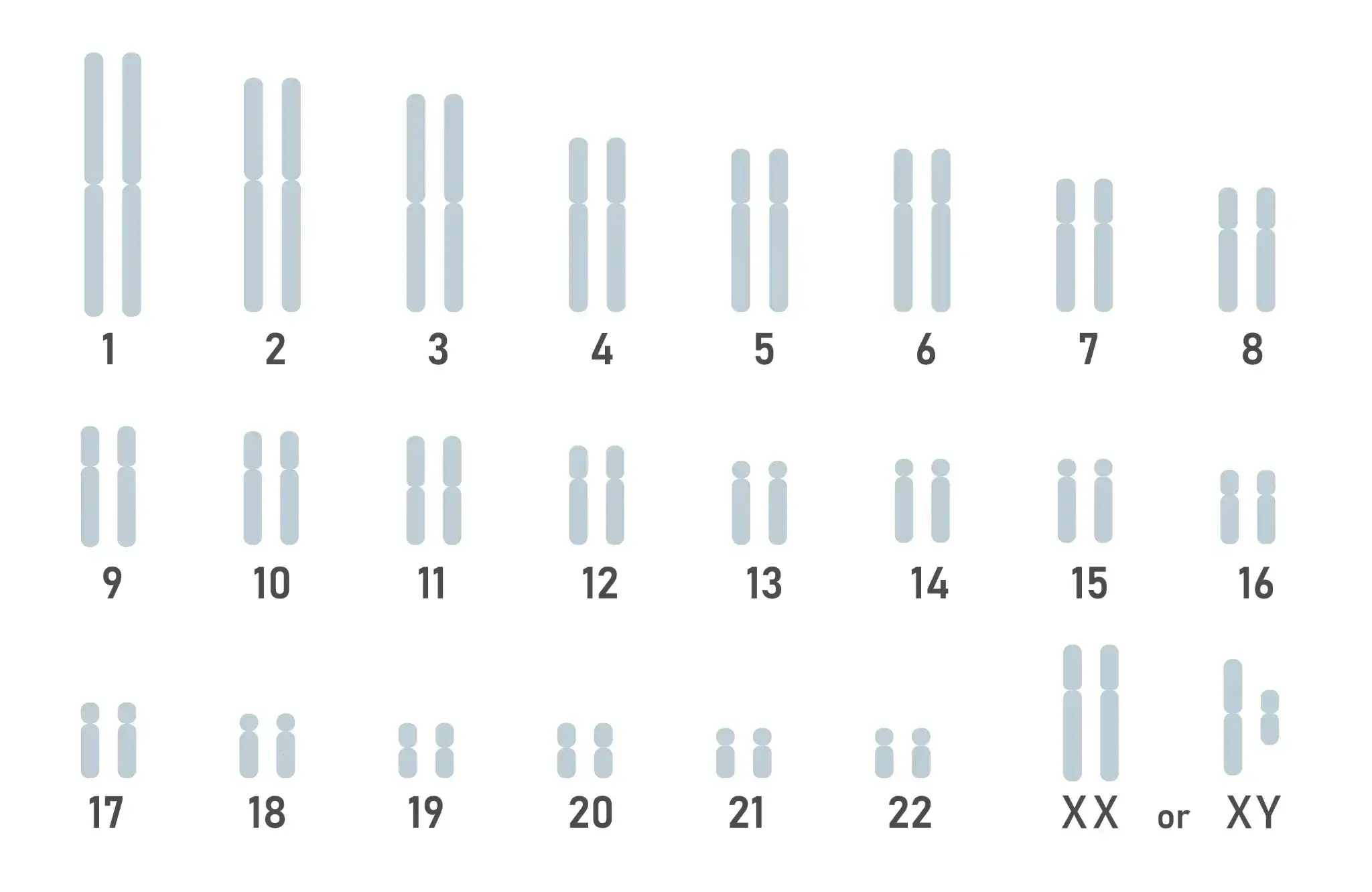
The DNA region investigated this time
Schematic diagram of DNA map present in cells
- ■
- ■
- ■
- ■
- ■
- ■
- ■
- ■
- ■
Related genes
| Related genes | FADS2 |
|---|
Frequently asked questions (FAQ)
Q1. What is the metabolic capacity of omega-3 (DHA)?
DHA metabolic ability is the ability to efficiently break down and utilize DHA (docosahexaenoic acid) in the body.Individual differences in metabolic efficiency occur depending on the genotype of the DNA region rs99780. People with the type C mutation tend to have a higher ability to metabolize DHA.
Q2. What kind of effects does DHA have?
DHA isMain component of nerve cell membranes in the brainIt contributes to maintaining cognitive function and memory. Furthermore, it is effective in maintaining the health of the retina of the eye and reducing the risk of cardiovascular disease by lowering blood triglycerides.
Q3. What genes are related to DHA metabolic ability?
FADS2 geneis involved in DHA metabolism. Ruifang at Leiden University Medical Center A study by Li-Gao et al. reported that people with type C mutation in the rs99780 DNA region tend to have a higher ability to metabolize DHA.
Q4. How can I ingest DHA efficiently?
DHA isFatty fish such as salmon, tuna, and mackerelis abundantly contained in. Eating fish 2-3 times a week is recommended. If you have difficulty consuming fish, using fish oil supplements is also effective.
References
- Reference link 1: 2021 Dec., Ruifang Li-Gao, Diabetes