
 susceptibility to obesity

- Proneness to obesity is a constitutional tendency to accumulate body fat due to genetic factors, metabolism, and hormonal balance.and is directly linked to the risk of serious diseases such as type 2 diabetes, cardiovascular disease, and certain cancers.
- T-type mutation in DNA region rs201751833A study by the National Institutes of Health found that people with
- The T mutation (TT+TG) prevalence in Japanese people is86.5%, which is lower than the global average of 95.4%.
Overview Obesity is a condition in which excessive body fat accumulates, which has a negative impact on health. When the calorie intake significantly exceeds the calorie expenditure, the excess energy is stored as fat, leading to obesity. This condition is influenced by genetic, behavioral, metabolic, and hormonal factors. Adipsin (complement factor D) is important in the development of obesity. This is a protein involved in the regulation of the immune system and fat storage, and high levels of adipsin in the body can lead to increased fat tissue and contribute to obesity. Adipsin is part of a complex pathway of energy regulation and metabolism, and its overactivation promotes fat storage. Obesity has serious health implications and increases the risk of many diseases, including type 2 diabetes, cardiovascular disease, certain cancers, and metabolic syndrome. It can also affect self-esteem and lead to social prejudice. Obesity care has a wide range of approaches, including lifestyle modifications, dietary changes, exercise, medications, and sometimes surgery. A study by Meeks et al. from the National Institutes of Health revealed that the risk of obesity is associated with a DNA region called rs201751833. There are three genotypes in this DNA region: TT, TG, and GG, and it was found that people with the T genotype tend to have a higher risk of obesity.
What is the susceptibility to obesity?
Proneness to obesity refers to a constitutional tendency to accumulate excessive body fat, and genetic factors are said to contribute approximately 40 to 70%.A BMI of 25 or higher (Japanese standards) is considered obese, and the WHO reports that approximately 13% of adults worldwide are obese.
Causes and mechanisms of obesity
Obesity develops due to the combined influence of four factors: genetic, behavioral, metabolic, and hormonal. The main causes are categorized below.
genetic factors
- Adipsin (complement factor D):A protein involved in the regulation of the immune system and fat storage. High adipsin in the body increases adipose tissue and contributes to obesity.
- BDNF gene:Brain-derived neurotrophic factor involved in appetite regulation and weight management
- ADRB2 gene:β2 adrenergic receptors that affect lipolysis and basal metabolism
- NPC1 gene:Related to cholesterol transport and lipid metabolism
environmental factors
- Meals:When the calorie intake exceeds the calorie expenditure, the excess energy is stored as fat.
- Lack of exercise:Decrease in basal metabolism and deterioration in fat burning efficiency
- Lack of sleep:Increased secretion of appetite-promoting hormone (ghrelin)
- Stress:Accumulation of visceral fat due to cortisol secretion
Comparing the health risks of obesity
| Comparison items | standard weight | Obesity (BMI over 25) |
|---|---|---|
| type 2 diabetes | standard risk | Risk increased approximately 7 times |
| cardiovascular disease | standard risk | Risk increased approximately 2-3 times |
| certain cancers | standard risk | Increased risk of colon cancer, breast cancer, etc. |
| metabolic syndrome | Incidence rate is approximately 5% | Incidence rate increases to approximately 30-40% |
| sleep apnea | Incidence rate is approximately 2-4% | Incidence rate increases to approximately 20-40% |
Obesity prevention and countermeasures
- Meal management:Maintaining appropriate daily calorie intake and nutritional balance
- Regular exercise:At least 150 minutes of moderate aerobic exercise per week is recommended.
- Ensuring sleep:7-8 hours of quality sleep
- Stress management:Suppresses cortisol secretion and prevents visceral fat accumulation
Even people who are genetically at high risk can reduce their risk of developing the disease by improving their lifestyle habits.30-40% reductionIt is said that it is possible.
The relationship between genes and susceptibility to obesity
Relationship between DNA region rs201751833 and obesity
A study by Meeks et al. from the National Institutes of Health (2021, Genome Medicine) revealed that the risk of obesity is associated with the DNA region rs201751833.
- There are three genotypes of rs201751833: TT, TG, and GG.
- Genotype with T-type mutation(TT type/TG type) people tend to have a higher risk of obesity
- This gene region is related to the PRPS1P1 gene
Comparison of genotype distribution in Japanese and the world (rs201751833)
| Genotype | Percentage of Japanese people | percentage of the world |
|---|---|---|
| TT type | 40.2% | 62.1% |
| TG type | 46.3% | 33.3% |
| GG type | 13.3% | 4.4% |
The T mutation prevalence rate (TT+TG) in Japanese people is86.5%, which is lower than the global average of 95.4%. On the other hand, the percentage of Japanese people with type GG is13.3%This is approximately three times higher than the world average of 4.4%, reflecting the genetic characteristics of the Japanese population.
Other related DNA regions
| DNA region | Related genes | Distribution of major genotypes in Japanese people |
|---|---|---|
| rs2030323 | BDNF | AA 15.1% / AC 47.5% / CC 37.2% |
| rs1042713 | ADRB2 | GG 31.1% / GA 49.3% / AA 19.5% |
| rs1805081 | NPC1 | TT 54.8% / TC 38.4% / CC 6.7% |
Rationale for testing
Body surface DNA region: susceptibility to obesity
The gene region that most strongly influences obesity susceptibility is rs201751833. The distribution of isomorphic genotypes in Japan is as follows.
- TT
40.2 % - TG
46.3 % - GG
13.3 %
Another gene region associated with obesity susceptibility is rs2030323. The distribution of isomorphic genotypes in Japan is as follows
- AA
15.1 % - AC
47.5 % - CC
37.2 %
Another gene region associated with obesity susceptibility is rs1042713. The distribution of isomorphic genotypes in Japan is as follows
- GG
31.1 % - GA
49.3 % - AA
19.5 %
Another gene region associated with obesity susceptibility is rs1805081. The distribution of isomorphic genotypes in Japan is as follows
- TT
54.8 % - TC
38.4 % - CC
6.7 %
Basis for inspection
Research by Meeks et al. from the National Institutes of Health has revealed that the risk of obesity is linked to genes. There is a region called rs201751833 in the human genome, and there are two types of mutations, T and G, in the gene in this region. It was found that people with the T-type mutation tend to have a higher risk of obesity.
The DNA region investigated this time
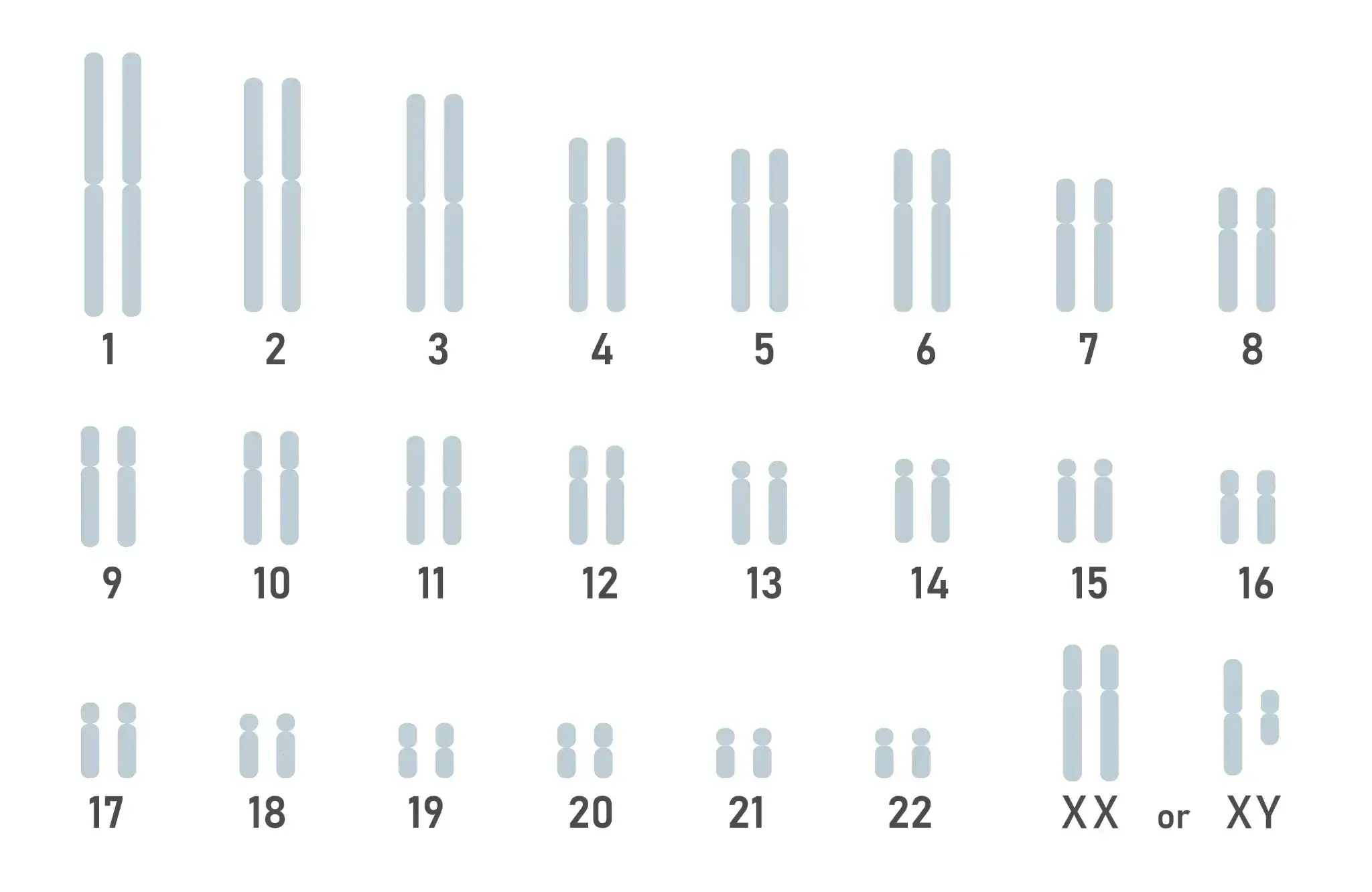
Schematic diagram of DNA map present in cells
- ■
- ■
- ■
- ■
- ■
- ■
- ■
- ■
- ■
Related genes
| Related genes | PRPS1P1 |
|---|---|
| Related genes | BDNF |
| Related genes | ADRB2 |
| Related genes | NPC1 |
Frequently asked questions (FAQ)
Q1. What is the susceptibility to obesity?
Proneness to obesity refers to a constitutional tendency to accumulate excessive body fat.Genetic factors contribute about 40-70%, and the rest is influenced by environmental factors such as diet, exercise, sleep, and stress. A BMI of 25 or higher (Japanese standards) is considered obese, which increases the risk of serious diseases such as type 2 diabetes, cardiovascular disease, certain cancers, and metabolic syndrome.
Q2. Is susceptibility to obesity related to genes?
Yes.A study by Meeks et al. from the National Institutes of Health (2021, Genome Medicine) found that the DNA region rs201751833 is associated with obesity risk.There are three genotypes of rs201751833: TT, TG, and GG, and people with the T mutation tend to have a higher risk of obesity.
Q3. What is the distribution of obesity-related genotype (rs201751833) in Japanese people?
The genotype distribution of rs201751833 in Japanese people isTT type 40.2%, TG type 46.3%, GG type 13.3%It is. Worldwide, 62.1% are TT type, 33.3% are TG type, and 4.4% are GG type, and Japanese people have a characteristic that the proportion of GG type is about three times higher than the world average.
Q4. What effect does obesity have on health?
Obesity isType 2 diabetes (approximately 7-fold increased risk), cardiovascular disease (approximately 2-3 times increased risk)It causes a wide range of serious health risks, including certain cancers (colon cancer, breast cancer, etc.), metabolic syndrome, and sleep apnea syndrome. It has also been shown that overactivation of adipsin (complement factor D) promotes fat accumulation.
Q5. What are the effective ways to prevent obesity?
For obesity preventionA well-balanced diet (appropriately manage daily calorie intake), regular exercise (more than 150 minutes of moderate aerobic exercise per week), sufficient sleep (7 to 8 hours), and stress managementis effective. It is said that even people who are genetically at high risk can reduce their risk of developing the disease by 30-40% by making lifestyle changes.
References
- Reference link 1: 2021 Oct., Karlijn A C Meeks, Genome Med
- Reference link 2: 2013 May., Sonja I Berndt, Nat Genet
- Reference link 3: 2012 Sep., Maha H Daghestani, Int J Endocrinol
- Reference link 4: 2011 Sep., Camilla Helene Sandholt, PLoS One