
 non-melanoma skin cancer
- Non-melanoma skin cancer (NMSC) is a type of skin cancer that is broadly divided into basal cell carcinoma (BCC) and squamous cell carcinoma (SCC).and accounts for approximately 95% of all skin cancers, with UV exposure being the main risk factor.
- Type A mutation in DNA region rs2776348QIMR Berghofer Medical Research Institute study finds that people with
- The prevalence of type A mutation (AA+AC) in Japanese people is86.5%, which is almost the same as the world average of 86.4%.
Overview Non-melanoma skin cancer is a type of cancer that starts from cells other than melanocytes in the skin. This cancer can be broadly divided into basal cell carcinoma (BCC) and squamous cell carcinoma (SCC). When the disease develops, the skin is damaged and looks different from normal skin. BCC appears as a pearl-like bump or lump. In some cases, it looks like a thin scar and occurs primarily on areas exposed to the sun, such as the face, neck, and arms. On the other hand, SCC appears as a red lump or scaly scab. It can occur all over the body, but it tends to occur more often in areas exposed to sunlight. These cancers often appear pink, red, or brown in color. Symptoms include bleeding, itching, and pain, and as it does not heal naturally, early detection and treatment are important. Although it is less likely to spread to other parts of the body, care must be taken as it can spread to adjacent tissues and organs. A study by Liyanage et al. from the QIMR Berghofer Institute of Medical Research revealed that the risk of developing non-melanoma skin cancer is associated with a DNA region called rs2776348. There are three genotypes in this DNA region: AA, AC, and CC, and it was found that people with the A genotype tend to have a higher risk of non-melanoma skin cancer.
What is non-melanoma skin cancer?
Non-Melanoma Skin Carcinoma (NMSC) is a general term for cancers that develop from cells other than melanocytes in the skin.It is broadly divided into two types: basal cell carcinoma (BCC) and squamous cell carcinoma (SCC), and accounts for approximately 95% of all skin cancers.
Difference between basal cell carcinoma (BCC) and squamous cell carcinoma (SCC)
Non-melanoma skin cancers are classified into two types depending on the type of cells they develop. The characteristics of each are as follows.
| Item | Basal cell carcinoma (BCC) | Squamous cell carcinoma (SCC) |
|---|---|---|
| developmental cells | basal layer cells of the epidermis | squamous epithelial cells of the epidermis |
| Appearance | Pearl-like bumps/lumps, thin scars | Red lump, scaly scab |
| Frequently occurring site | Face, neck, arms (sun exposed areas) | Whole body (especially sun-exposed areas) |
| tone | pink, red, brown | pink, red, brown |
| Metastasis risk | low | somewhat expensive |
Main symptoms of non-melanoma skin cancer
- Bleeding:Bleeding from the lesion site is seen
- Itching:Persistent itching occurs
- Pain:Pain at the lesion site
- Does not heal naturally:Unlike normal wounds, it is unique in that it does not heal naturally.
Although metastasis to other parts of the body is relatively rare, it can spread to adjacent tissues and organs;Early detection and treatment are importantIt is.
The relationship between genes and non-melanoma skin cancer
Relationship between DNA region rs2776348 and non-melanoma skin cancer
A study by Liyanage et al. from the QIMR Berghofer Medical Institute (published in Hum Mol Genet in 2019) revealed that the risk of developing non-melanoma skin cancer is associated with the DNA region rs2776348.
- There are three genotypes of rs2776348: AA, AC, and CC.
- Genotype with type A mutation(AA type/AC type) people tend to have a higher risk of non-melanoma skin cancer
- This gene region is related to the PCSEAT gene
Comparison of genotype distribution in Japanese and the world (rs2776348)
| Genotype | Percentage of Japanese people | percentage of the world |
|---|---|---|
| AA type | 40.2% | 39.9% |
| AC type | 46.3% | 46.5% |
| CC type | 13.3% | 13.5% |
The prevalence of type A mutation in Japanese people (AA+AC) is86.5%This is almost the same as the world average of 86.4%. On the other hand, the percentage of Japanese people with type CC is13.3%This is almost the same as the world average of 13.5%, indicating that there is no significant difference in the genetic risk of non-melanoma skin cancer between Japanese and the rest of the world.
Relationship between DNA region rs2776353 and non-melanoma skin cancer
rs2776353 has also been reported as a genetic region involved in non-melanoma skin cancer.
Comparison of genotype distribution in Japanese and the world (rs2776353)
| Genotype | Percentage of Japanese people | percentage of the world |
|---|---|---|
| AA type | 40.8% | 41.7% |
| AT type | 46.1% | 45.7% |
| TT type | 13.0% | 12.5% |
Regarding rs2776353, the prevalence of type AA among Japanese people is40.8%This is almost the same level as the world average of 41.7%.
Rationale for testing
Superficial DNA region: non-melanoma skin cancer
The gene region most strongly associated with non-melanoma skin cancer is rs2776348. The distribution of isomorphic genotypes in Japan is as follows.
- AA
40.2 % - AC
46.3 % - CC
13.3 %
Another gene region involved in non-melanoma skin cancer is rs2776353. The distribution of isomorphic genotypes in Japan is as follows
- AA
40.8 % - AT
46.1 % - TT
13.0 %
Basis for inspection
A study by Liyanage and colleagues at the QIMR Berghofer Medical Institute revealed that the risk of developing non-melanoma skin cancer is linked to genes. There is a region called rs2776348 in the human genome, and there are two types of mutations, A and C, in the gene in this region. It was found that people with type A mutations tend to have an increased risk of non-melanoma skin cancer.
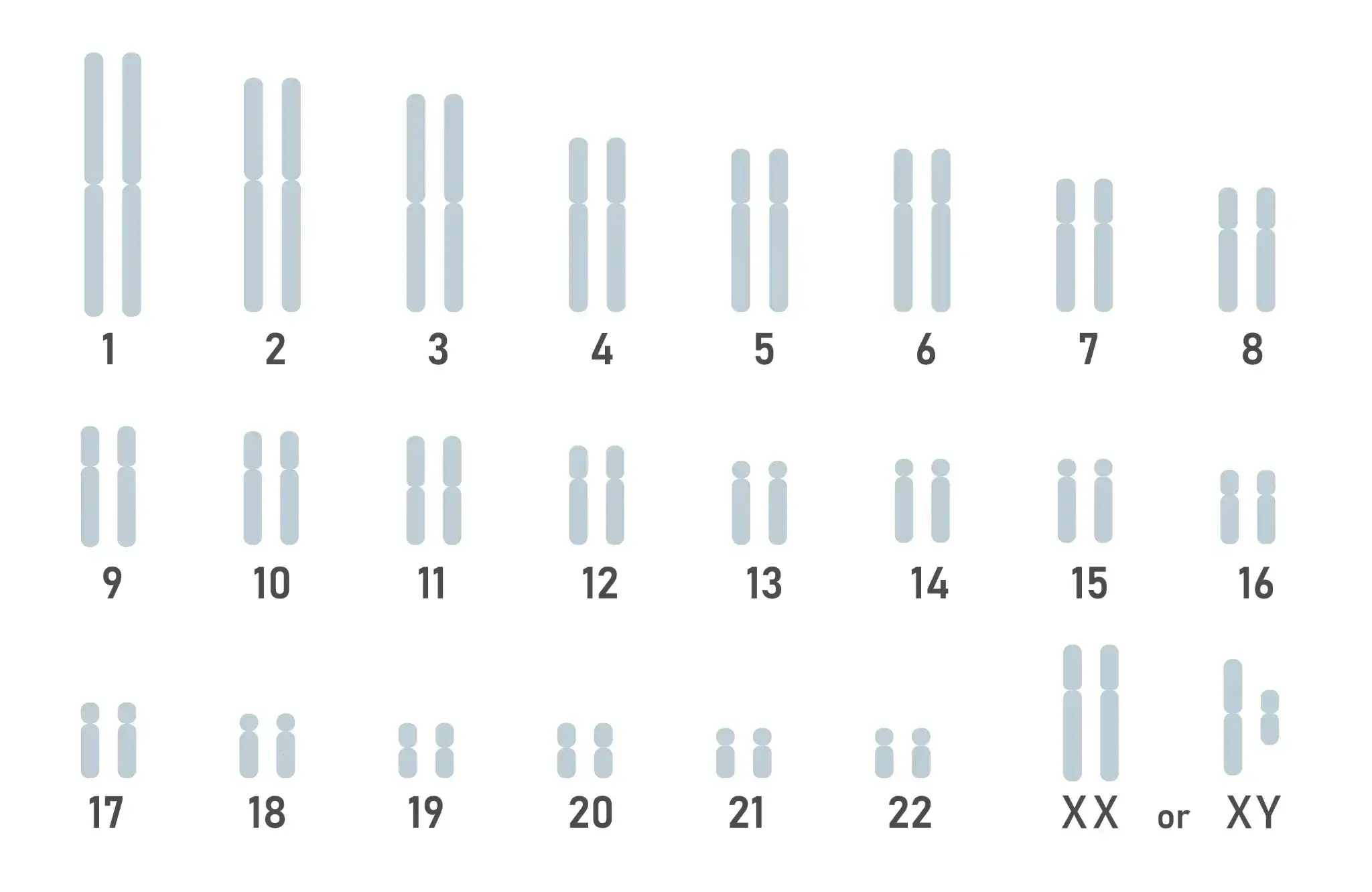
The DNA region investigated this time
Schematic diagram of DNA map present in cells
- ■
- ■
- ■
- ■
- ■
- ■
- ■
- ■
- ■
Related genes
| Related genes | PCSEAT |
|---|---|
| Related genes | PCSEAT |
Frequently asked questions (FAQ)
Q1. What is non-melanoma skin cancer?
Non-melanoma skin cancer (NMSC) is a general term for cancers that develop from cells other than melanocytes in the skin.It is broadly divided into two types: basal cell carcinoma (BCC) and squamous cell carcinoma (SCC), and accounts for approximately 95% of all skin cancers. BCC appears as pearl-like bumps or lumps that occur mainly in areas exposed to sunlight, while SCC may develop as red lumps or scaly scabs all over the body.
Q2. What is the relationship between non-melanoma skin cancer and genes?
A study by Liyanage et al. (2019, Hum Mol Genet) from QIMR Berghofer Medical Research Institute found that the DNA region rs2776348 is associated with morbidity risk.There are three genotypes of rs2776348: AA, AC, and CC, and people with the genotype A mutation (AA type/AC type) tend to be at higher risk.
Q3. What is the difference between basal cell carcinoma (BCC) and squamous cell carcinoma (SCC)?
BCC isPearl-like bumps and lumpsIt is characterized by mainly affecting the face, neck, and arms, and has a low metastasis rate. SCC isRed lumps and scaly scabsIt is characterized by the fact that it can occur throughout the body, and the risk of metastasis tends to be slightly higher than that of BCC.
Q4. How does the genotype distribution of non-melanoma skin cancer differ between Japan and the rest of the world?
In the DNA region rs2776348, the genotype distribution of Japanese people isAA type 40.2%, AC type 46.3%, CC type 13.3%It is. Worldwide, 39.9% are type AA, 46.5% are type AC, and 13.5% are type CC, and the Japanese and global averages show almost the same distribution.
Q5. How can non-melanoma skin cancer be detected early?
on the skinNew lumps, bumps, and scaly changesIf a mole appears, or if an existing mole changes shape, color, or enlarges, consult a dermatologist immediately. Particular attention should be paid to skin changes that cause persistent bleeding, itching, and pain that do not heal naturally.
References
- Reference link 1: 2019 Sep., Upekha E Liyanage, Hum Mol Genet
- Reference link 2: 2018 May., Alessia Visconti, Nat Commun