
 Non-lobar cerebral hemorrhage

- Non-lobar cerebral hemorrhage is a hemorrhagic stroke that occurs deep in the brain (thalamus, basal ganglia, cerebellum, brainstem)And high blood pressure is the main cause
- G-type mutation in DNA region rs789859A Massachusetts General Hospital study found that people with
- appropriateBlood pressure management/lifestyle improvementIt is possible to reduce the risk of onset and prevent recurrence.
Overview Nonlobar intracerebral hemorrhage is a form of stroke that refers to bleeding within the brain that occurs outside the main parts of the brain. This may include bleeding into deep structures of the brain, such as the thalamus, basal ganglia, cerebellum, and brainstem. These areas play important roles in processing and relaying sensory information, coordinating movement, and involuntary functions such as heartbeat and breathing. Symptoms of nonlobar intracerebral hemorrhage vary depending on the area of the brain affected. Common symptoms include weakness or paralysis on one side of the body, difficulty speaking or swallowing, vision problems, dizziness, confusion, and altered consciousness, ranging from coma. The severity of symptoms varies depending on the size and location of the bleeding. This condition can be caused by factors such as high blood pressure and cerebral amyloid angiopathy. Treatment and prognosis depend on the cause of the bleeding, its size, location, and the patient's overall health. Early detection and treatment are important in alleviating symptoms and minimizing damage. Nonlobar intracerebral hemorrhage refers to bleeding that occurs deep in the brain (brainstem, cerebellum, basal ganglia, thalamus). High blood pressure is the main cause, and long-term high blood pressure damages small arteries that eventually rupture, causing bleeding. Symptoms of non-lobar intracerebral hemorrhage depend on the location and amount of hemorrhage, such as sudden severe headache, loss of consciousness, vomiting, paralysis of one side of the body, visual disturbances, speech disturbances, and loss of balance. In particular, bleeding in the brainstem or cerebellum is often life-threatening and requires prompt response. Medical treatment includes blood pressure control and medication to promote blood clotting, and in severe cases, surgery. Nonlobar intracerebral hemorrhage often causes serious conditions and may leave behind sequelae, so early diagnosis and appropriate treatment are important. A study by Chung et al. at Massachusetts General Hospital revealed that the risk of non-lobular cerebral hemorrhage is associated with a DNA region called rs789859. There are three genotypes in this DNA region: GG, GT, and TT, and it was found that people with the G genotype tend to have a higher risk of non-lobar cerebral hemorrhage.
What is non-lobar cerebral hemorrhage?
Non-lobar cerebral hemorrhage is a hemorrhagic stroke that occurs in the deep structures of the brain (thalamus, basal ganglia, cerebellum, brainstem).It accounts for approximately 50-70% of all cerebral hemorrhages, and high blood pressure is the biggest cause.
Causes and mechanisms of non-lobar cerebral hemorrhage
Non-lobar cerebral hemorrhage occurs when small arteries (perforators) deep in the brain are damaged by long-term high blood pressure and eventually rupture, causing bleeding.
- Hypertensive arteriolar sclerosis:Degeneration and weakening of small artery walls deep in the brain
- Lipohyalinosis:Lipohyalin substances are deposited on the walls of small arteries, destroying the structure of the blood vessel walls.
The main risk factors are:
- High blood pressure (causing approximately 60-70% of cases)
- Smoking/excessive drinking
- Use of anticoagulants
- Genetic predisposition (G-type mutation in DNA region rs789859)
Main symptoms of non-lobar cerebral hemorrhage
The symptoms areBleeding site and amountIt varies depending on the person and occurs suddenly.
- sudden severe headache
- Paralysis/weakness of one limb (hemiparalysis)
- Speech impairment (difficulty speaking or swallowing)
- Disorder of consciousness (confusion, decreased consciousness, coma)
- Visual disturbance, dizziness, vomiting
- loss of balance
Difference between non-lobar cerebral hemorrhage and lobar cerebral hemorrhage
| Comparison items | Non-lobar cerebral hemorrhage | lobar cerebral hemorrhage |
|---|---|---|
| bleeding site | Deep brain (thalamus, basal ganglia, cerebellum, brainstem) | Directly below the cerebral cortex (brain lobe) |
| Main cause | High blood pressure (about 60-70%) | cerebral amyloid angiopathy |
| Age of onset | 50s to 70s | Over 70 years old |
| Related gene regions | rs789859 (G-type mutation) | APOE gene |
| Recurrence risk | Can be reduced by blood pressure management | High recurrence rate |
Treatment and prognosis
Treatment depends on the cause, size, and location of the bleeding, as well as the patient's overall health.
- Medical treatment:Blood pressure management, administration of blood clotting promoters, and management of cerebral edema
- Surgical treatment:Hematoma removal (performed in severe cases)
- Rehabilitation:Training for motor function recovery and language function recovery
Bleeding in the brainstem or cerebellum has a high risk of being life-threatening and requires immediate attention. Early diagnosis and appropriate treatment play an important role in reducing sequelae.
Relationship between genes and non-lobar cerebral hemorrhage
Relationship between DNA region rs789859 and onset risk
A study by Chung et al. (1) at Massachusetts General Hospital found that the DNA region rs789859 was associated with the risk of non-lobular cerebral hemorrhage.
- There are three genotypes of rs789859: GG, GT, and TT.
- Genotype with type G mutationpeople tend to have a higher risk of non-lobar cerebral hemorrhage
Genotype distribution in Japanese (rs789859)
| Genotype | Percentage of Japanese people | percentage of the world |
|---|---|---|
| GG type | 62.1% | 36.9% |
| GT type | 33.3% | 47.6% |
| TT type | 4.4% | 15.3% |
Rationale for testing
Superficial DNA region: non-lobar cerebral hemorrhage
The gene region that most strongly affects non-lobar cerebral hemorrhage is rs789859. The distribution of isomorphic genotypes in Japan is as follows.
- GG
62.1 % - GT
33.3 % - TT
4.4 %
Basis for inspection
A study by Chung et al. at Massachusetts General Hospital revealed that the risk of non-lobar cerebral hemorrhage is linked to genes. There is a region called rs789859 in the human genome, and there are two types of mutations, G and T, in the gene in this region.People with type G mutations tend to have a higher risk of non-lobar cerebral hemorrhage.It turns out that there is (1).
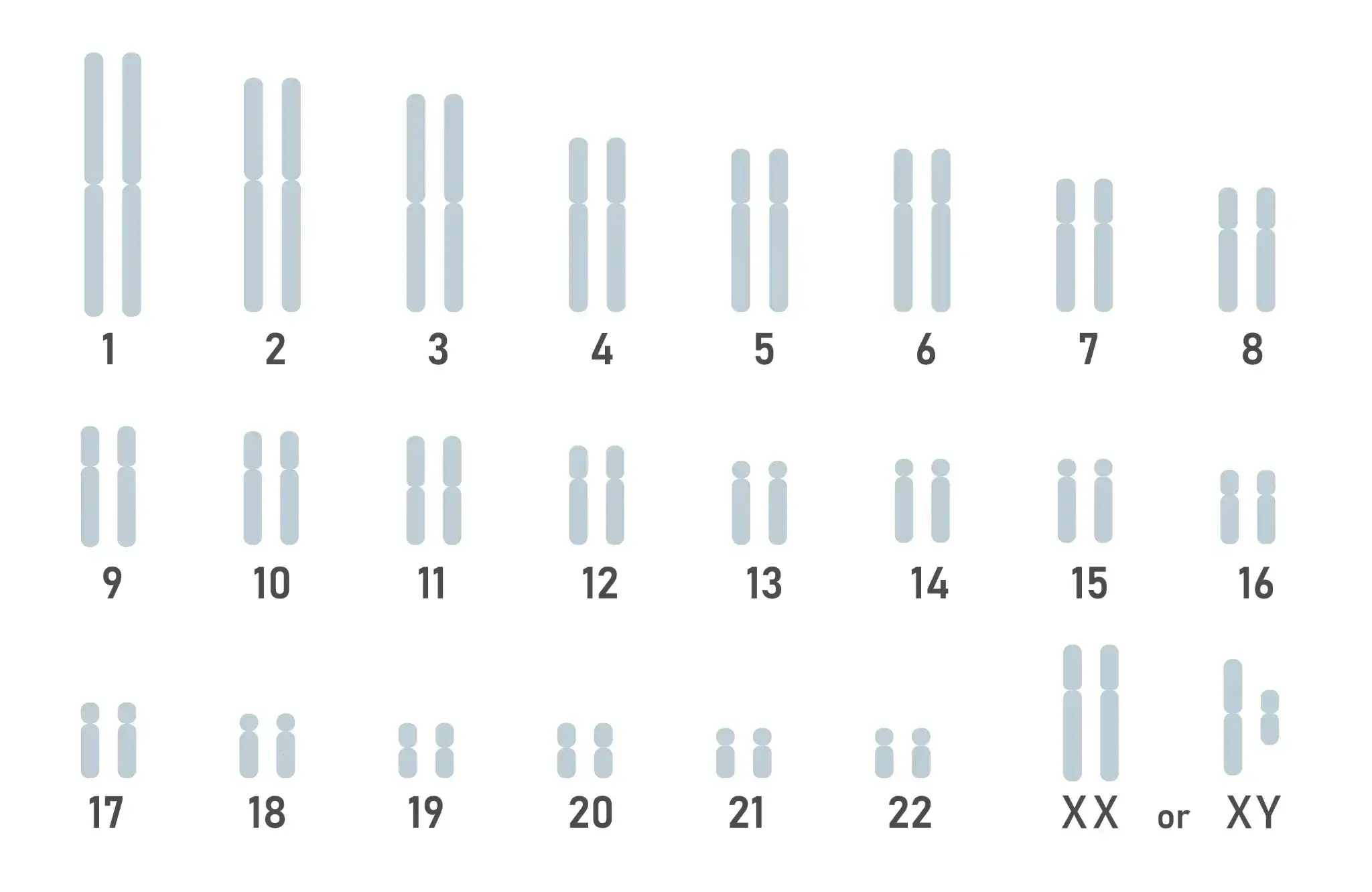
The DNA region investigated this time
Schematic diagram of DNA map present in cells
- ■
- ■
- ■
- ■
- ■
- ■
- ■
- ■
- ■
Related genes
| Related genes | LSG1 |
|---|
Frequently asked questions (FAQ)
Q1. What is non-lobar cerebral hemorrhage?
Non-lobar cerebral hemorrhage is a hemorrhagic stroke that occurs in the deep structures of the brain (thalamus, basal ganglia, cerebellum, brainstem).It accounts for approximately 50-70% of all cerebral hemorrhages, and hypertension is the main cause (1).
Q2. What is the cause of non-lobar cerebral hemorrhage?
The biggest cause isHigh blood pressure (approximately 60-70% of all cases)It is. Long-term high blood pressure damages small arteries deep in the brain, causing them to rupture and cause bleeding. Carriers of the G variant in the DNA region rs789859 tend to be at increased risk (1).
Q3. What is the difference between non-lobar hemorrhage and lobar hemorrhage?
The non-lobar type isDeep brain (thalamus, basal ganglia, cerebellum, brainstem)It occurs and high blood pressure is the main cause. The lobar type isJust below the cerebral cortexCerebral amyloid angiopathy is the main cause.
Q4. Can genetic testing determine the risk of non-lobar cerebral hemorrhage?
By examining the genotype of DNA region rs789859,Understanding risk trends for non-lobar cerebral hemorrhageYou can. A Massachusetts General Hospital study found that people with the G mutation genotype tend to be at increased risk (1).
Q5. Is there any way to prevent non-lobar cerebral hemorrhage?
The most effective prevention method isblood pressure managementIt is. Maintaining systolic blood pressure below 130 mmHg can reduce the risk of developing the disease. Smoking cessation, moderate exercise, a low-salt diet, and moderation of alcohol consumption are also effective in preventing the disease.
References
- Reference link 1: 2019 Oct., Jaeyoon Chung, Brain