
 Likelihood of becoming addicted to nicotine

- Nicotine dependence is an addiction disease caused by nicotine promoting the release of dopamine in the brain.Approximately 70% of smokers fall into this category.
- Type A mutation in DNA region rs1051730A study by deCODE Genetics found that people with this condition tend to have a higher risk of developing the disease.
- Nicotine replacement therapy and non-nicotine drug therapyIt is possible to improve the success rate of quitting smoking by 50-70%.
Overview Nicotine addiction refers to a strong dependence on the substance nicotine contained in cigarettes. This addiction is formed because nicotine affects neurotransmitters in the brain. Nicotine stimulates the release of dopamine in the brain, which causes feelings of pleasure and relaxation. For this reason, continuing to smoke gives you a sense of pleasure and makes it difficult to quit. The main symptoms of nicotine dependence are a strong desire to smoke and an inability to quit even if continuing to smoke causes health problems. When you stop smoking, you will experience withdrawal symptoms such as irritability, loss of concentration, sleepiness, and increased appetite. Long-term smoking also increases the risk of diseases such as lung cancer, heart disease, and chronic obstructive pulmonary disease (COPD). To help people quit smoking, people may be prescribed nicotine replacement therapy (nicotine patches or gum) or nicotine-neutral drugs (such as varenicline or bupropion), which can help reduce the desire to smoke and ease withdrawal symptoms. A study by Thorgeirsson et al. of deCODE Genetics revealed that the risk of developing nicotine dependence is associated with a DNA region called rs1051730. There are three genotypes in this DNA region: GG, GA, and AA, and it was found that people with the A genotype tend to have a higher risk of developing nicotine dependence.
What is nicotine addiction?
Nicotine dependence is an addiction disease that occurs when the nicotine contained in cigarettes stimulates the release of the neurotransmitter dopamine in the brain.It is also classified as a mental and behavioral disorder in the World Health Organization's International Classification of Diseases (ICD-10).
Causes and mechanisms of nicotine dependence
Nicotine reaches the brain just 10-20 seconds after smoking and forms dependence through the following mechanisms:
- Promote dopamine release:Nicotine binds to nicotinic acetylcholine receptors (nAChRs) in the brain and promotes dopamine release in the reward system.
- Formation of resistance:Repeated smoking increases the number of nAChRs, requiring more nicotine to achieve the same pleasure.
- Onset of withdrawal symptoms:When nicotine concentration decreases, dopamine secretion decreases, causing unpleasant withdrawal symptoms.
The main risk factors are:
- Younger age at starting smoking (Before 15 years oldThe risk of dependence increases significantly with the start of
- Genetic predisposition (rs1051730 mutation in CHRNA3 gene)
- Stressful environment/mental factors
- Number of cigarettes smoked per day (10 or more per day(increasing dependence risk)
Main symptoms of nicotine dependence
Symptoms of nicotine dependencePhysical dependence and psychological dependenceIt is classified into two types.
- Strong craving/urge to smoke
- Unable to quit smoking even if aware of the health risks
- Feeling of irritability and loss of concentration when quitting smoking
- Anxiety/depressed mood
- Increased appetite/weight gain
Health risks of nicotine addiction
| Disease category | specific disease | risk multiplier |
|---|---|---|
| cancer | Lung cancer/pharyngeal cancer/esophageal cancer | Approximately 4 to 20 times more than non-smokers |
| cardiovascular disease | Myocardial infarction/stroke | Approximately 2 to 4 times more than non-smokers |
| respiratory disease | Chronic obstructive pulmonary disease (COPD) | Approximately 10 to 13 times more than non-smokers |
| Others | Periodontal disease/osteoporosis | Approximately 2 to 8 times more than non-smokers |
Nicotine addiction treatment and smoking cessation support
The following methods are effective in treating nicotine dependence:
- Nicotine Replacement Therapy (NRT):Reduce withdrawal symptoms with nicotine patches and nicotine gum (improve success rate of quitting smoking by approximately 50-70%)
- Varenicline (Champix):Prescription drugs that partially act on nAChRs and suppress the pleasurable sensations of nicotine
- Bupropion:Antidepressants that inhibit the reuptake of dopamine and noradrenaline
- Cognitive behavioral therapy (CBT):Psychotherapy to identify smoking triggers and modify behavioral patterns
The relationship between genes and nicotine dependence
Relationship between DNA region rs1051730 and onset risk
A study by Thorgeirsson et al. (1) from deCODE Genetics revealed that the DNA region rs1051730 is associated with the risk of developing nicotine dependence.
- There are three genotypes of rs1051730: GG, GA, and AA.
- Genotype with type A mutationpeople tend to be at higher risk of nicotine dependence
Genotype distribution in Japanese (rs1051730)
| Genotype | Percentage of Japanese people | percentage of the world |
|---|---|---|
| GG type | 96.1% | 45.6% |
| GA type | 3.7% | 43.8% |
| AA type | 0.1%以下 | 10.5% |
Rationale for testing
Surface DNA region: susceptibility to nicotine addiction
The gene region that most strongly influences susceptibility to nicotine dependence is rs1051730. The distribution of isomorphic genotypes in Japan is as follows.
- GG
96.1 % - GA
3.7 % - AA
0.1%以下
Basis for inspection
A study by Thorgeirsson et al. of deCODE Genetics revealed that the tendency to become addicted to nicotine is linked to genes. There is a region called rs1051730 in the human genome, and there are two types of mutations, G and A, in the gene in this region. It has been found that people with type A mutations tend to have a higher risk of nicotine dependence (1).
The DNA region investigated this time
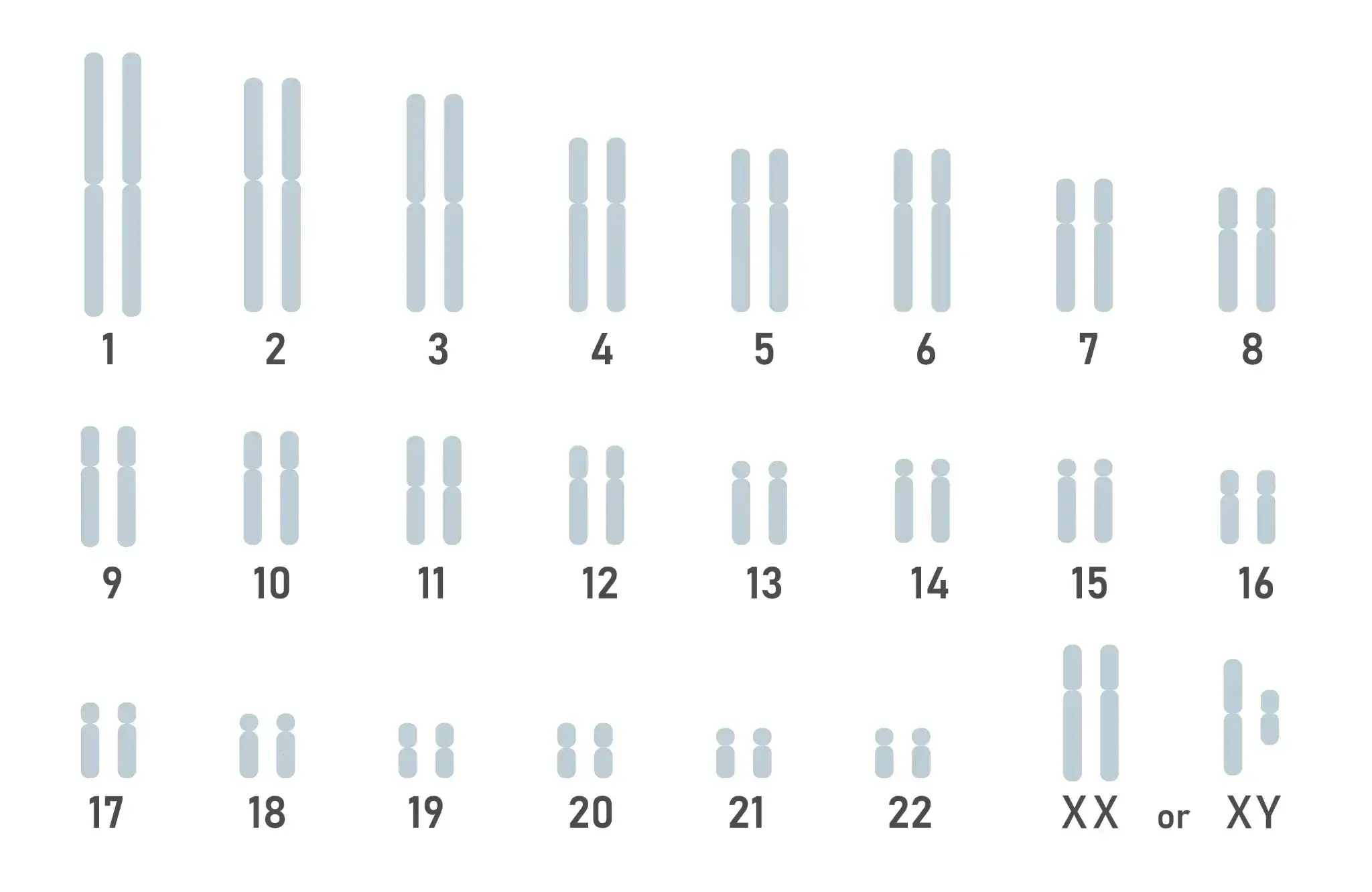
Schematic diagram of DNA map present in cells
- ■
- ■
- ■
- ■
- ■
- ■
- ■
- ■
- ■
Related genes
| Related genes | CHRNA3 |
|---|
Frequently asked questions (FAQ)
Q1. What is nicotine dependence?
Nicotine dependence is an addiction disease that occurs when the nicotine contained in cigarettes stimulates the release of the neurotransmitter dopamine in the brain.Approximately 70% of smokers are said to be addicted to nicotine, and it is classified as a mental and behavioral disorder in the World Health Organization's ICD-10 (1).
Q2. What are the characteristics of people who are more likely to become addicted to nicotine?
In the DNA region rs1051730Genotype with type A mutationpeople tend to be at higher risk of developing nicotine dependence. In Japanese, GG type accounts for 96.1%, and GA type accounts for 3.7%. In addition to genetic predisposition,Younger age at starting smokingand the stressful environment (1).
Q3. What are the withdrawal symptoms of nicotine dependence?
At its peak 24 to 72 hours after quitting smoking,Feeling of irritability, decreased concentration, severe drowsiness, increased appetite, anxiety, depressed moodWithdrawal symptoms such as These symptoms usually subside in 2 to 4 weeks.
Q4. What is the treatment for nicotine dependence?
The main treatment method isNicotine replacement therapy (nicotine patch/nicotine gum)and drugs such as varenicline and bupropion.Non-nicotine drug therapyIt is. Clinical studies have shown that nicotine replacement therapy improves smoking cessation success rates by approximately 50-70% (1).
References
- Reference link 1: 2008 Apr., Thorgeir E Thorgeirsson, Nature