
 neutrophilia

- Neutrophilia is a condition in which neutrophils, a type of white blood cell, increase abnormally.The main causes include infection, inflammation, and stress.
- Type A mutation in DNA region rs34290285A University of Cambridge study found that people with
- Diagnosis is possible with a complete blood count (CBC) test;Identification of causative disease and appropriate treatmentis important
Overview Neutrophilia is a condition in which neutrophils, a type of white blood cell, increase in the body. Neutrophils play a very important role in fighting infection and inflammation. Neutrophils, which normally make up 40% to 60% of white blood cells in adults, serve as the body's first line of defense, fighting pathogens such as bacteria and viruses. In neutrophilia, the proportion of neutrophils is increased above normal, indicating that the body is producing or releasing too many neutrophils. This condition can be caused by infection, inflammation, or stimuli such as stress or exercise. A complete blood count (CBC) test can measure the percentage of neutrophils and other cells in the blood and identify neutrophilia. Increased numbers of neutrophils are understood as a protective response to neutralize and eliminate pathogens from the body, but persistently high levels raise concerns about adverse tissue effects. Therefore, it is necessary to understand the causes of neutrophilia in order to take appropriate measures. A study by Astle and colleagues at the University of Cambridge revealed that the risk of developing neutrophilia is associated with a DNA region called rs34290285. There are three genotypes in this DNA region: GG, GA, and AA, and it was found that people with the A genotype tend to have a higher risk of neutrophilia.
What is neutrophilia?
Neutrophilia is a condition in which neutrophils, a type of white blood cell, increase abnormally in the blood.Neutrophils typically make up 40-60% of white blood cells in adults and are the first line of defense against pathogens such as bacteria and viruses.
Causes and mechanisms of neutrophilia
Neutrophilia occurs when the body produces and releases too many neutrophils. The main causes are as follows.
- Infectious disease:Neutrophils increase rapidly as an immune response to bacterial infection
- Inflammatory diseases:Chronic inflammation such as rheumatoid arthritis and inflammatory bowel disease
- Stress response:Cortisol secretion due to physical and mental stress
- Smoking:Increased neutrophil count due to chronic airway inflammation
- Intense exercise:Temporary neutrophil migration into peripheral blood
- Drug side effects:Increase in neutrophil count due to corticosteroids etc.
Main symptoms of neutrophilia
Neutrophilia itselfOften asymptomaticIn some cases, it is discovered as a symptom of an underlying disease.
- Fever/malaise (if caused by an infection)
- Joint swelling/pain (in case of inflammatory disease)
- Weight loss/night sweats (in case of malignant disease)
Severity classification of neutrophilia
| classification | Absolute neutrophil count (ANC) | Main cause |
|---|---|---|
| Mild | 7,700〜11,000/μL | Stress/Exercise/Smoking |
| moderate | 11,000〜25,000/μL | Infectious diseases/inflammatory diseases |
| severe | 25,000/μL or more | Severe infectious disease/myeloproliferative disease |
Diagnostic method
It is diagnosed by the following tests.
- Complete blood count (CBC) test:Measuring the number of neutrophils and white blood cells in the blood
- Peripheral blood smear:Confirm morphological abnormalities in neutrophils
- CRP/ESR:Assess the degree of inflammation
Relationship between genes and neutrophilia
Relationship between DNA region rs34290285 and onset risk
A study by Astle and colleagues at the University of Cambridge found that the DNA region rs34290285 is associated with the risk of developing neutrophilia.
- There are three genotypes of rs34290285: GG, GA, and AA.
- Genotype with type A mutationpeople tend to be at higher risk of neutrophilia
Genotype distribution in Japanese (rs34290285)
| Genotype | Percentage of Japanese people | percentage of the world |
|---|---|---|
| GG type | 72.4% | 53.6% |
| GA type | 25.3% | 39.2% |
| AA type | 2.2% | 7.1% |
Rationale for testing
Superficial DNA region: Neutrophilia
The gene region that most strongly influences neutrophilia is rs34290285. The distribution of isomorphic genotypes in Japan is as follows.
- GG
72.4 % - GA
25.3 % - AA
2.2 %
Basis for inspection
A study by Astle and colleagues at the University of Cambridge revealed that the risk of developing neutrophilia is linked to genes. There is a region called rs34290285 in the human genome, and there are two types of mutations, G and A, in the gene in this region.People with the type A mutation tend to have a higher risk of neutrophiliaI found out that there is.
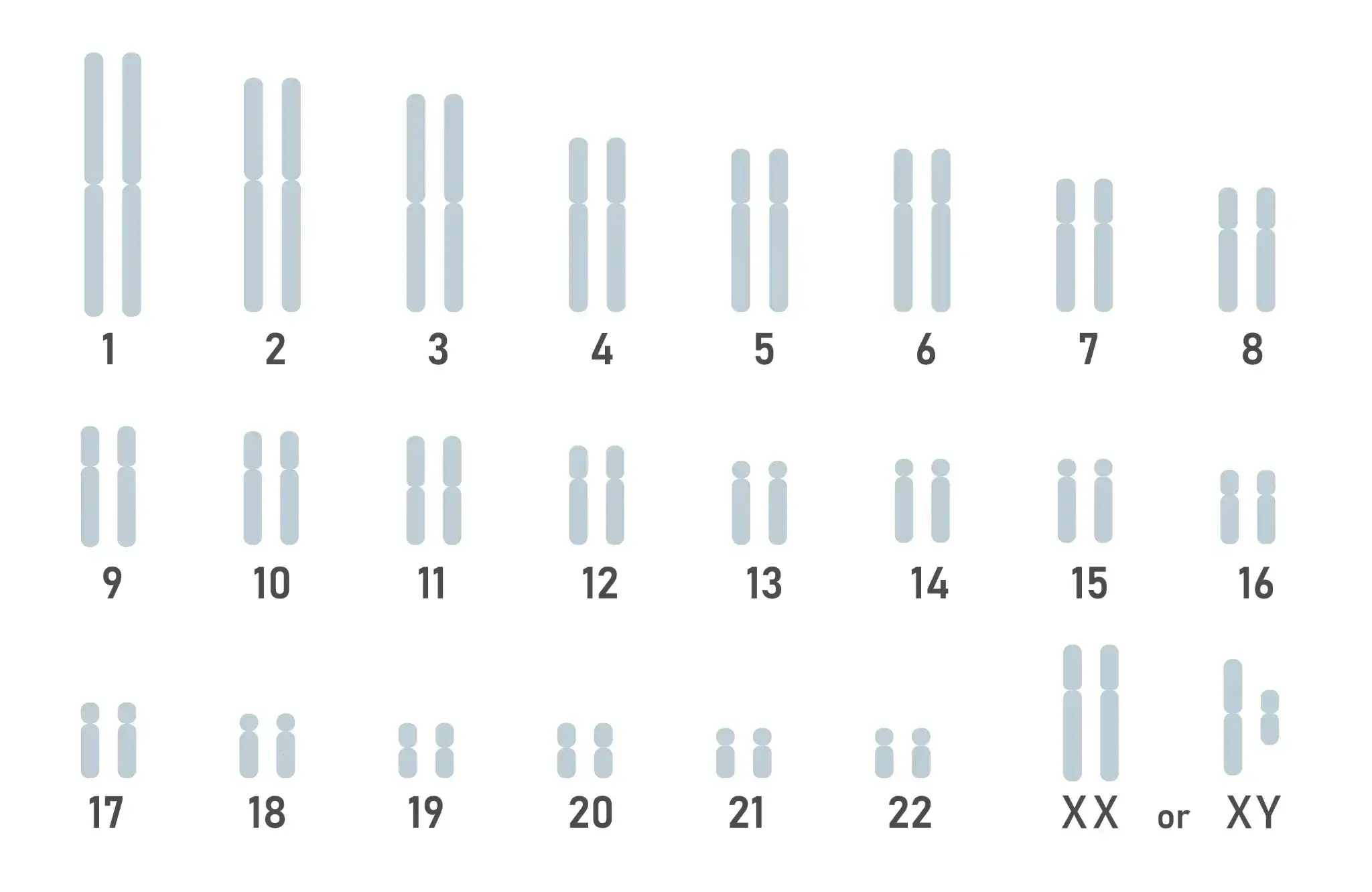
The DNA region investigated this time
Schematic diagram of DNA map present in cells
- ■
- ■
- ■
- ■
- ■
- ■
- ■
- ■
- ■
Related genes
| Related genes | D2HGDH |
|---|
Frequently asked questions (FAQ)
Q1. What is neutrophilia?
Neutrophilia is a condition in which neutrophils, a type of white blood cell, increase abnormally in the blood.Neutrophils typically make up 40-60% of white blood cells in adults and are the first line of defense against pathogens such as bacteria and viruses.
Q2. What is the cause of neutrophilia?
The main cause isInfectious diseases (bacterial infections), inflammatory diseases, stress reactions, smoking, strenuous exercise, drug side effectsIt is. Carriers of type A mutation in the DNA region rs34290285 tend to be at higher risk.
Q3. Is there a relationship between neutrophilia and genes?
According to research by Astle et al. at the University of Cambridge,DNA region rs34290285 is associated with risk of neutrophiliaIt turns out that it is. People with the genotype A tend to be at higher risk.
Q4. How is neutrophilia diagnosed?
Complete blood count (CBC) testDiagnosis is made by measuring the number of neutrophils in the blood. Neutrophilia is determined when the absolute neutrophil count (ANC) exceeds 7,700/μL.
References
- Reference link 1: 2016 Nov., William J Astle, Cell