
 Neutropenia

- Neutropenia is a disease in which the number of neutrophils in the blood drops below 1,500 cells/μLand below 500 cells/μL, the risk of life-threatening infections increases significantly.
- T-type mutation in DNA region rs17035850Research shows that people with the disease tend to be at higher risk of developing
- Chemotherapy, radiotherapy, bone marrow disease, autoimmune disease, drug side effects, etc.Identification of cause and early treatmentis important
Overview Neutropenia is a condition in which the number of white blood cells called neutrophils in the blood is significantly lower than normal. Neutrophils are white blood cells that are responsible for the body's main defense against pathogens such as bacteria and fungi. Normally, the number of neutrophils in the blood of adults ranges from 1,500 to 8,000 cells/microliter. The diagnosis of neutropenia is made when the number of neutrophils in the blood drops below 1,500 cells/microliter. Counts below 1,000 cells/microliter are more serious, and counts below 500 cells/microliter increase the risk of life-threatening infections. Symptoms of neutropenia are related to infection and include frequent fever, mouth ulcers, sore throat, diarrhea, pain when urinating, and unusual redness or swelling around the wound. Because this disease can be caused by a variety of factors, including chemotherapy, radiation therapy, bone marrow disease, autoimmune disease, and certain drugs, it is important to identify and address the root cause. Treatment depends on the cause, but commonly includes antibiotics and immune support therapy. A study by Hu and colleagues at the Fred Hutchinson Cancer Research Center revealed that the risk of developing neutropenia is associated with a DNA region called rs17035850. There are three genotypes in this DNA region: AA, AT, and TT, and it was found that people with the T genotype tend to have a higher risk of neutropenia.
What is neutropenia?
Neutropenia is a condition in which the number of neutrophils (a type of white blood cell) in the blood drops below 1,500 cells/μL.Neutrophils are white blood cells that are the body's main immune defense against pathogens such as bacteria and fungi.
Neutropenia severity classification
Neutropenia is classified into three stages based on the number of neutrophils:
| severity | Neutrophil count (cells/μL) | infection risk |
|---|---|---|
| Mild | 1,000〜1,500 | low |
| moderate | 500〜1,000 | medium |
| severe | less than 500 | significantly high |
Normally, the number of neutrophils in the blood of adults is1,500-8,000 cells/μLis in the range. Below 500 cells/μL, the risk of opportunistic infections increases significantly and requires urgent medical intervention.
What causes neutropenia?
The causes of neutropenia are broadly classified into the following four types:
- Treatability:Bone marrow suppression due to chemotherapy/radiotherapy
- Blood disease:Bone marrow diseases such as myelodysplastic syndrome and aplastic anemia
- Immune:Autoimmune diseases (such as systemic lupus erythematosus)
- Pharmaceutical properties:Side effects of certain drugs (antithyroid drugs, antipsychotics, etc.)
Identifying the root cause and addressing it appropriately is the first step in treatment.
Main symptoms of neutropenia
The symptoms arerelated to infectious diseasesis the main focus.
- Frequent fever (38℃ or higher)
- Mouth ulcers/sore throat
- Diarrhea/pain when urinating
- Abnormal redness and swelling around the wound
- General fatigue
Treatment of neutropenia
Treatment depends on the cause. The main treatments are:
- Antibiotics:Prevention and treatment of infectious diseases
- G-CSF (granulocyte colony stimulating factor):Promotes neutrophil production
- Immunosuppressive therapy:In case of autoimmunity
- Discontinuation of causative drug:In the case of drug-induced
Association between genes and neutropenia
Relationship between DNA region rs17035850 and risk of onset
A study by Hu et al. (2021, BMC Genomics) from the Fred Hutchinson Cancer Research Center found that the DNA region rs17035850 is associated with the risk of developing neutropenia.
- There are three genotypes of rs17035850: AA, AT, and TT.
- Genotype with T-type mutationpeople tend to be at higher risk of neutropenia
Genotype distribution in Japanese (rs17035850)
| Genotype | Percentage of Japanese people | percentage of the world |
|---|---|---|
| AA type | 98.0% | 78.6% |
| AT type | 1.9% | 20.0% |
| TT type | 0.1%以下 | 1.2% |
Rationale for testing
Superficial DNA region: Neutropenia
The gene region most strongly associated with neutropenia is rs17035850. The distribution of isomorphic genotypes in Japan is as follows.
- AA
98.0 % - AT
1.9 % - TT
0.1%以下
Another gene region involved in neutropenia is rs6686197. The distribution of isomorphic genotypes in Japan is as follows
- GG
0.1%以下 - GC
0.1%以下 - CC
99.9 %
Basis for inspection
A study by Hu and colleagues at the Fred Hutchinson Cancer Research Center revealed that the risk of developing neutropenia is linked to genes. There is a region called rs17035850 in the human genome, and there are two types of mutations, A and G, in the gene in this region. It was found that people with type A mutations tend to have a higher risk of neutropenia.
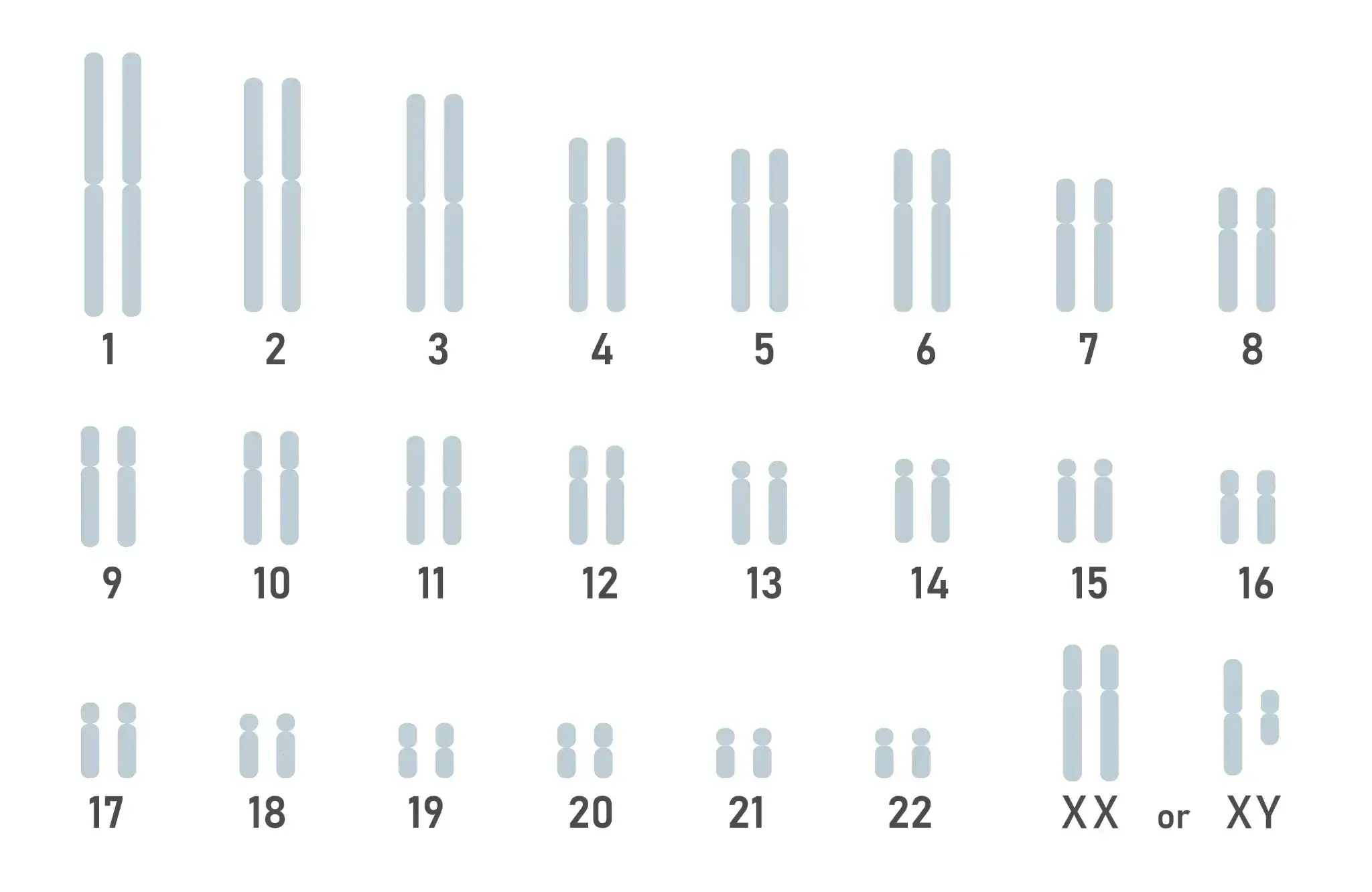
The DNA region investigated this time
Schematic diagram of DNA map present in cells
- ■
- ■
- ■
- ■
- ■
- ■
- ■
- ■
- ■
Related genes
| Related genes | LINC01762 |
|---|---|
| Related genes | UBE2Q1 |
Frequently asked questions (FAQ)
Q1. What is neutropenia?
Neutropenia is a condition in which the number of neutrophils (a type of white blood cell) in the blood drops below 1,500 cells/μL.Neutrophils are the primary immune defense against bacteria and fungi, and below 500 cells/μL, the risk of life-threatening infections is significantly increased.
Q2. What is the cause of neutropenia?
The main cause isChemotherapy/radiation therapy (therapeutic), bone marrow disease (blood disease), autoimmune disease (immune), drug side effects (drug)It is classified into four types. Carriers of the T mutation in the DNA region rs17035850 tend to be at higher risk.
Q3. What is the severity classification of neutropenia?
Neutrophil count in mild cases1,000-1,500 cells/μL, moderate is500-1,000 cells/μL, the severity isLess than 500 cells/μLIt is. In severe cases, the risk of opportunistic infections increases significantly and urgent medical intervention is required.
Q4. Can genetic testing determine the risk of neutropenia?
By examining the genotype of the DNA region rs17035850,Understanding trends in the risk of developing neutropeniaYou can. A study by the Fred Hutchinson Cancer Research Center found that people with the T mutation genotype tend to be at higher risk.
References
- Reference link 1: 2021 Jun., Yao Hu, BMC Genomics