
 neuropsychiatric disorders
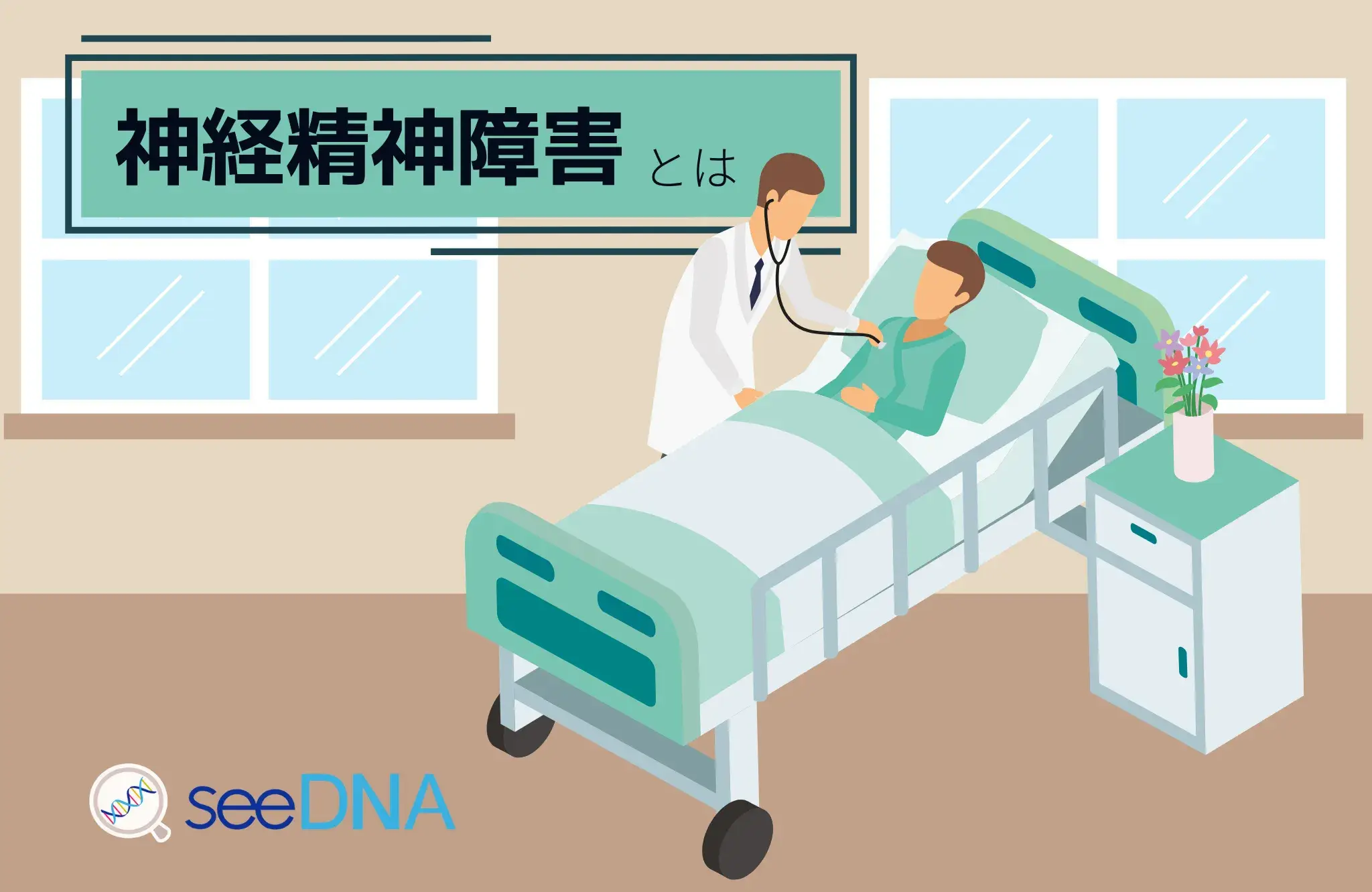
- Neuropsychiatric disorders are a group of diseases that involve multiple neurological and psychiatric symptoms.and includes a wide range of disorders such as depression, schizophrenia, ADHD, and dementia.
- T-type mutation in DNA region rs1378559A study at Tianjin Medical University found that people with this condition tend to be at higher risk of neuropsychiatric disorders.
- appropriateDrug therapy, psychological therapy, lifestyle improvementA comprehensive approach that combines the following to manage symptoms and improve quality of life.
Overview Neuropsychiatric disorders are a wide range of medical conditions that involve neurological and psychiatric symptoms. This has complex effects on an individual's cognitive functioning, emotions, and behavior. The cause of the disorder is diverse, including genetic predisposition, environmental factors, brain damage, and chemical imbalances in the brain. These include depression, bipolar disorder, schizophrenia, anxiety disorders, ADHD, autism spectrum disorder, and dementia. People with neuropsychiatric disorders experience a variety of symptoms, including mood swings, hallucinations, delusions, anxiety, mood swings, cognitive impairment, difficulty concentrating, and social withdrawal. These symptoms can have a major impact on your daily life, affecting your relationships, work productivity, and life in general. These disorders are complex and require diagnosis and treatment involving psychiatrists, neurologists, psychologists, and other medical professionals. Treatment options include medications, psychotherapy, behavioral therapy, and neuromodulation techniques tailored to individual needs. In order to successfully deal with neuropsychiatric disorders, it is important to comprehensively understand the interaction between neurological and psychiatric factors and improve the individual's standard of living. A study by Yao et al. of Tianjin Medical University revealed that the risk of developing neuropsychiatric disorders is associated with a DNA region called rs1378559. There are three genotypes in this DNA region: TT, TC, and CC, and it was found that people with the T genotype tend to have a higher risk of neuropsychiatric disorders.
What is a neuropsychiatric disorder?
Neuropsychiatric disorders are a general term for a wide range of medical conditions that involve a combination of neurological and psychiatric symptoms.It affects cognitive function, emotions, and behavior, and includes depression, bipolar disorder, schizophrenia, anxiety disorders, ADHD, autism spectrum disorder, and dementia.
Causes and mechanisms of neuropsychiatric disorders
Multiple factors are involved in the development of neuropsychiatric disorders.
- Genetic predisposition:Multiple genes are involved, including the T-type mutation in the DNA region rs1378559. People with a family history have an increased risk of developing the disease
- Chemical imbalances in the brain:Abnormal secretion of neurotransmitters such as serotonin, dopamine, and noradrenaline
- Environmental factors:Chronic stress, traumatic experiences, and social isolation
- Brain damage:Damage to the brain due to traumatic brain injury, cerebrovascular accident, and infection
Main symptoms of neuropsychiatric disorders
Symptoms of neuropsychiatric disordersboth neurological and psychiatric aspectsAppears on. Consultation with a specialist is recommended if symptoms interfere with daily life.
- Mood fluctuations/emotional instability
- hallucinations/delusions
- Anxiety/panic symptoms
- Cognitive impairment/memory decline
- Difficulty concentrating/lack of attention
- Social withdrawal/difficulty in interpersonal relationships
- Sleep disorders/changes in appetite
Differences between genetic and environmental factors in neuropsychiatric disorders
| Comparison items | genetic factors | environmental factors |
|---|---|---|
| cause | DNA mutations such as rs1378559 | Stress/trauma/brain injury |
| degree of influence | Involved in approximately 40-80% of risk of onset (depending on disease) | External factors that trigger the onset of the disease |
| Time of onset | Exists as a congenital predisposition | Expressed after environmental stress events |
| How to deal with it | Understand risk trends through genetic testing | Environmental improvement/psychotherapy |
| Preventability | Preventive action through early recognition | Can be reduced through environmental adjustment and stress management |
Typical diseases included in neuropsychiatric disorders
| Disease name | Main features | Main symptoms |
|---|---|---|
| depression | a type of mood disorder | Persistent low mood/loss of motivation |
| bipolar disorder | repeat manic depression | extreme mood swings |
| schizophrenia | Disorders of thinking and perception | Hallucinations/delusions/thought disorders |
| ADHD | Attention Deficit Hyperactivity Disorder | Difficulty concentrating, impulsivity, hyperactivity |
| dementia | Progressive decline in cognitive function | Memory impairment/deterioration of judgment |
Treatment and management of neuropsychiatric disorders
A comprehensive approach in which psychiatrists, neurologists, and psychologists work together is important for the treatment of neuropsychiatric disorders.
- Drug therapy:Use antidepressants, antipsychotics, mood stabilizers, and antianxiety drugs depending on symptoms
- Cognitive behavioral therapy (CBT):Corrects negative thought patterns and promotes adaptive behavior
- Behavioral therapy:Improving problem behavior and strengthening adaptive behavior
- Neuromodulation technology:Advanced treatments such as transcranial magnetic stimulation (TMS) and electroconvulsive therapy (ECT)
- Improving lifestyle habits:Regular sleep, at least 150 minutes of aerobic exercise per week, and a well-balanced diet
- Social support:Counseling, joining a support group, talking to someone you trust
Association between genes and neuropsychiatric disorders
Relationship between DNA region rs1378559 and onset risk
A study by Yao et al. from Tianjin Medical University revealed that the DNA region rs1378559 is associated with the risk of developing neuropsychiatric disorders.
- There are three genotypes of rs1378559: TT, TC, and CC.
- TT type/TC type peoplehave the T mutation and tend to have a higher risk of neuropsychiatric disorders
- CC type persondoes not have the T mutation and tends to have a relatively low risk
Genotype distribution in Japanese (rs1378559)
| Genotype | Percentage of Japanese people | percentage of the world | risk trends |
|---|---|---|---|
| TT type | 44.1% | 75.1% | high risk |
| TC type | 44.5% | 23.1% | Moderately high risk |
| CC type | 11.2% | 1.7% | relatively low risk |
The percentage of Japanese people with type CC is 11.2%, which is higher than the world average (1.7%), and the rate of type TT is 44.1%, which is lower than the world average (75.1%). Approximately 88.6% of Japanese people have the T mutation genotype (TT type or TC type).
Rationale for testing
Superficial DNA regions: neuropsychiatric disorders
The gene region most strongly associated with neuropsychiatric disorders is rs1378559. The distribution of isomorphic genotypes in Japan is as follows.
- TT
44.1 % - TC
44.5 % - CC
11.2 %
Basis for inspection
A study by Yao et al. of Tianjin Medical University revealed that the risk of developing neuropsychiatric disorders is related to genes. There is a region called rs1378559 in the human genome, and there are two types of mutations, T and C, in the gene in this region. It was found that people with T-type mutations tend to have a higher risk of neuropsychiatric disorders.
The DNA region investigated this time
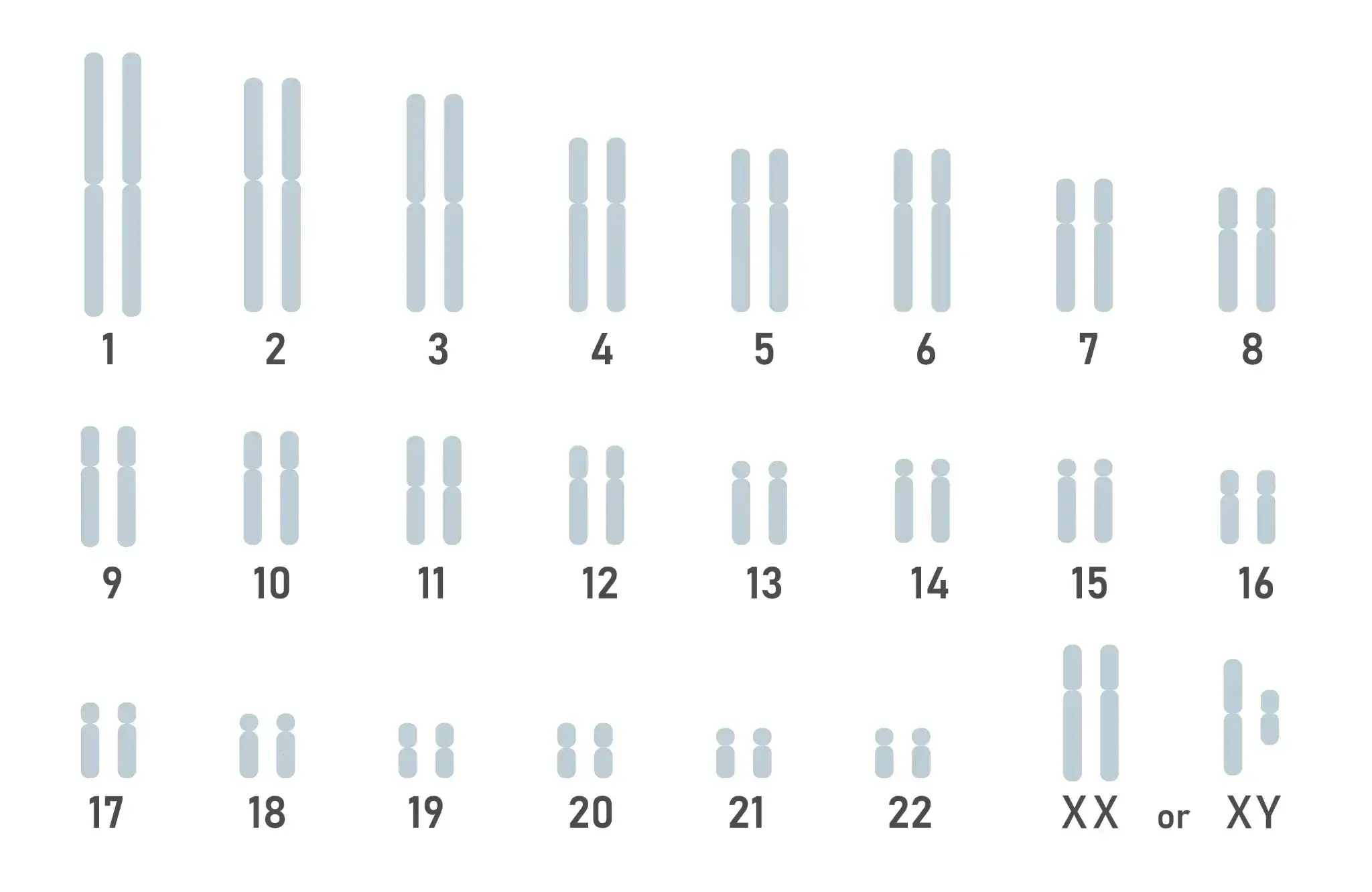
Schematic diagram of DNA map present in cells
- ■
- ■
- ■
- ■
- ■
- ■
- ■
- ■
- ■
Related genes
| Related genes | RNU6-133P |
|---|
Frequently asked questions (FAQ)
Q1. What is a neuropsychiatric disorder?
Neuropsychiatric disorders are a general term for a wide range of medical conditions that involve a combination of neurological and psychiatric symptoms.This includes disorders that affect cognitive function, emotion, and behavior, such as depression, bipolar disorder, schizophrenia, ADHD, autism spectrum disorder, and dementia.
Q2. What is the relationship between neuropsychiatric disorders and genes?
According to research by Yao et al. of Tianjin Medical University,People with the T mutation in the DNA region rs1378559 tend to have a higher risk of neuropsychiatric disordersIt turned out that there is. The prevalence of TT type among Japanese people is 44.1% and TC type is 44.5%.
Q3. What are the main symptoms of neuropsychiatric disorders?
The main symptoms areMood swings, hallucinations, delusions, anxiety, cognitive impairment, difficulty concentrating, social withdrawalIt is. These symptoms affect daily life, relationships, and work productivity.
Q4. What treatments are available for neuropsychiatric disorders?
Pharmacotherapy (antidepressants, antipsychotics, mood stabilizers), cognitive behavioral therapy (CBT), behavioral therapy, neuromodulation techniques (TMS/ECT)and so on. Comprehensive treatment through collaboration between psychiatrists, neurologists, and psychologists is important.
Q5. Can genetic testing determine the risk of neuropsychiatric disorders?
By examining the genotype of the DNA region rs1378559,Understanding genetic risk trends for neuropsychiatric disordersYou can. Approximately 88.6% of Japanese people have the T mutation genotype (TT type or TC type), which can be used for early preventive treatment.
References
- Reference link 1: 2021 Jan., Xueming Yao, Transl Psychiatry