
 Neural tube defects

- Neural tube defects (NTDs) are congenital diseases in which the neural tube does not close during embryonic development, causing abnormalities in the brain and spinal cord.The incidence is approximately 5 to 10 per 10,000 live births.
- G-type mutation in DNA region rs1805087Research shows that people with the disease tend to be at higher risk of developing
- from before pregnancyFolic acid intake (400 μg or more per day)The risk of developing the disease can be reduced by approximately 70%.
Overview < Neural tube defects (NTDs) are a type of congenital abnormality that occurs when the neural tube (the part that differentiates into the brain and spinal cord) does not close completely during embryonic development. Normally, the neural tube should close by 28 days after fertilization, but if this process goes awry, various abnormalities occur in the brain, spine, and spinal cord. The severity and characteristics of NTDs depend on the location and extent of neural tube insufficiency. One of the most common NTDs is spinal fissures. This is a condition in which the membranes surrounding the spine and spinal cord do not close properly, causing serious problems such as paralysis, difficulty in continence care, and hydrocephalus (fluid buildup in the brain). Anencephaly is also a serious NTD, as most of the brain and skull do not develop, resulting in stillbirth or death of the fetus soon after birth. Mild NTDs include encephalopathy, in which brain tissue protrudes through an opening in the skull, and occipital encephalopathy, which is characterized by severe backward bending of the neck with defects in the spine and skull. The causes of NTDs are not completely understood, but genetic, environmental, and nutritional factors are thought to be involved. In particular, folic acid deficiency before conception and during early pregnancy is thought to be the cause of the disease. NTDs can be detected by ultrasound or maternal blood tests during pregnancy, so early diagnosis and treatment are important. A study by Lirong Cao and colleagues at Tianjin Medical University revealed that the risk of neural tube defects is associated with a DNA region called rs1805087. There are three genotypes in this DNA region: AA, AG, and GG, and it was found that people with the G genotype tend to have a higher risk of neural tube defects.
What are neural tube defects (NTDs)?
Neural Tube Defects: NTDs) are a type of congenital abnormality that occurs when the neural tube (the part that differentiates into the brain and spinal cord) does not close completely during embryonic development.The neural tube should close by 28 days after fertilization, but if this process does not proceed normally, abnormalities occur in the brain, spine, and spinal cord.
The incidence of NTDs is approximately 5 to 10 per 10,000 live births, and the severity and characteristics vary depending on the location and extent of the neural tube defect. Early detection is possible through ultrasound examinations and maternal blood tests during pregnancy.
Main types and characteristics of neural tube defects
NTDs are classified into the following four types depending on the site of regurgitation failure.
| type | part | Symptoms/characteristics | severity |
|---|---|---|---|
| Spinal fissure | spine/spinal cord | Paralysis, defecation disorder, hydrocephalus | moderate to severe |
| anencephaly | brain/skull | Most of the brain and skull are underdeveloped, resulting in stillbirth or death shortly after birth. | most severe |
| brain swelling | skull | Brain tissue protrudes through an opening in the skull | Light to moderate |
| occipital encephalopathy | spine/cranium | Severe retroversion of the neck with bone defects | Light to moderate |
Causes and risk factors for neural tube defects
For the onset of NTDsGenetic factors, environmental factors, nutritional factorsThe three are involved in a complex manner.
- Nutritional factors:Folate (vitamin B9) deficiency before conception and early pregnancy is the biggest risk factor
- Genetic factors:G-type mutation in DNA region rs1805087 (near gene MTR) is associated with risk
- Environmental factors:Taking antiepileptic drugs, diabetes, obesity, and hyperthermia increase risk.
A study by Lirong Cao et al. of Tianjin Medical University (2018) revealed that abnormalities in the folate metabolic pathway in the gene MTR are deeply involved in the mechanism of NTDs development.
Preventive effect of folic acid
Ingesting at least 400 μg of folic acid per day can reduce the risk of developing neural tube defects by approximately 70%.
- The Ministry of Health, Labor and Welfare advises women planning pregnancy1 month before conception to 3 months of pregnancyRecommended folic acid intake
- Folic acid is an essential vitamin for DNA synthesis and methylation, and supports normal neural tube closure.
- Can be obtained from foods such as spinach, broccoli, liver, etc. and supplements
Diagnostic method
NTDs can be diagnosed during pregnancy by:
- Ultrasound examination (echo):Structural abnormalities in the spine and brain detected at 18 to 20 weeks of pregnancy
- Maternal serum AFP test:Evaluate the possibility of NTDs by increasing α-fetoprotein levels
- Amniocentesis:Measurement of AFP concentration in amniotic fluid for definitive diagnosis
Relationship between genes and neural tube defects
Relationship between DNA region rs1805087 and onset risk
Research by Lirong Cao and colleagues at Tianjin Medical University revealed that the DNA region rs1805087 near the gene MTR is associated with the risk of developing neural tube defects.
- There are three genotypes of rs1805087: AA, AG, and GG.
- GG type/AG type with G mutationtend to have a higher risk of neural tube defects
- Type AA is relatively low risk.
The MTR gene encodes methionine synthase, which catalyzes the conversion of homocysteine to methionine in the folate metabolic pathway. The G-type mutation of rs1805087 changes the enzyme activity,Abnormalities in folic acid metabolismis thought to inhibit DNA methylation required for neural tube closure.
Genotype distribution in Japanese (rs1805087)
| Genotype | Percentage of Japanese people | percentage of the world |
|---|---|---|
| AA type | 66.7% | 65.3% |
| AG type | 29.8% | 31.0% |
| GG type | 3.3% | 3.6% |
The prevalence of type G in Japanese people (type AG + type GG) is 33.1%, which is slightly lower than the world average of 34.6%.
Rationale for testing
Superficial DNA region: Neural tube defects
The gene region that most strongly affects neural tube defects is rs1805087. The distribution of isomorphic genotypes in Japan is as follows.
- AA
66.7 % - AG
29.8 % - GG
3.3 %
Basis for inspection
Lirong of Tianjin Medical University A study by Cao et al. revealed that the risk of neural tube defects is linked to genes. There is a region called rs1805087 in the human genome, and there are two types of mutations, A and G, in the gene in this region. It turns out that people with the G mutation tend to have a higher risk of neural tube defects. In Japan, 66.7% are type AA, 29.8% are type AG, and 3.3% are type GG, and the prevalence of type G is slightly lower than the world average.
The DNA region investigated this time
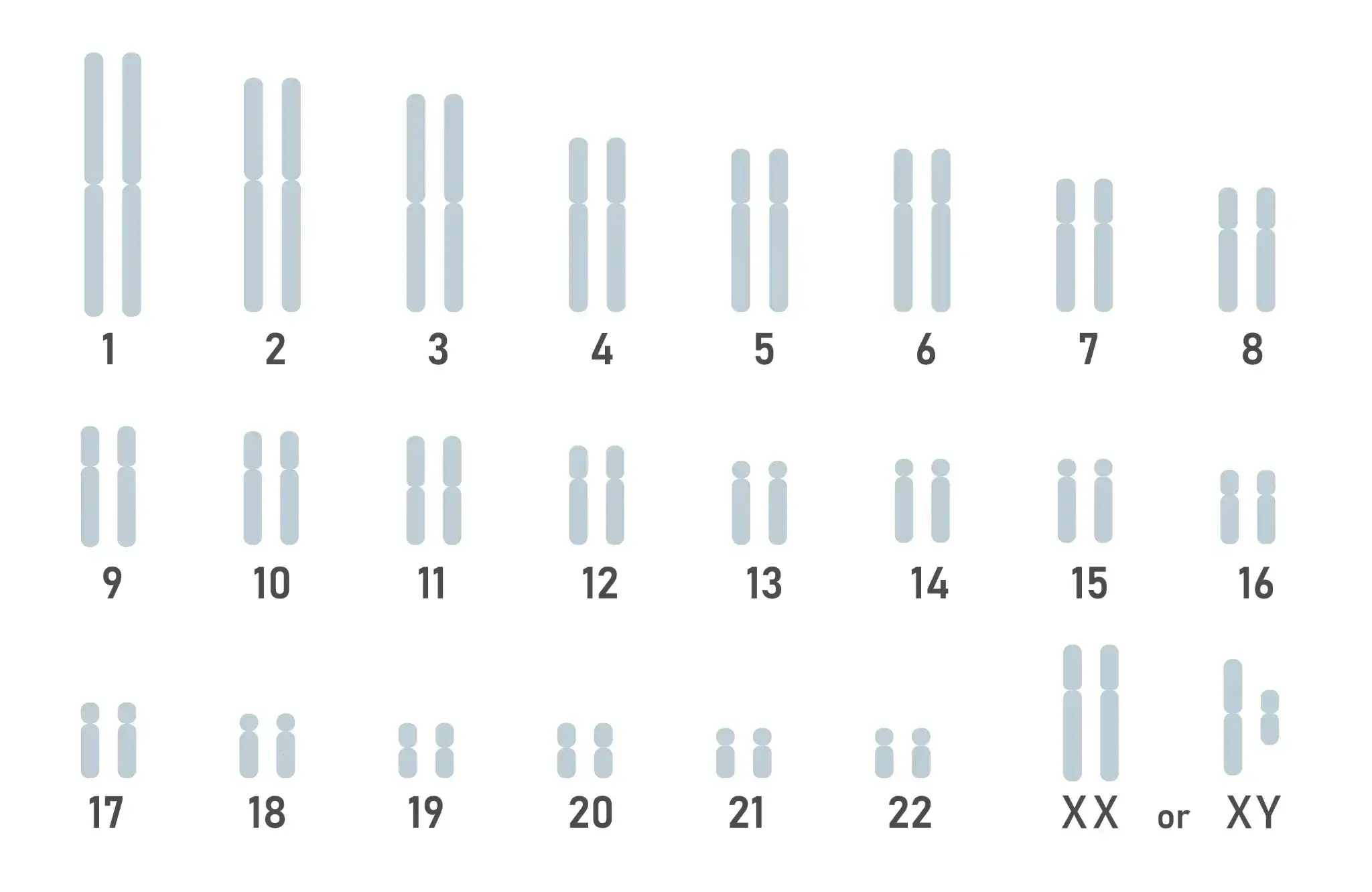
Schematic diagram of DNA map present in cells
- ■
- ■
- ■
- ■
- ■
- ■
- ■
- ■
- ■
Related genes
| Related genes | MTR |
|---|
Frequently asked questions (FAQ)
Q1. What are neural tube defects (NTDs)?
Neural tube defects (NTDs) are congenital abnormalities that occur when the neural tube (the part that differentiates into the brain and spinal cord) does not close completely during embryonic development.Failure of the neural tube to close within 28 days after fertilization causes spinal fissures, anencephaly, and brain bulging. The incidence is approximately 5 to 10 per 10,000 live births.
Q2. What is the cause of neural tube defects?
The cause isGenetic factors, environmental factors, nutritional factorsare involved in multiple ways. Lack of folic acid before conception and early pregnancy is said to be the biggest risk factor, and the G-type mutation in the DNA region rs1805087 is also involved in the onset.
Q3. Can neural tube defects be prevented?
Intake more than 400 μg of folic acid per dayBy doing so, you can reduce your risk of developing the disease by approximately 70%. The Ministry of Health, Labor and Welfare recommends that women planning pregnancy take folic acid from one month before conception to three months into pregnancy.
Q4. Can genetic testing determine the risk of neural tube defects?
By examining the genotype of the DNA region rs1805087,Understand the risk trend of developing neural tube defectsYou can. A study by Tianjin Medical University found that people with the G mutation (GG type/AG type) tend to be at higher risk.
Q5. What are the types of neural tube defects?
The main types areSpinal fissure(spine and spinal membrane insufficiency),anencephaly(the most severe form in which most of the brain and skull do not develop),brain swelling(brain tissue protrudes through an opening in the skull),occipital encephalopathy(severe neck tilt with bone defects).
References
- Reference link 1: 2018 Feb., Lirong Cao, Childs Nerv Syst