
 nephrotic syndrome

- Nephrotic syndrome is a disease in which a large amount of protein leaks into the urine due to glomerular disorder, causing edema throughout the body.In Japan, approximately 3,700 to 4,600 new cases occur each year.
- Type A mutation in DNA region rs16946160 (Risk Allele)Research shows that people with the disease tend to be at higher risk of developing
- appropriateSalt restriction, protein intake management, periodic examinationsIt is possible to reduce the risk of onset and take early measures.
Overview Nephrotic syndrome is a disease in which a waste filter called the glomerulus is damaged, resulting in large amounts of protein being excreted in the urine, lowering the protein concentration in the blood, and causing edema (swelling) throughout the body. There are two types, primary and secondary, and it is estimated that approximately 3,700 to 4,600 new patients develop the disease each year. (Reference link 1) Most diseases are multifactorial diseases caused by a combination of environmental and genetic factors, and multiple genes have been reported to be involved. According to a recent research report, it has been revealed that a certain region near the gene "GPC5" is likely to influence the risk of developing "nephrotic syndrome." If protein remains in the urine for a long period of time, kidney function may deteriorate, and as the disease progresses, fluid may easily accumulate in the lungs and heart, and dialysis or a kidney transplant may be required. Finding out your own genetic type through genetic testing and knowing your risk of developing nephrotic syndrome is expected to be useful in preventing the onset and taking early measures. 2. Rationale Research conducted by the Department of Nephrology and Endocrinology at the University of Tokyo Hospital revealed that certain types of the gene "GPC5" are more likely to develop "nephrotic syndrome." One of these regions is called the DNA region ``rs16946160,'' and there are three genotypes: ``AA type,'' ``AG type,'' and ``GG type.'' (Reference link 2) It was found that the most common genetic type among Japanese people is ``GG type'' at 68.9%, followed by ``AG type'' at 28.2%, and ``AA type'' the lowest at 2.9%. (Reference link 3) "AA type" and "AG type" who have the risk allele A tend to develop nephrotic syndrome, but this does not necessarily mean that the disease will develop, and the possibility of developing the disease increases due to a combination of environmental factors. For example, excessive intake of salt and animal protein in your diet puts a strain on your kidneys, increasing your risk of developing the disease. (Reference link 4) Therefore, it is considered desirable for people who fall under the ``AA type'' or ``AG type'' to avoid excessive intake of salt and protein. In order to reduce the risk of developing the disease, it is important to choose an appropriate environment. 3. Mechanism of action GPC5, a gene associated with the onset of nephrotic syndrome, is located on chromosome 13 of the 24 human chromosomes. This gene is present in large numbers in tissues such as the brain, liver, and kidneys, and contains genetic information for a substance called glypican-5, which is used to filter waste products from the blood in the kidneys. Regarding the onset mechanism of "GPC5" and "nephrotic syndrome," it has been suggested that overexpression of "GPC5" in kidney glomeruli activates factors that promote fibrosis. (Reference link 5) In other words, in people with the ``AA type'' genotype of the DNA region ``rs16946160,'' overexpression of ``GPC5'' promotes fibrosis in the glomerulus, making it easier for fibrotic components to clog the glomerular filter. As a result, filtration function may be impaired, and proteins that would normally not be excreted in the urine may be excreted in the urine, increasing the possibility of developing ``nephrotic syndrome.'' As mentioned above, the DNA region "rs16946160" is one of the single nucleotide polymorphisms that is attracting attention because it is deeply related to the onset of "nephrotic syndrome."
What is nephrotic syndrome?
Nephrotic syndrome is a disease in which the kidney's glomerulus (waste filtering device) is damaged, causing large amounts of protein to leak into the urine, reducing blood protein levels and causing edema (swelling) throughout the body.Approximately 3,700 to 4,600 new cases occur in Japan each year.
Classification and causes of nephrotic syndrome
Nephrotic syndrome is classified into two types:
- Primary (primary) nephrotic syndrome:If the kidney itself is the cause
- Secondary nephrotic syndrome:When caused by other diseases such as diabetes or lupus
A combination of environmental and genetic factorsmultifactorial disease, and multiple genes have been reported as related genes.
Main symptoms of nephrotic syndrome
The main symptoms are:
- whole body edema(swelling of the eyelids, legs, and abdomen)
- Foaming of urine (proteinuria)
- rapid weight gain
- Fatigue/loss of appetite
- hypercholesterolemia
Complication risk of nephrotic syndrome
Prolonged proteinuria can lead to the following complications:
- Renal function decline(If it progresses, dialysis/kidney transplantation is required)
- Water retention in the lungs and heart(Pleural effusion/pericardial effusion accumulation)
- thrombosis(due to changes in blood coagulation factors)
- Increased risk of infectious diseases(Decrease in immunoglobulin)
Difference between primary and secondary nephrotic syndrome
| Comparison items | Primary nephrotic syndrome | Secondary nephrotic syndrome |
|---|---|---|
| cause | Abnormalities of the kidney itself (minimal change type, membranous nephropathy, etc.) | Other systemic diseases (diabetes, lupus, etc.) |
| Age of onset | Children to adults | Depends on age of onset of underlying disease |
| genetic factors | Associated with GPC5 gene | Genetic predisposition to underlying disease |
| treatment | Steroids/immunosuppressants | Treatment of underlying disease is prioritized |
Lifestyle habits for prevention
The following measures are recommended for those with the type A mutation, who are at particularly high risk.
- Avoid excessive salt intake(Aim for less than 6g per day)
- Limit excessive intake of animal protein(Reducing the burden on the kidneys)
- Regular urine and blood tests
- Moderate exercise and weight management
Relationship between genes and nephrotic syndrome
Relationship between DNA region rs16946160 and onset risk
Research at the Department of Nephrology and Endocrinology, University of Tokyo Hospital revealed that the DNA region rs16946160 of the gene GPC5 is associated with the risk of developing nephrotic syndrome.
- There are three genotypes of rs16946160: AA, AG, and GG.
- AA type/AG type with Risk Allele Apeople tend to be at higher risk of nephrotic syndrome
- However, the genotype alone does not cause the disease;environmental factors(excessive intake of salt and protein, etc.) increases the risk.
Genotype distribution in Japanese (rs16946160)
| Genotype | Percentage of Japanese people | percentage of the world |
|---|---|---|
| GG type | 59.9% | 83.6% |
| GA type | 34.9% | 15.6% |
| AA type | 5.1% | 0.7% |
Japanese people have a higher rate of carrying the type A mutation than the world average.GA type 34.9%, AA type 5.1%and approximately 40% carry the risk mutation.
Mechanism of action: Why is the GPC5 gene involved in nephrotic syndrome?
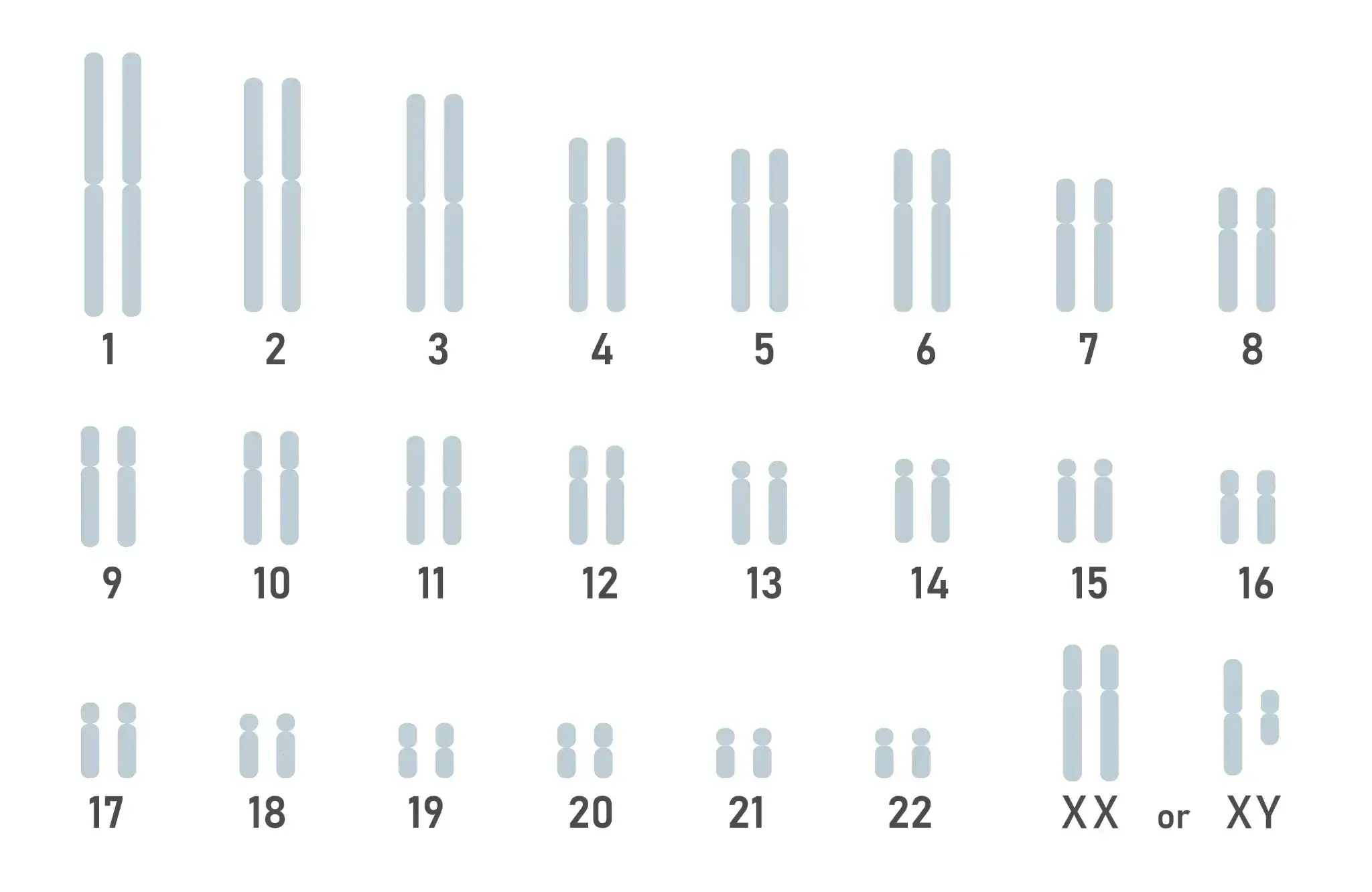
Gene GPC5 ischromosome 13located in the brain, liver, kidneys, etc."Glypican 5"It has the genetic information for a protein called
- People with type AA have GPC5overexpressedeasy to do
- By overexpression of GPC5Factors that promote fibrosis are activatedbe done
- Glomerular fibrosis progresses,Filter function failurebe done
- As a result, protein leaks into the urine, increasing the chance of developing nephrotic syndrome.
Rationale for testing
Superficial DNA region: nephrotic syndrome
The gene region that most strongly affects nephrotic syndrome is rs16946160. The distribution of isomorphic genotypes in Japan is as follows.
- GG
59.9 % - GA
34.9 % - AA
5.1 %
Basis for inspection
Research at the Department of Nephrology and Endocrinology, University of Tokyo Hospital has revealed that the risk of developing nephrotic syndrome is associated with the gene GPC5. There are two types of mutations in the rs16946160 region, A and G, and people with type A mutations (Risk Allele) tend to have a higher risk of nephrotic syndrome. Among Japanese people, the GG type is the most common at 68.9% (data in reference 3), but 28.2% of the GA type and 2.9% of the AA type, approximately 31%, carry the risk mutation.
The DNA region investigated this time
Schematic diagram of DNA map present in cells
- ■
- ■
- ■
- ■
- ■
- ■
- ■
- ■
- ■
Related genes
| Related genes | GPC5 |
|---|
Frequently asked questions (FAQ)
Q1. What is nephrotic syndrome?
Nephrotic syndrome is a disease in which the glomeruli of the kidneys are damaged, resulting in large amounts of protein leaking into the urine, reducing blood protein levels and causing edema (swelling) throughout the body.Approximately 3,700 to 4,600 new cases occur in Japan each year.
Q2. What is the cause of nephrotic syndrome?
There are two types: primary (primary) and secondary.Multifactorial disease caused by a combination of environmental and genetic factorsIt is. People with the type A mutation in the rs16946160 DNA region of the gene GPC5 tend to have a higher risk of developing the disease.
Q3. What is the relationship between nephrotic syndrome and genes?
Through research at the Department of Nephrology and Endocrinology, The University of Tokyo Hospital,DNA region rs16946160 of gene GPC5 located on chromosome 13was found to be associated with the risk of developing nephrotic syndrome. People with blood type AA or AG, who have type A (Risk Allele), tend to be at high risk.
Q4. Can genetic testing determine the risk of nephrotic syndrome?
By examining the genotype of the DNA region rs16946160,Understanding trends in the risk of developing nephrotic syndromeYou can. In Japanese, the distribution is 59.9% for type GG, 34.9% for type GA, and 5.1% for type AA.
References
- Reference link 1: Nephrotic Syndrome Treatment Guidelines Ministry of Health, Labor and Welfare, Research Project for Overcoming Intractable Diseases, Research Group on Progressive Kidney Disorders, Intractable Nephrotic Syndrome Subcommittee
- Reference link 2: 2011 Mar., Koji Okamoto, Nature Genetics.
- Reference link 3: Information on DNA region “rs16946160” NIH
- Reference link 4: 1995 Jun., M R Weir, Hypertension.
- Reference link 5: Testing method and test kit for glomerular epithelial cell disorder Patents