
 nephropathy

- Nephropathy (nephrosis) is a kidney disease in which severe proteinuria, hypoalbuminemia, edema, and hyperlipidemia occur due to glomerular damage.and, without proper treatment, there is a risk of progression to kidney failure.
- T-type mutation in DNA region rs57225762A Stanford University study found that people with this condition tend to have a higher risk of developing kidney disease.
- Early diagnosis, appropriate drug therapy, and lifestyle improvementcan be expected to reduce proteinuria and maintain renal function.
Overview Nephrosis is a kidney disease characterized by severe proteinuria, hypoalbuminemia, edema, and hyperlipidemia. This is a condition in which large amounts of protein from the blood leak into the urine due to injury or increased permeability of the glomeruli. Albumin is one of the most abundant proteins in the blood, and the loss of albumin in nephrosis causes hypoalbuminemia. The total protein concentration in the blood may also decrease. This reduces the oncotic pressure of the colloid, causing fluid to accumulate in the interstitial spaces and causing edema. Monitoring total blood protein and albumin concentrations is essential for the diagnosis and care of nephrosis. This allows us to evaluate the disease state and confirm the effectiveness of treatment. A decrease in the total protein concentration in the blood is a characteristic of nephrosis and provides important information to help determine treatment strategy. A study by Sinnott-Armstrong et al. at Stanford University revealed that the risk of developing nephropathy is associated with a DNA region called rs57225762. There are three genotypes in this DNA region: CC, CT, and TT, and it was found that people with the T genotype tend to have a higher risk of nephropathy.
What is nephropathy (nephrosis)?
Nephropathy (nephrosis) is a disease in which large amounts of protein from the blood leak into the urine due to damage to or increased permeability of the glomeruli of the kidneys.The four main characteristics are severe proteinuria (more than 3.5 g/day), hypoalbuminemia (serum albumin less than 3.0 g/dL), systemic edema, and hyperlipidemia.
Causes and mechanisms of nephropathy
Nephropathy is classified into the following two types depending on the mechanism of glomerular injury.
- Primary nephrotic syndrome:Causes in the kidney itself, such as minimal change nephrotic syndrome (MCD), focal segmental glomerulosclerosis (FSGS), and membranous nephropathy (MN)
- Secondary nephrotic syndrome:Occurs in conjunction with systemic diseases such as diabetic nephropathy, lupus nephritis, and amyloidosis.
Albumin is one of the most abundant proteins in the blood, and in nephrosis, albumin is lost in the urine, causing hypoalbuminemia. As the total protein concentration in the blood decreases, the oncotic pressure of the colloid decreases, and fluid accumulates in the interstitial spaces, causing edema.
Main symptoms of nephropathy
Symptoms of nephropathy progress in the following stages:
- Initial:Foamy urine (proteinuria), swelling of the face and legs
- Middle period:Generalized edema, weight gain, fatigue, decreased appetite
- Advanced stage:Decreased renal function, increased risk of thrombosis, and increased susceptibility to infections
Comparison of types and characteristics of nephropathy
| Comparison items | Minute change type (MCD) | Membranous nephropathy (MN) | Focal segmental glomerulosclerosis (FSGS) |
|---|---|---|---|
| Age of onset | Common in children (2 to 6 years old) | Common in adults (40-60 years old) | all ages |
| steroid responsiveness | Good (about 90% responded) | moderate | Poor (about 50% reacted) |
| Recurrence rate | High (about 60-70%) | low to medium | Medium to high |
| prognosis | Good | moderate | May be defective |
Nephropathy complications risk
If nephropathy is not managed properly, the following complications can occur:
- Thrombosis/embolism:Urinary loss of anticoagulant factor (antithrombin III) increases risk of blood clot formation by 2-3 times
- Infectious disease:Loss of immunoglobulin reduces resistance to bacterial infections
- Acute kidney injury:Decreased renal blood flow due to decreased circulating plasma volume
- Dyslipidemia:Increased risk of arteriosclerosis due to increased LDL cholesterol
Diagnostic method
A comprehensive diagnosis is made using the following tests.
- Urine test (quantification of proteinuria: 3.5g/day or more in 24-hour urine collection)
- Blood test (serum albumin・Total protein/lipid profile)
- Renal biopsy (histological evaluation of glomerular lesions)
- Ultrasound examination (evaluation of kidney size and morphology)
Treatment and countermeasures
Treatment for nephropathy is performed as follows, depending on the cause and disease type.
- Steroid therapy:Administration of prednisolone is the first choice. Effective for about 90% of patients with minimal change
- Immunosuppressants:In case of steroid resistance, use cyclosporine, tacrolimus, etc.
- ACE inhibitors/ARBs:Used to reduce proteinuria and protect the kidneys
- Diet:Salt restriction (less than 6g per day), moderate protein intake
- Edema management:Diuretic use and fluid management
Relationship between genes and nephropathy
Relationship between DNA region rs57225762 and risk of developing disease
A study by Sinnott-Armstrong et al. at Stanford University (1) revealed that the DNA region rs57225762 is associated with the risk of developing nephropathy.
- There are three genotypes of rs57225762: CC, CT, and TT.
- Genotype with T-type mutationpeople tend to be at higher risk of kidney disease
Genotype distribution in Japanese (rs57225762)
| Genotype | Percentage of Japanese people | percentage of the world |
|---|---|---|
| CC type | 42.1% | 47.9% |
| CT type | 45.5% | 42.6% |
| TT type | 12.3% | 9.4% |
Rationale for testing
Superficial DNA region: Nephropathy
The gene region that most strongly influences nephropathy is rs57225762. The distribution of isomorphic genotypes in Japan is as follows.
- CC
42.1 % - CT
45.5 % - TT
12.3 %
Basis for inspection
A study by Sinnott-Armstrong et al. at Stanford University revealed that the risk of developing nephropathy is linked to genes. There is a region called rs57225762 in the human genome, and the gene in that region has two types of mutations, C and T. It has been found that people with the T mutation tend to have an increased risk of nephropathy (1).
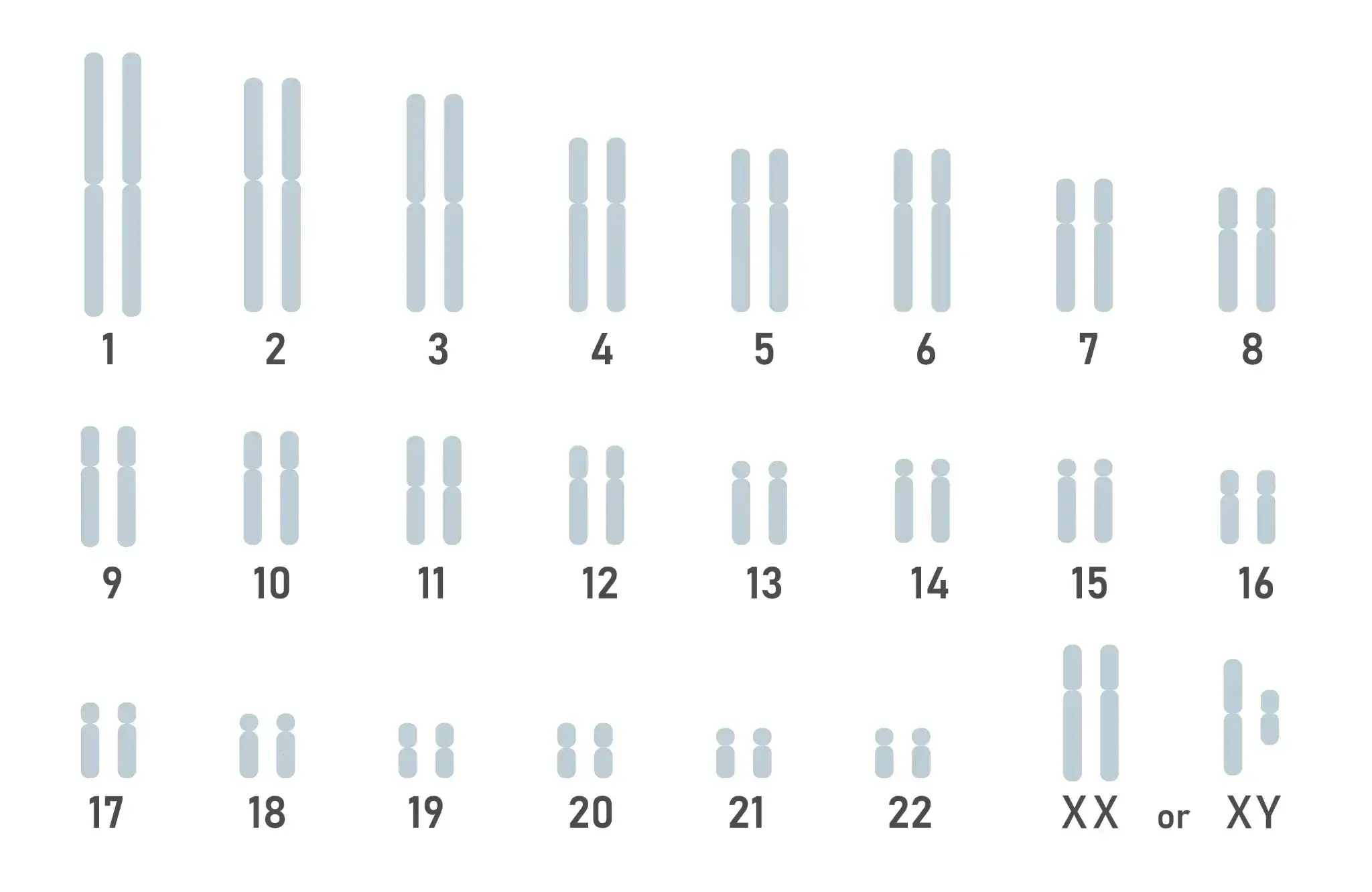
The DNA region investigated this time
Schematic diagram of DNA map present in cells
- ■
- ■
- ■
- ■
- ■
- ■
- ■
- ■
- ■
Related genes
| Related genes | COL4A1 |
|---|
Frequently asked questions (FAQ)
Q1. What is nephropathy?
Nephropathy (nephrosis) is a disease in which the glomeruli of the kidneys are damaged and large amounts of protein from the blood leak into the urine.It is characterized by four main characteristics: severe proteinuria (3.5 g or more per day), hypoalbuminemia, edema (swelling), and hyperlipidemia, and there is a risk of progression to renal failure if appropriate treatment is not performed (1).
Q2. What is the cause of nephropathy?
What is the cause of nephropathy?Glomerular injury and hyperpermeabilityIt is. It is classified into primary (minimal change type, membranous nephropathy, FSGS, etc.) and secondary (diabetic, lupus nephritis, etc.). As a genetic factor, the T-type mutation in the DNA region rs57225762 is involved in the risk (1).
Q3. What are the early symptoms of nephropathy?
The most obvious early symptoms areFoamy urine (proteinuria) and swelling of the face and legsIt is. Particularly characteristic are facial edema upon waking up in the morning and lower extremity edema in the evening. As the disease progresses, generalized edema, weight gain, and fatigue occur.
Q4. Can genetic testing determine the risk of kidney disease?
By examining the genotype of the DNA region rs57225762,Understand trends in the risk of developing nephropathyYou can. A study by Sinnott-Armstrong and colleagues at Stanford University found that people with the T mutation genotype tend to be at higher risk (1).
References
- Reference link 1: 2021 Feb., Nasa Sinnott-Armstrong, Nat Genet