
 myocardial infarction

- Myocardial infarction is a serious circulatory disease that causes necrosis of the heart muscle due to occlusion of coronary arteries.The main cause is arteriosclerosis and plaque accumulation.
- G-type mutation in DNA region rs10455872Research shows that people with the disease tend to be at higher risk of developing
- High blood pressure, high cholesterol, smoking, obesity, diabetesis a major risk factor and can be prevented by improving lifestyle habits.
Overview A myocardial infarction (MI), commonly referred to as a heart attack, is a serious medical condition in which blood flow to the heart is cut off and the heart muscle is damaged. Important points about myocardial infarction Causes Myocardial infarction is usually caused by blockage of the coronary arteries that supply blood to the heart. This blockage is caused by plaque buildup (arteriosclerosis) in the arteries and the formation of blood clots. Risk Factors High blood pressure, high cholesterol, smoking, obesity, diabetes, physical inactivity, age, and family history of heart disease increase the risk of MI. Symptoms Chest pain or discomfort (a feeling of tightness) Shortness of breath, sweating, nausea, dizziness Pain in the jaw, neck, back, or arms Diagnosis Check for symptoms and detect changes in the electrocardiogram (ECG) Blood tests to check for elevated cardiac enzymes (such as troponin) that indicate damage to the heart muscle Treatment Prompt treatment is essential to minimize damage to the heart muscle. Medications (such as aspirin, nitroglycerin, and thrombolytic agents) Procedures to restore blood flow (such as angioplasty and stent placement) Surgical interventions (such as coronary artery bypass surgery) Complications such as heart failure, arrhythmia, valve problems, and heart rupture Prevention Lifestyle changes such as a healthy diet, regular exercise, and smoking cessation Drug therapy, if needed, to care for blood pressure, cholesterol, and diabetes Understanding the causes, symptoms, and treatment methods of myocardial infarction will lead to early detection and early treatment, which will ultimately reduce the risk of complications and significantly improve the prognosis. A study by Nikpay et al. at the University of Ottawa revealed that the risk of myocardial infarction is associated with a DNA region called rs10455872. There are three genotypes in this region: AA, AG, and GG, and it was found that people with the G genotype tend to have a higher risk of myocardial infarction.
What is myocardial infarction?
Myocardial infarction (MI) is a serious cardiovascular disease in which blood flow to the heart muscle is cut off due to occlusion of a coronary artery, causing necrosis of heart muscle cells.It is commonly referred to as a "heart attack," and prompt treatment greatly influences the prognosis of life (1).
Causes and mechanisms of myocardial infarction
Myocardial infarction is caused by blockage of a coronary artery. The main mechanisms are:
- Arteriosclerosis:Cholesterol and other plaque build up on the walls of coronary arteries, narrowing the blood vessels.
- Thrombus formation:The plaque ruptures and a blood clot forms, completely blocking the coronary artery.
- Myocardial necrosis:Blood flow blockage stops oxygen supply and causes irreversible necrosis of cardiac muscle cells.
Main risk factors for myocardial infarction
The following factors increase the risk of developing myocardial infarction.
- High blood pressure:Continuous pressure on blood vessel walls promotes arteriosclerosis
- High cholesterol:Accumulation of LDL cholesterol accelerates plaque formation
- Smoking:Damage blood vessel endothelium and increase risk of blood clot formation
- Obesity/diabetes:Insulin resistance and metabolic abnormalities induce vascular damage
- Lack of exercise/aging:Deterioration of vascular function and progression of arteriosclerosis
- Family history:Increased genetic risk if you have a family history of heart disease
Main symptoms of myocardial infarction
Symptoms of myocardial infarction develop suddenly and require prompt medical attention.
- Severe pain and pressure in the chest (feeling like it's being squeezed)
- Shortness of breath, cold sweats, nausea, dizziness
- Pain radiating to the jaw, neck, back, and left arm
How to diagnose myocardial infarction
It is diagnosed by the following tests.
- Electrocardiogram (ECG):Detect characteristic changes such as ST elevation
- Blood test:Measures the increase in cardiac troponin levels
- Coronary angiography:Identify the blockage site
Differences between treatment and prevention of myocardial infarction
| Comparison items | Acute treatment | Prevention/recurrence prevention |
|---|---|---|
| purpose | Reopening occluded blood vessels and minimizing myocardial damage | Suppression of progression of arteriosclerosis and management of risk factors |
| drug therapy | Aspirin, thrombolytic agents, nitroglycerin | Antihypertensive drugs, statins, antiplatelet drugs |
| Technique | Percutaneous coronary intervention (PCI)/stent placement | Regular checkups/lifestyle improvement |
| surgical intervention | Coronary artery bypass surgery (CABG) | Preventive surgery if necessary |
Complications of myocardial infarction
Without proper treatment, the following complications may occur:
- Heart failure:Myocardial necrosis reduces the heart's pumping function
- Arrhythmia:Abnormal heart rhythm due to impaired electrical conduction in the heart muscle
- Ventricular septal perforation:A serious complication in which there is a hole in the necrotic myocardial wall.
- Mitral regurgitation:Valvular heart disease due to papillary muscle dysfunction
Relationship between genes and myocardial infarction
Relationship between DNA region rs10455872 and onset risk
A study by Nikpay et al. at the University of Ottawa (1) revealed that the DNA region rs10455872 is associated with the risk of myocardial infarction.
- There are three genotypes of rs10455872: AA, AG, and GG.
- Genotype with type G mutationpeople tend to have a higher risk of myocardial infarction
- The related genes areLPA(lipoprotein(a))
Genotype distribution in Japanese (rs10455872)
There are significant differences between the Japanese and global genotype distributions.
| Genotype | Percentage of Japanese people | percentage of the world | difference |
|---|---|---|---|
| AA type | 99.9% | 88.0% | +11.9 points |
| AG type | 0.1%以下 | 11.5% | −11.5 points |
| GG type | 0.1%以下 | 0.3% | −0.3 points |
99.9% of Japanese people are type AA.The G mutation prevalence rate is extremely low compared to the world average.
Rationale for testing
Surface DNA region: myocardial infarction
The gene region that most strongly affects myocardial infarction is rs10455872. The distribution of isomorphic genotypes in Japan is as follows.
- AA
99.9 % - AG
0.1%以下 - GG
0.1%以下
Another gene region involved in myocardial infarction is rs73354869. The distribution of isomorphic genotypes in Japan is as follows
- AA
64.4 % - AC
31.6 % - CC
3.8 %
Basis for inspection
A study by Nikpay et al. at the University of Ottawa (1) revealed that the risk of myocardial infarction is associated with genes.There is a region called rs10455872 in the human genome, and there are two types of mutations, A and G, in the gene in this region. It was found that people with the G mutation tend to have a higher risk of myocardial infarction.
The DNA region investigated this time
Schematic diagram of DNA map present in cells
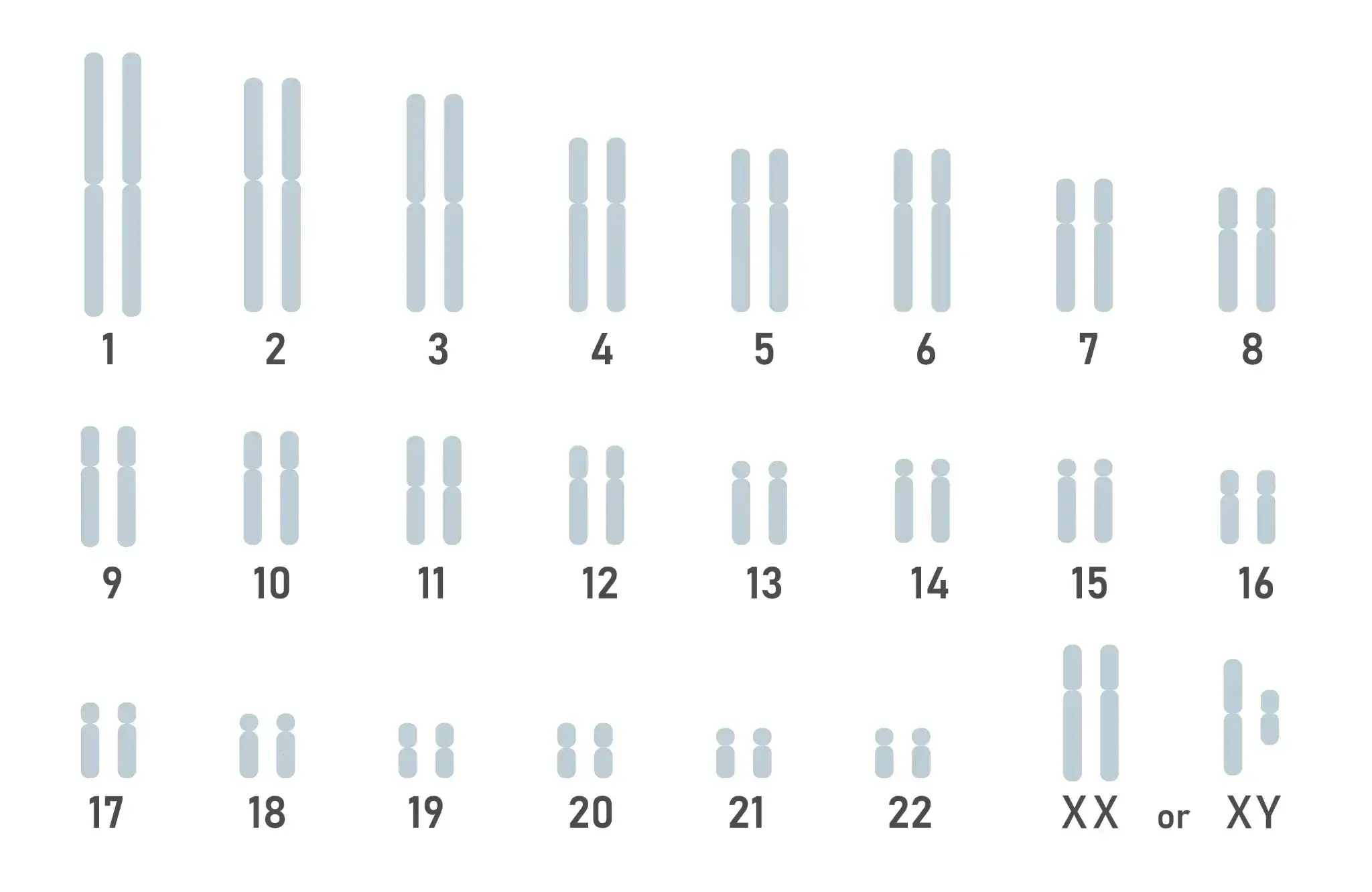
- ■
- ■
- ■
- ■
- ■
- ■
- ■
- ■
- ■
Related genes
| Related genes | LPA |
|---|---|
| Related genes | LINC00189 |
Frequently asked questions (FAQ)
Q1. What is myocardial infarction?
Myocardial infarction (MI) is a serious cardiovascular disease in which blood flow to the heart muscle is cut off due to occlusion of a coronary artery, causing necrosis of heart muscle cells.The main causes are plaque accumulation and thrombus formation due to arteriosclerosis, and prompt treatment determines life prognosis (1).
Q2. What are the main risk factors for myocardial infarction?
The main risk factors for myocardial infarction are:High blood pressure, high cholesterol, smoking, obesity, diabetes, lack of exercise, aging, family history of heart diseaseIt is. Carriers of the G mutation in the DNA region rs10455872 tend to be at increased genetic risk (1).
Q3. What genes are associated with myocardial infarction?
According to research by Nikpay et al. at the University of Ottawa,DNA region rs10455872 is associated with risk of myocardial infarctionIt turns out that it is. People with the G mutation tend to be at increased risk, and the associated gene is LPA (1).
Q4. Can a genetic test determine the risk of myocardial infarction?
By examining the genotype of the DNA region rs10455872,Understanding trends in the risk of developing myocardial infarctionYou can. The AA type accounts for 99.9% of the Japanese population, and the prevalence of the G type mutation is extremely low compared to the world average (1).
Q5. How can I prevent myocardial infarction?
To prevent myocardial infarction,Healthy eating, regular exercise, smoking cessation, blood pressure management, cholesterol managementis important. If genetic risk is high, earlier risk management is recommended (1)(2).
References
- Reference link 1: 2015 Oct., Majid Nikpay, Nat Genet
- Reference link 2: 2021 Mar., Jaana A Hartiala, Eur Heart J