
 myeloproliferative tumor

- Myeloproliferative neoplasm (MPN) is a malignant tumor disease in which blood cells overproliferate due to abnormalities in hematopoietic stem cells.It is classified into four types: polycythemia vera, essential thrombocythemia, primary myelofibrosis, and chronic myeloid leukemia.
- T-type mutation in DNA region rs1076415Research at the Fred Hutchinson Cancer Research Center reveals that people with cancer tend to have a higher risk of developing the disease
- In the early stages, there are often no symptoms, but as it progressesThrombosis/bleeding/transition to acute leukemiaThere are risks and early detection is important.
Overview Myeloproliferative neoplasm (MPN) is a type of malignant tumor disease in which blood cells such as red blood cells, white blood cells, and platelets proliferate excessively due to abnormalities in hematopoietic stem cells (cells that form blood cells). Typical MPNs include polycythemia vera (PV), essential thrombocythemia (ET), primary myelofibrosis (PMF), and chronic myeloid leukemia (CML). Many patients with MPN have no symptoms in the early stages and are often discovered only during a physical examination. However, as the disease progresses, symptoms such as dizziness, headache, visual disturbances, itchy skin, bone pain, and swelling of the spleen appear. In more severe cases, blood clots and bleeding may occur, and some patients may progress to acute leukemia. Diagnosis of MPN requires blood tests, morphological evaluation of bone marrow cells, cytogenetics, and molecular biological tests. Treatment varies depending on the type and severity of the disease and may include antiplatelet drugs, cytotoxic drugs, and molecularly targeted drugs. A study by Hu and colleagues at the Fred Hutchinson Cancer Research Center revealed that the risk of developing myeloproliferative neoplasms is associated with a DNA region called rs1076415. There are three genotypes in this DNA region: CC, CT, and TT, and it was found that people with the T genotype tend to have a higher risk of myeloproliferative neoplasms.
What is myeloproliferative neoplasm (MPN)?
Myeloproliferative neoplasm (MPN) is a malignant tumor disease in which blood cells such as red blood cells, white blood cells, and platelets proliferate excessively due to abnormalities in hematopoietic stem cells (cells that form blood cells).The estimated number of MPN patients in Japan is approximately 100,000, with an annual incidence of 2 to 3 per 100,000 (1).
Causes and mechanisms of myeloproliferative tumors
The main cause of MPN is genetic mutations in hematopoietic stem cells. The following mutations are typical.
- JAK2 V617F mutation:Present in approximately 95% of polycythemia vera and approximately 50-60% of essential thrombocythemia/primary myelofibrosis.
- CALR mutation:Detected in approximately 25-30% of JAK2-negative ET/PMFs
- MPL mutations:Present in approximately 3-5% of ET/PMF
- BCR-ABL fusion gene:Cause of chronic myeloid leukemia (Philadelphia chromosome)
These mutations permanently activate the JAK-STAT signaling pathway, leading to abnormal proliferation of blood cells.
Four types and characteristics of myeloproliferative tumors
| disease type | proliferating cells | Main features |
|---|---|---|
| Polycythemia vera (PV) | red blood cells | Increased hematocrit value, increased risk of blood clots |
| Essential thrombocythemia (ET) | platelets | Platelet count 450,000/μL or more, bleeding/thrombus risk |
| Primary myelofibrosis (PMF) | fibroblast | Bone marrow fibrosis, splenomegaly, anemia |
| Chronic myeloid leukemia (CML) | granulocytes | Marked increase in white blood cell count, BCR-ABL fusion gene positive |
Main symptoms of myeloproliferative tumor
Asymptomatic in the early stagesIn many cases, it is discovered during a blood test during a medical checkup. As the disease progresses, the following symptoms appear.
- Dizziness, headache, visual disturbance (due to increased blood viscosity)
- Itchy skin (especially worse after bathing)
- bone pain/joint pain
- Spleen swelling (fullness in the left upper abdomen)
- Fatigue, weight loss, night sweats
Complication risk for myeloproliferative neoplasms
Without proper treatment, the risk of the following complications increases:
- thrombosis(Cerebral infarction, myocardial infarction, deep vein thrombosis)
- bleeding(Gastrointestinal bleeding/subcutaneous bleeding)
- Transition to acute leukemia(about 10-20% for PMF, about 2-5% for PV)
- Progression to myelofibrosis(From PV/ET to secondary myelofibrosis)
Diagnostic method
It is diagnosed by the following tests.
- Blood test (blood cell count/blood image)
- Bone marrow biopsy (morphological evaluation of bone marrow)
- Genetic testing (JAK2, CALR, MPL, BCR-ABL mutations)
- Cytogenetic testing (evaluation of chromosomal abnormalities)
treatment method
Treatment depends on the type and severity of the disease.
- Low-dose aspirin:Basic treatment for blood clot prevention
- Bloodletting therapy:Hematocrit value control for polycythemia vera (target value less than 45%)
- Hydroxyurea:First choice drug for cytoreduction therapy
- JAK inhibitors (ruxolitinib):Molecular target drug for myelofibrosis/polycythemia vera
- Interferon alpha:Long-term treatment for young patients
- Allogeneic hematopoietic stem cell transplantation:Radical treatment of myelofibrosis (limited indications)
Relationship between genes and myeloproliferative tumors
Relationship between DNA region rs1076415 and onset risk
A study by Hu et al. (1) from the Fred Hutchinson Cancer Research Center found that the DNA region rs1076415 is associated with the risk of developing myeloproliferative neoplasms.
- There are three genotypes of rs1076415: CC, CT, and TT.
- Genotype with T-type mutationpeople tend to be at increased risk of myeloproliferative neoplasms
Genotype distribution in Japanese (rs1076415)
| Genotype | Percentage of Japanese people | percentage of the world |
|---|---|---|
| CC type | 33.2% | 36.6% |
| CT type | 48.8% | 47.7% |
| TT type | 17.8% | 15.6% |
Rationale for testing
Superficial DNA region: myeloproliferative tumor
The gene region that most strongly affects myeloproliferative neoplasms is rs1076415. The distribution of isomorphic genotypes in Japan is as follows.
- CC
33.2 % - CT
48.8 % - TT
17.8 %
Another gene region involved in myeloproliferative tumors is rs148281243. The distribution of isomorphic genotypes in Japan is as follows
- GG
50.4 % - GA
41.1 % - AA
8.3 %
Another gene region involved in myeloproliferative tumors is rs41292412. The distribution of isomorphic genotypes in Japan is as follows
- CC
99.9 % - CT
0.1%以下 - TT
0.1%以下
Another gene region involved in myeloproliferative tumors is rs374039502. The distribution of isomorphic genotypes in Japan is as follows
- TT
99.9 % - TA
0.1%以下 - AA
0.1%以下
Another gene region involved in myeloproliferative tumors is rs7126413. The distribution of isomorphic genotypes in Japan is as follows
- AA
52.7 % - AG
39.7 % - GG
7.5 %
Basis for inspection
A study by Hu and colleagues at the Fred Hutchinson Cancer Research Center revealed that the risk of developing myeloproliferative neoplasms is linked to genes. There are two types of mutations in the rs1076415 region, C and T, and people with the T mutation tend to have an increased risk of myeloproliferative neoplasms (1).
The DNA region investigated this time
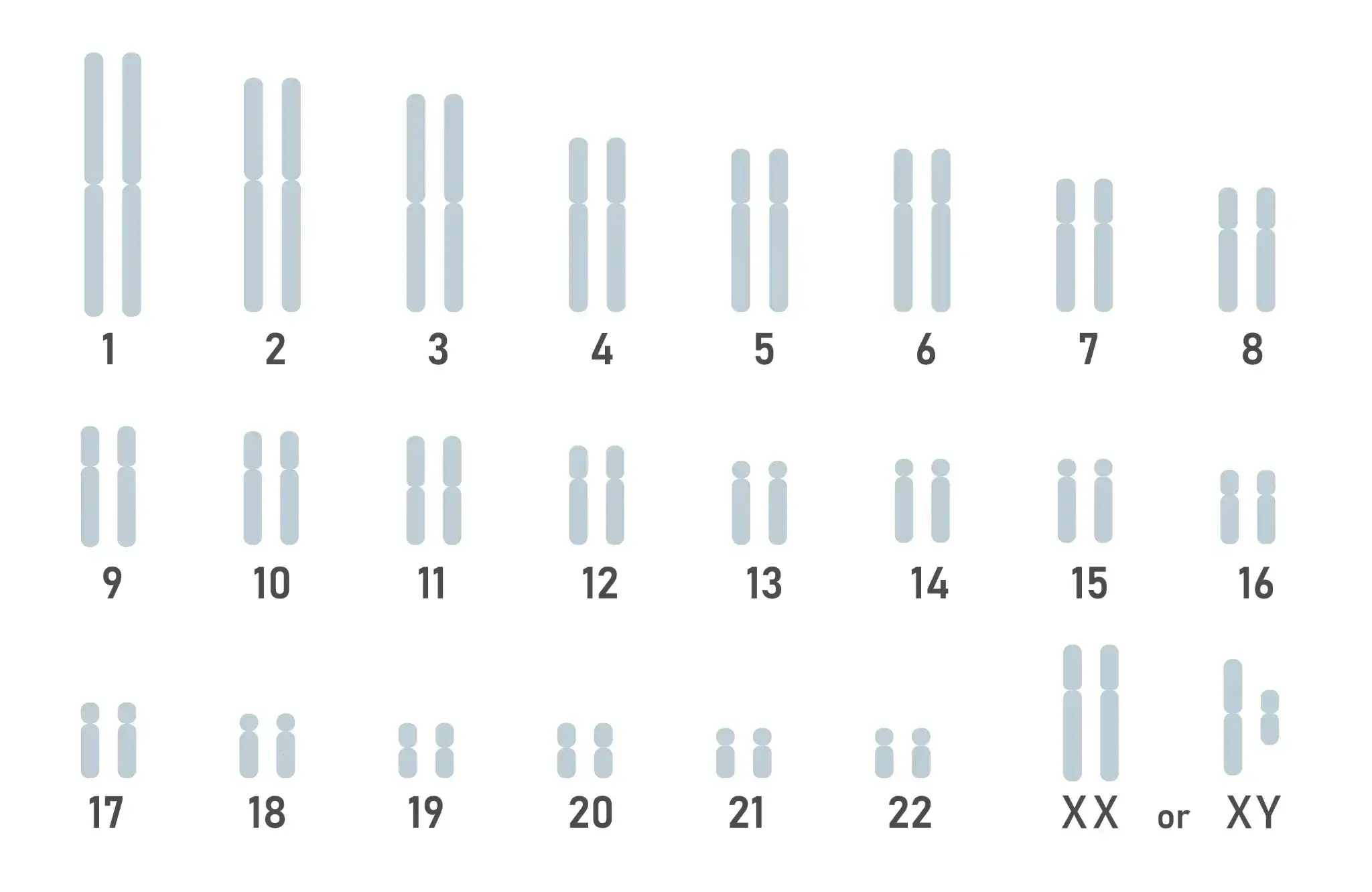
Schematic diagram of DNA map present in cells
- ■
- ■
- ■
- ■
- ■
- ■
- ■
- ■
- ■
Related genes
| Related genes | VWF |
|---|---|
| Related genes | UTP14A |
| Related genes | MIR3591 |
| Related genes | TNFSF13B |
| Related genes | ARHGEF12 |
Frequently asked questions (FAQ)
Q1. What is myeloproliferative neoplasm (MPN)?
Myeloproliferative neoplasm (MPN) is a malignant tumor disease in which red blood cells, white blood cells, and platelets proliferate excessively due to abnormalities in hematopoietic stem cells.Typical disease types include polycythemia vera (PV), essential thrombocythemia (ET), primary myelofibrosis (PMF), and chronic myeloid leukemia (CML) (1).
Q2. What is the cause of myeloproliferative tumors?
The main cause isGenetic mutations in hematopoietic stem cellsIt is. The JAK2 V617F mutation is present in approximately 95% of polycythemia vera cases. Carriers of the T mutation in the DNA region rs1076415 tend to have a higher risk of MPN (1).
Q3. What are the symptoms of myeloproliferative tumor?
Asymptomatic in the early stagesIn many cases, it is discovered during a medical examination. As the disease progresses, symptoms such as dizziness, headache, visual disturbances, itchy skin, and swelling of the spleen appear.
Q4. Can genetic testing determine the risk of myeloproliferative neoplasms?
By examining the genotype of the DNA region rs1076415,Understanding risk trends for myeloproliferative tumorsYou can. A study by the Fred Hutchinson Cancer Research Center found that people with the T mutation genotype tend to be at increased risk (1).
Q5. What is the treatment for myeloproliferative tumor?
Treatment depends on the type and severity of the disease.Low-dose aspirin (thrombo prevention), hydroxyurea (cytoreductive therapy), JAK inhibitor ruxolitinib (molecularly targeted drug)etc. are used. Phlebotomy is also a standard treatment for polycythemia vera (1).
References
- Reference link 1: 2021 Jun., Yao Hu, BMC Genomics
- Reference link 2: 2020 Sep., Dragana Vuckovic, Cell
- Reference link 3: 2020 Sep., Ming-Huei Chen, Cell