
 Musical ability (accuracy of pitch)

- Pitch recognition (pitch sense) is the ability to distinguish between high and low pitches.92% of musical talent is due to genetic factors.
- rs4148254 region of UGT8 geneaffects pitch recognition ability, and TT types tend to have a high sense of pitch.
- The prevalence of TT type among Japanese people is small at 1.2%, butEarly training for ages 3-7You can expect to improve your sense of pitch with
Overview Pitch recognition ability (pitch sense) is the ability to distinguish between pitches and timbres of sounds. People who work in music-related jobs often acquire this ability, and it is one of the most important talents in the music industry. The book ``Heredity and the Genome'' shows that 92% of musical talent is due to genetic factors. Children of people who are active as musicians and singers are said to be more likely to have similar talents due to environmental factors as well as DNA influences. In fact, research conducted at Seoul National University in South Korea revealed that the gene ``UGT8'' has a significant impact on a person's pitch recognition ability. Confirming this through genetic testing may help you decide whether to pursue a music-related job or attend a music college in the future. 2. Rationale Research at Seoul National University in South Korea has revealed that a specific type of the UGT8 gene has a significant impact on pitch recognition ability. The genetic region ``rs4148254'' that affects pitch recognition ability has three genotypes: ``TT type'', ``CT type'', and ``CC type''. People with the TT type tend to have high pitch recognition ability, people with the CT type tend to have a slightly better ability to recognize pitches, and people with the CC type tend to have poor pitch recognition ability. For Japanese people, 84.1% are CC type, 11.4% are CT type, and 4.5% are TT type. People with excellent pitch recognition ability tend to notice slight differences in pitch and are often able to reproduce musical instruments just by listening to the sound. However, even those who do not have excellent pitch recognition skills may be able to improve their pitch recognition skills through early training between the ages of 3 and 7. Finding out your genetic type through genetic testing may help you decide whether to pursue a music-related career or attend a music college in the future. 3. Mechanism of action The ``UGT8'' gene is involved in pitch recognition, and this gene is located on chromosome 4 of the 24 human chromosomes. The UGT8 gene is abundant in the central nervous system and contains genetic information for producing an enzyme that synthesizes the myelin sheath that surrounds nerves. Myelin sheaths protect nerve cells and influence how quickly nerves transmit information. When a nerve is malfunctioning, the myelin sheath is missing or malfunctioning, causing the nerve to transmit information more slowly. Sound is captured by vibrations in the eardrum, converted into nerve signals by sensory cells in the ear, and sent to the brain. The musical talent of pitch recognition is thought to be related to the speed at which information is accurately transmitted through this nerve. As mentioned above, "rs4148254" is attracting attention because it is related to the talent of pitch recognition.
What is pitch recognition ability (pitch sense)?
Pitch recognition (pitch sense) is the ability to accurately distinguish the pitch and timbre of sounds.It is an indispensable talent for people active in the music industry, and according to research on "Heredity and Genomes", 92% of musical talent is due to genetic factors.
Why pitch recognition is important
Pitch recognition ability is directly connected to musical activities in the following ways.
- Accurate pitch identification:Instantly distinguish minute differences in pitch
- Instrument reproduction ability:You can reproduce the sounds you hear on your instrument.
- Foundations of a music career:Abilities directly linked to success as a musician/singer
According to research at Seoul National University,UGT8 geneIt has been revealed that this affects people's ability to recognize pitches. By confirming this information through genetic testing, it can be used to determine future music careers and admission to music college.
Relationship between genes and pitch recognition ability
There are three genotypes in the rs4148254 region of the UGT8 gene: TT type, CT type, and CC type.
| Genotype | pitch recognition ability | Percentage of Japanese people | percentage of the world |
|---|---|---|---|
| TT type | expensive | 1.2% | 0.1% |
| CT type | somewhat expensive | 19.6% | 7.1% |
| CC type | poor tendency | 79.1% | 92.6% |
Among Japanese people, 79.1% are CC type, and only 1.2% are TT type, which has excellent pitch recognition ability. Compared to the world average, Japanese people have a slightly higher proportion of TT and CT types.
Mechanism of action of UGT8 gene
The UGT8 gene is located on chromosome 4 and contains the genetic information for an enzyme involved in the synthesis of myelin sheaths present in the central nervous system.
- Role of myelin sheath:Protects nerve cells and controls information transmission speed
- Sound transmission process:Vibration of the eardrum → converted into nerve signals by sensory cells → delivered to the brain
- Connection with musical talent:The speed and accuracy of information transmission through nerves are directly linked to pitch recognition ability.
When the myelin sheath does not function properly, the speed at which information is transmitted through the nerves decreases, affecting the accuracy of pitch recognition.
Can pitch recognition ability be improved through training?
Even if you are genetically CC type, it is possible to improve your sense of pitch through early training between the ages of 3 and 7.Auditory development during this period is significant, and appropriate music education may compensate for genetic factors.
- The optimal period for pitch training is between 3 and 7 years old.
- Knowing your type through genetic testing can help you plan an effective study plan.
- Can be used as material for deciding music-related career paths/career choices
Rationale for testing
Physical DNA domain: Musical ability (accuracy of pitch)
The gene region that most strongly influences musical ability (accuracy of pitch) is rs4148254. The distribution of isomorphic genotypes in Japan is as follows.
- CC
79.1 % - CT
19.6 % - TT
1.2 %
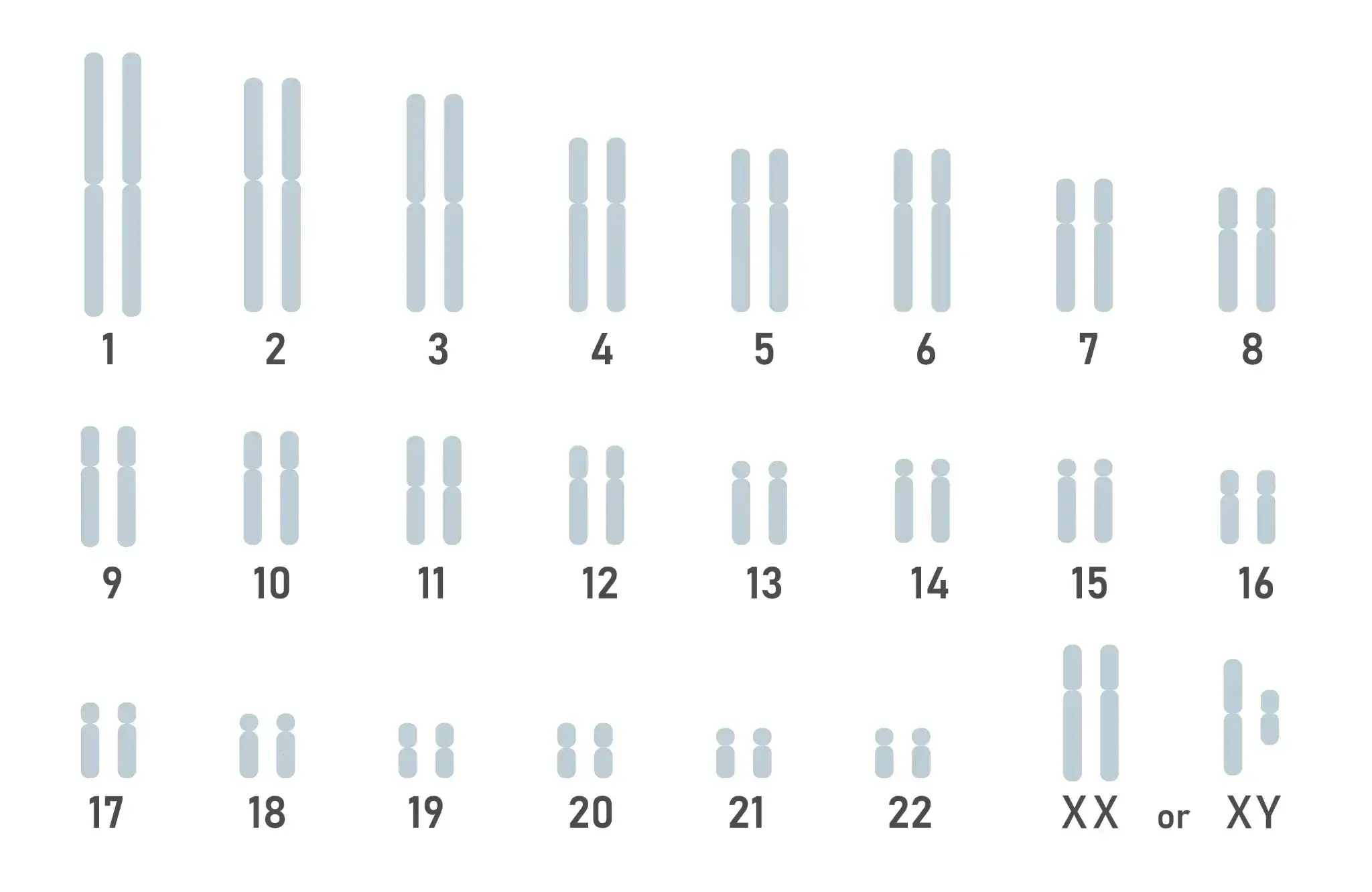
The DNA region investigated this time
Schematic diagram of DNA map present in cells
- ■
- ■
- ■
- ■
- ■
- ■
- ■
- ■
- ■
Related genes
| Related genes | UGT8 |
|---|
Frequently asked questions (FAQ)
Q1. What is pitch recognition ability (pitch sense)?
Pitch recognition (pitch sense) is the ability to accurately distinguish the pitch and timbre of sounds.92% of musical talent is due to genetic factors, and research at Seoul National University has revealed that the rs4148254 region of the UGT8 gene affects pitch recognition.
Q2. What genes are related to pitch recognition ability?
UGT8 geneis related to pitch recognition ability. This gene, located on chromosome 4, contains the genetic information for an enzyme involved in the synthesis of the myelin sheath that envelops nerves.Nerve information transmission speedaffect.
Q3. Is there a difference in pitch recognition ability depending on the genotype?
There are three genotypes in the rs4148254 region: TT type, CT type, and CC type.TT type has high pitch recognition ability., CT type tends to have a slightly higher level of pitch recognition, while CC type tends to have poor pitch recognition ability. In Japanese, 79.1% are CC type, 19.6% are CT type, and 1.2% are TT type.
Q4. Can pitch recognition ability be improved through training?
Even if you are genetically CC type,Early training from 3 to 7 years oldIt is said that it is possible to train one's sense of pitch. It is effective to understand your type through genetic testing and start training at the appropriate time.
Q5. What is the relationship between pitch and genetics?
According to research in "Heredity and Genomes",92% of musical talent is due to genetic factorsI will. The reason children of musicians are more likely to have similar talents is due to environmental factors as well as DNA influences.
References
- Reference link 1: 2012 Nov., Hansoo Park , J Med Genet.
- Reference link 2: Information on DNA region “rs4148254” NIH
- Reference link 3: Information on gene "UGT8" GeneCards
- Reference link 4: 2012 Dec., Hansoo Park, J Med Genet