
 Mortality rate in prostate cancer

- Prostate cancer mortality rate is determined by Gleason score, PSA level, and presence or absence of metastasis.The survival rate can reach approximately 99% if detected early.
- G-type mutation in DNA region rs723557Study finds that men with 20% of men tend to have higher mortality rates from prostate cancer
- regularPSA test and rectal examinationEarly detection and personalized treatment strategies are key to reducing mortality.
Overview The prostate cancer mortality rate indicates the probability that prostate cancer will directly cause death. The mortality rate for prostate cancer largely depends on factors such as the aggressiveness of the cancer and the condition at the time of diagnosis. It also increases if the Gleason score, which evaluates the malignancy of cancer, or prostate-specific antigen (PSA) values are high, or if there is metastasis to bones or lymph nodes. Prostate cancer has various degrees of malignancy, ranging from gradual progression to death within a few years. Treatment strategies vary from surgery and radiation therapy to hormone therapy and chemotherapy. The effectiveness of these treatments also depends on the timing of diagnosis, individual health, and genetic predisposition. With the development of new therapeutic drugs and strategies, it has become possible to select appropriate treatments according to individual circumstances. Still, prostate cancer is a major cause of death for older men and men who have a family history of the disease, so early detection through regular checkups and an appropriate treatment plan are important. A study by Szulkin and colleagues at the Karolinska Institute revealed that mortality in prostate cancer is associated with a DNA region called rs723557. There are three genotypes in this DNA region: TT, TG, and GG, and it has been found that people with the G genotype tend to have a higher mortality rate from prostate cancer.
What is the mortality rate of prostate cancer?
The prostate cancer mortality rate is an index that indicates the probability that prostate cancer will be a direct cause of death.Prostate cancer is one of the most common cancers in men, and the mortality rate greatly depends on the malignancy of the cancer and the stage at the time of diagnosis.
What factors affect prostate cancer mortality?
There are multiple factors that determine prostate cancer mortality. The following are the main prognostic factors:
- Gleason score:Evaluate the malignancy of cancer cells on a scale of 6 to 10. Score 8 or higher is high risk
- PSA value:Blood concentration of prostate-specific antigen. Increased risk of death at 20ng/mL or higher
- Presence of metastasis:Metastasis to bones and lymph nodes significantly increases mortality rate
- Stage at diagnosis:Poor prognosis in stage IV (advanced stage)
- Age:Both morbidity and mortality rates increase for people aged 75 and over
- Genetic predisposition:Family history and mutations in the DNA region rs723557 are involved.
Differences in survival rates by stage of prostate cancer
| Comparison items | Localized (stage I-II) | Locally advanced (stage III) | Metastasis present (stage IV) |
|---|---|---|---|
| 5 year relative survival rate | Approximately 99% | Approximately 99% | Approximately 30% |
| treatment method | Surgery/radiotherapy/surveillance therapy | Radiation therapy + hormone therapy | Hormone therapy/chemotherapy |
| Metastasis risk | low | medium | Bone/lymph node metastasis |
Treatment strategies for prostate cancer
Treatment for prostate cancer is selected depending on the stage of the cancer and the patient's general condition.
- Surgery (radical prostatectomy):Radical treatment for localized cancer
- Radiotherapy:Local treatment with external beam radiation or brachytherapy
- Hormone therapy (androgen deprivation therapy):Applicable to advanced cancer and recurrent cancer
- Chemotherapy:Used for metastatic cancer resistant to hormone therapy
- Surveillance therapy (active surveillance):Follow-up for low-risk cancer
The importance of early detection
Prostate cancer has a 5-year relative survival rate of approximately 99% if detected early.Regular PSA tests and rectal examinations are the key to early detection. Annual check-ups are recommended for men over 50 years of age (and over 40 years of age if there is a family history).
Association between genes and prostate cancer mortality rate
Relationship between DNA region rs723557 and mortality risk
A study by Szulkin et al. at Karolinska Institutet (1) revealed that the DNA region rs723557 is associated with mortality in prostate cancer.
- There are three genotypes of rs723557: TT, TG, and GG.
- Genotype with type G mutationmen tend to have higher mortality rates from prostate cancer
Genotype distribution in Japanese (rs723557)
| Genotype | Percentage of Japanese people | percentage of the world |
|---|---|---|
| TT type | 96.0% | 84.3% |
| TG type | 3.8% | 14.9% |
| GG type | 0.1%以下 | 0.6% |
Rationale for testing
Superficial DNA region: Mortality rate in prostate cancer
The gene region that most strongly influences mortality in prostate cancer is rs723557. The distribution of isomorphic genotypes in Japan is as follows.
- TT
96.0 % - TG
3.8 % - GG
0.1%以下
Basis for inspection
A study by Szulkin and colleagues at the Karolinska Institute revealed that mortality in prostate cancer is linked to genes. There are two types of mutations in the rs723557 region, T and G, and people with the G mutation tend to have a higher mortality rate from prostate cancer (1).
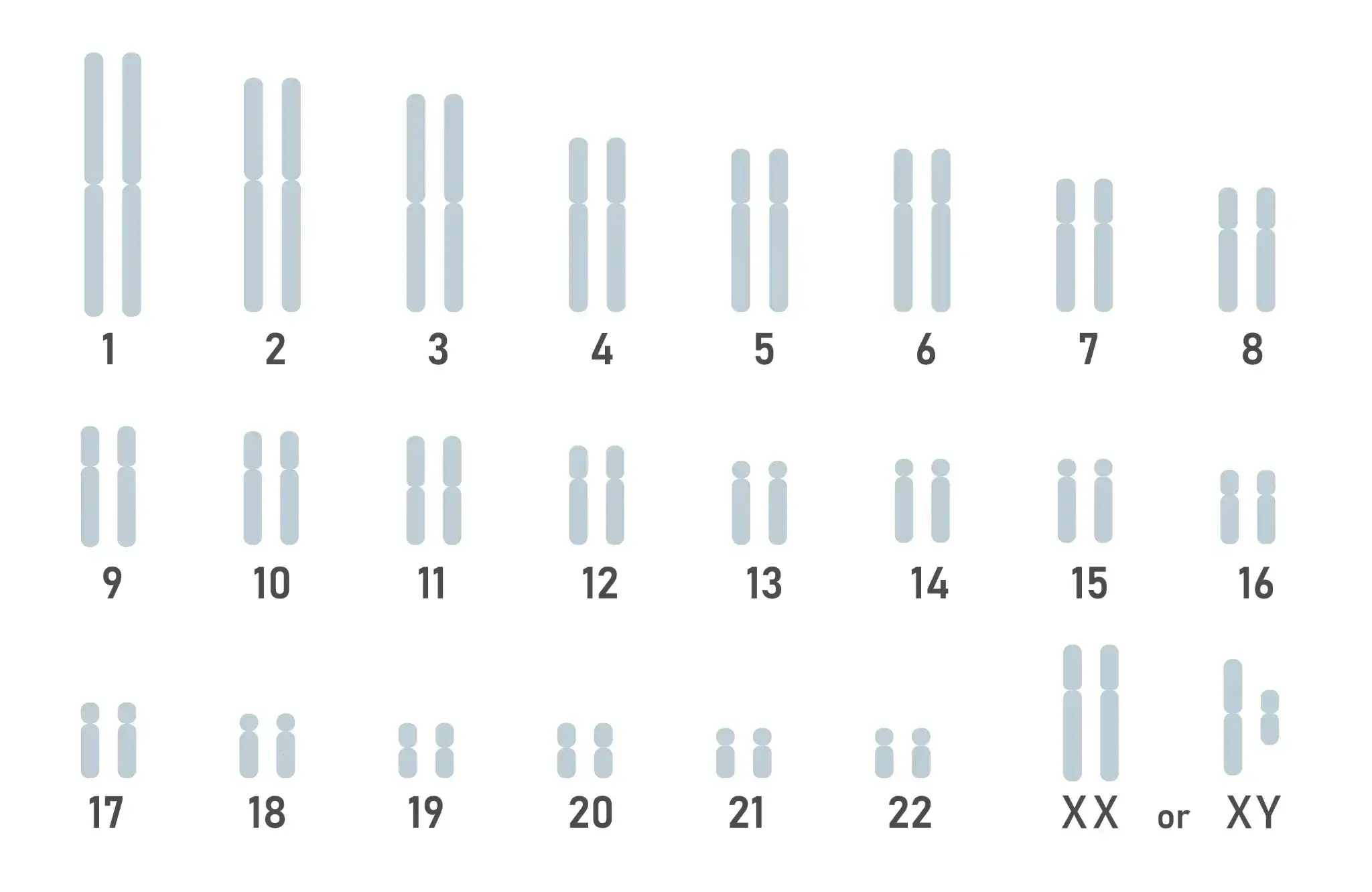
The DNA region investigated this time
Schematic diagram of DNA map present in cells
- ■
- ■
- ■
- ■
- ■
- ■
- ■
- ■
- ■
Related genes
| Related genes | PNPLA10P |
|---|
Frequently asked questions (FAQ)
Q1. What is the mortality rate of prostate cancer?
The prostate cancer mortality rate is an index that indicates the probability that prostate cancer will be a direct cause of death.It varies greatly depending on the malignancy of the cancer (Gleason score), PSA level, presence or absence of metastasis, and stage at diagnosis (1).
Q2. What factors affect the mortality rate of prostate cancer?
The main factors areGleason score, PSA level, presence or absence of metastasis to bones or lymph nodes, stage at diagnosis, age, genetic predispositionIt is. People with the G mutation in the DNA region rs723557 tend to have a higher mortality rate (1).
Q3. Can a genetic test for prostate cancer determine the risk of death?
By examining the genotype of the DNA region rs723557,Understand trends in mortality risk in prostate cancerYou can. A study by the Karolinska Institutet has shown that people with the G mutation genotype tend to have a higher mortality rate (1).
Q4. Why is early detection of prostate cancer important?
Prostate cancer has a 5-year relative survival rate of approximately 99% if detected early.On the other hand, if there is metastasis, the rate decreases to about 30%, so annual PSA testing and rectal examination are recommended for men over 50.
References
- Reference link 1: 2015 Nov., Robert Szulkin, Cancer Epidemiol Biomarkers Prev