
 cognitive impairment

- Mild cognitive impairment (MCI) is a condition in which memory, thinking ability, and attention are mildly impaired.This may be a precursor to dementia such as Alzheimer's disease.
- G-type mutation in DNA region rs1805087A study at Xinjiang Medical University found that people with the disease tend to have a higher risk of developing the disease.
- appropriateExercise, dietary management, intellectual activities, social interactionIt is possible to reduce the risk of progression to dementia.
Overview Mild cognitive impairment (MCI) is a condition in which cognitive function deteriorates mildly, and although it does not significantly affect daily life, it indicates a problem with cognitive function. MCI can be a precursor to Alzheimer's disease and other dementias, but not all MCI progresses to dementia. The main symptoms include a mild decline in memory, thinking ability, and attention. For example, you may forget recent events or misplace things more often. However, these symptoms are mild and do not significantly interfere with daily life. MCI is thought to be caused by aging, chronic illness, cardiovascular disease, lack of exercise, unhealthy diet, and genetic factors. A study by Luo et al. of Xinjiang Medical University revealed that the risk of developing cognitive impairment is associated with a DNA region called rs1805087. There are three genotypes in this DNA region: AA, AG, and GG, and it was found that people with the G genotype tend to have a higher risk of cognitive impairment.
What is Cognitive Impairment (MCI)?
Mild Cognitive Impairment (MCI) is a condition in which cognitive function slightly declines beyond normal age-related changes.Although it does not significantly interfere with daily life, it indicates a problem with cognitive function (1).
Causes and mechanisms of cognitive impairment
Multiple factors are involved in the development of MCI.
- Aging:As we age, the number of neurons in the brain decreases and synaptic connections weaken.
- Chronic disease:Diabetes, hypertension, dyslipidemia, etc. affect cerebral blood vessels.
- Cardiovascular disease:Reduced blood flow to the brain promotes decline in cognitive function
- Lifestyle:Lack of exercise and unhealthy eating habits increase risk
- Genetic factors:G-type mutation in DNA region rs1805087 is associated with risk
Main symptoms of cognitive impairment
Symptoms of MCI areprogress slowlyTherefore, there are cases where it is difficult for the person or those around them to notice.
- Easily forget recent events (deterioration of memory)
- Misplacing things more often
- Mild decline in thinking and judgment abilities
- Decreased attention and concentration
- Difficulty speaking words (difficulty recalling vocabulary)
Difference between mild cognitive impairment (MCI) and dementia
| Comparison items | Mild cognitive impairment (MCI) | dementia |
|---|---|---|
| Degree of decline in cognitive function | Mild (above normal range) | Severe (interfering with daily life) |
| daily life | Possible to live independently | need assistance |
| progress | May progress to dementia | progress irreversibly |
| subjective symptoms | Often recognized by the person himself/herself | lack of awareness |
| genetic factors | rs1805087 G-type mutation is involved | Multiple genes involved |
Prevention and countermeasures for cognitive impairment
MCI isEarly detection/early interventionIt is possible to delay the progression to dementia.
- Regular aerobic exercise:Improving cerebral blood flow through walking, swimming, and cycling
- Balanced diet:A Mediterranean diet (mainly fish, vegetables, and olive oil) is recommended.
- Continuation of intellectual activities:Promote brain activation through reading, puzzles, and language learning
- Maintaining social interaction:Prevent isolation and stimulate your brain through communication
- Managing cardiovascular risk:Appropriate management of blood pressure, blood sugar, and cholesterol
Main influencing factors
The risk of developing cognitive impairment varies greatly between individuals and is influenced by the following factors.
- Genetic factors (genotype of DNA region rs1805087)
- Age (risk increases as you get older)
- Presence of cardiovascular disease
- Lifestyle (exercise, diet, sleep)
- Educational background/degree of intellectual activity
The relationship between genes and cognitive disorders
Relationship between DNA region rs1805087 and onset risk
A study by Luo et al. from Xinjiang Medical University (1) revealed that the DNA region rs1805087 is associated with the risk of developing cognitive impairment.
- There are three genotypes of rs1805087: AA, AG, and GG.
- Genotype with type G mutation(GG type/AG type) people tend to have a higher risk of cognitive impairment
Genotype distribution in Japanese (rs1805087)
| Genotype | Percentage of Japanese people | percentage of the world |
|---|---|---|
| AA type | 66.7% | 65.3% |
| AG type | 29.8% | 31.0% |
| GG type | 3.3% | 3.6% |
Rationale for testing
External DNA region: Cognitive impairment
The gene region most strongly associated with cognitive impairment is rs1805087. The distribution of isomorphic genotypes in Japan is as follows.
- AA
66.7 % - AG
29.8 % - GG
3.3 %
Basis for inspection
A study by Luo et al. from Xinjiang Medical University revealed that the risk of developing cognitive impairment is linked to genes. There is a region called rs1805087 in the human genome, and there are two types of mutations, A and G, in the gene in this region. It was found that people with the G-type mutation tend to have a higher risk of cognitive impairment.
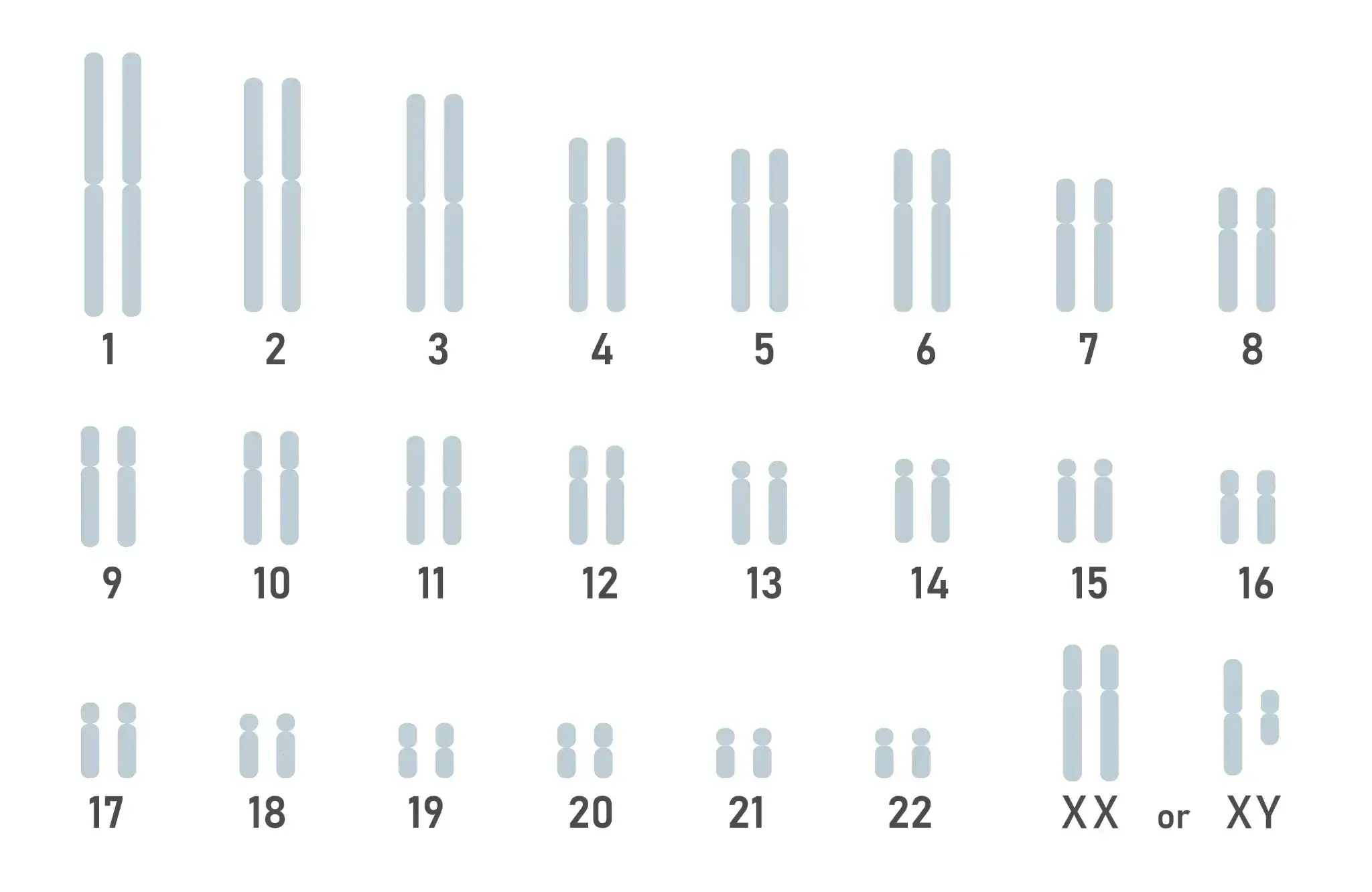
The DNA region investigated this time
Schematic diagram of DNA map present in cells
- ■
- ■
- ■
- ■
- ■
- ■
- ■
- ■
- ■
Related genes
| Related genes | MTR |
|---|
Frequently asked questions (FAQ)
Q1. What is Mild Cognitive Impairment (MCI)?
Mild cognitive impairment (MCI) is a condition in which memory, thinking ability, and attention deteriorate slightly beyond normal age-related changes.Although it does not significantly interfere with daily life, it may be a precursor to Alzheimer's disease or other dementias (1).
Q2. What is the cause of cognitive impairment?
The main cause isAging, chronic disease, cardiovascular disease, lack of exercise, unhealthy diet, genetic factorsIt is. A study by Luo et al. of Xinjiang Medical University found that people with the G-type mutation in the DNA region rs1805087 tend to be at higher risk (1).
Q3. Can genetic testing determine the risk of cognitive impairment?
By examining the genotype of the DNA region rs1805087,Understand trends in the risk of developing cognitive impairmentYou can. Studies have shown that people with the G mutation genotype (GG and AG) tend to be at higher risk (1).
Q4. Is there a way to prevent cognitive impairment?
Regular aerobic exercise, a balanced diet (Mediterranean diet), staying intellectually active, maintaining social interactions, and managing cardiovascular risk.is valid. By taking measures early, you can reduce the risk of progression to dementia.
Q5. What is the difference between mild cognitive impairment and dementia?
MCI isA state in which cognitive function is mildly decreasedI am able to live independently in my daily life. Dementia is a condition in which cognitive function deteriorates severely, interfering with daily life. Not all MCI progresses to dementia.
References
- Reference link 1: 2015 Jan., Mei Luo, Med Sci Monit